Costs
Part of Gas station preservation: how the process works
Gas station preservation costs: transport, stays and tickets
This is the cheapest roadside subject to travel for, because almost everything is free to look at. The cost is getting to the corridor at all.
What to take away
- Almost nothing here charges admission. Your budget is transport and beds, and that is the whole of it.
- Flying to the start of a corridor and renting a car frequently beats driving for two days to reach it.
- Decide the fuel question early if the car is electric, because state rules and incentives vary.
- Spend the saved admission money on a longer trip rather than a better hotel.
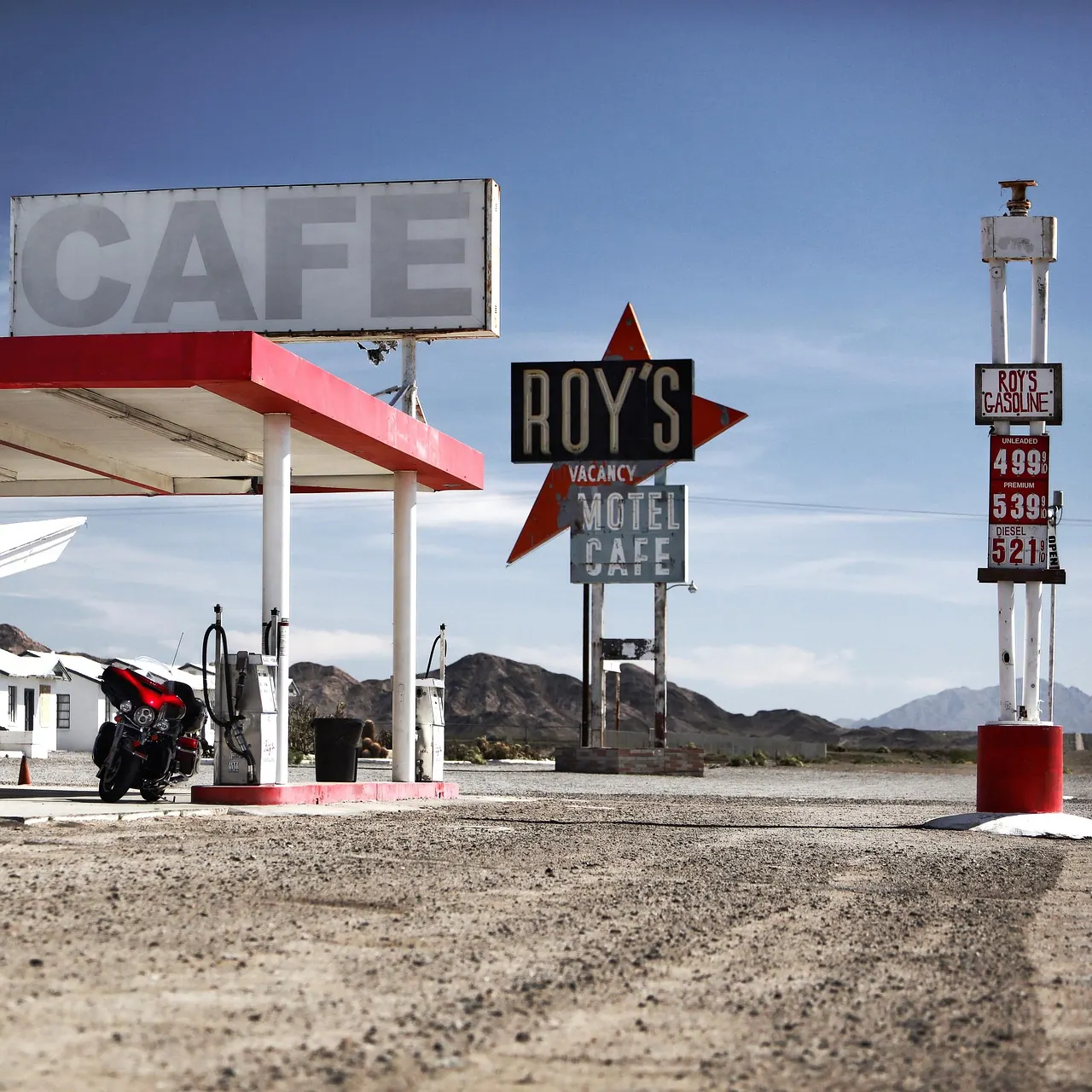
Filling stations are roadside architecture at its most democratic. They stand on public roads, they are visible from the pavement, and nobody charges to look. Compared with a trip built around museums or guided tours, the budget is almost entirely logistics.
That makes the planning question different: not what can we afford to see, but how do we get to the right stretch of road cheaply.
Getting to the corridor
The honest comparison is fly and rent against drive from home.
Two days of driving to reach a corridor costs two nights, two tanks and four days of the trip. A flight plus a rental frequently costs less overall and returns the days. Run both numbers before assuming the drive is cheaper.
If you do fly, budget the airport time realistically. The Transportation Security Administration's security screening pages set out what the process involves and what can travel in which bag, which matters more than usual when you are carrying camera equipment and a tripod.
The vehicle question
For a petrol car this is simply fuel and mileage. For an electric one it is worth ten minutes of research before booking, because the rules and support differ by state.
The Department of Energy's laws and incentives database lists state by state what applies to alternative fuel vehicles, including charging provision and the various fees and incentives. On a trip that crosses three states it is genuinely useful, and it is the sort of thing nobody checks until they are annoyed.
What you will actually spend
| Line | Typical weight |
|---|---|
| Transport to the corridor | Largest single line |
| Vehicle for the days on the road | Second largest |
| Accommodation | Two or three nights, on the route |
| Food | Ordinary, and better spent at the stations still trading |
| Admissions | Near zero. Occasional museum or donation |
| Contingency | Ten percent, mostly for detours |
Where the money is well spent
An extra day rather than a better room. Nights on this kind of trip are for sleeping.
Buying things at the stations that still trade. A coffee at an adapted station is both research and support, and it buys you a conversation.
A guide, where one exists. Rare for this subject and worth taking when it appears.
Where it is wasted
Long drives to a single famous example. One photogenic station in isolation is worth much less than six ordinary ones on the same twenty miles, and the six cost you nothing extra.
Also wasted: staying at an interstate junction to save on the room. You then drive past the buildings you came for, twice a day.
A worked shape
Two people, four days, flights or a long first drive, a rental for three days, three nights on the corridor, ordinary food, no admissions, ten percent contingency. The transport half will be most of the total, which tells you where to optimize.
What to bring once you are there is in the packing list, and what you are actually looking at is worth reading before the first stop rather than after the fifth.
Common questions
Are there paid tours of filling stations? Rarely as such. They usually appear inside broader corridor tours, which is a good reason to look at those.
Is it cheaper off season? Accommodation, yes. Everything else is the same, and the sites are outdoors and open all year.
Should we rent something bigger? No. A small car parks in awkward places, which is exactly what this trip involves.
What is the most common overspend? Distance. People plan a route that looks reasonable on a map and spend the budget on getting between towns.