Guides
Part of Gas Station Preservation: How It Works
Gas station preservation packing list: 6 essentials
A gas station preservation packing list with six essentials to photograph roadside stations safely: lenses, boots, water, sun protection, and field notes.
The six essentials
The six essentials
- A long lens is the most important item, because the good detail is on the other side of a fence.
- A wide lens to record the whole site.
- Wear proper boots. Broken forecourt concrete, glass and rebar are the standard surface.
- Two liters of water per person.
- A hat and sunscreen for sun protection; shade itself is not something you can pack.
- Notebook and pencil, because these sites raise more questions than answers.
Filling stations are the roadside subject most likely to be visited badly. They sit derelict, they look empty, the door is often open, and photographs of the inside are all over the internet.
This gas station preservation packing list makes the good version of the trip easy and the bad version unnecessary.
The lens matters more than usual
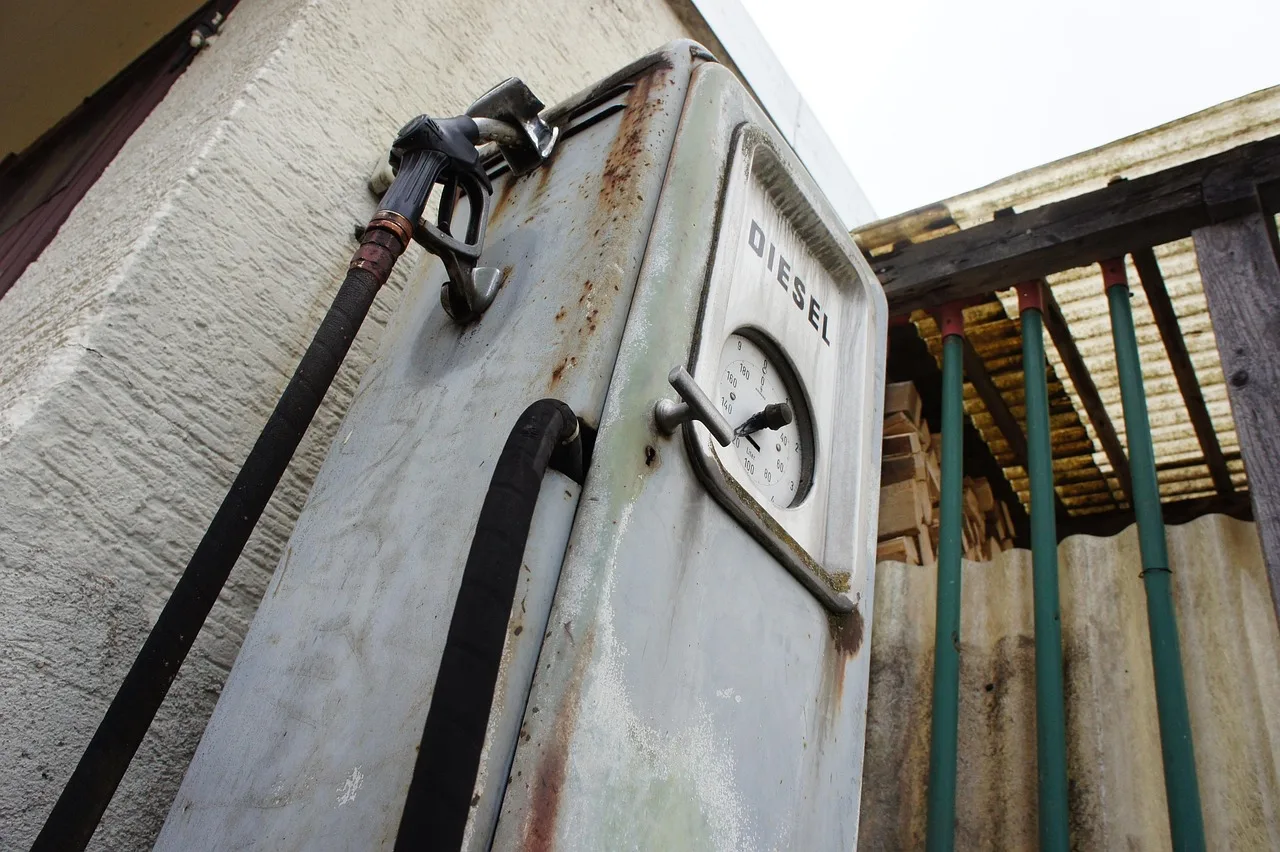
Most of what is worth recording at a closed station is behind a fence: the canopy soffit, the porcelain panel joints, the pump islands, the maker's marks.
Bring something with reach. A moderate telephoto turns a frustrating site into a productive one and removes any reason to climb anything.
Pair the long lens with a wide one for the whole site; both lenses are among the six essentials.
Footwear and clothing
The ground is the hazard. Cracked slab, gravel, glass, rebar, curbs at odd heights, and vegetation growing through all of it.
Boots with a stiff sole and ankle support, long trousers, gloves in the bag. Bright clothing if you will be near traffic, and none of it is a substitute for standing somewhere sensible.
Why you stay outside
This is worth being blunt about. Closed filling stations are not the same as other empty buildings, because the site can contain tank vaults, sumps, dispenser pits and voids that are not obvious under debris.
For workplace entry, OSHA's Permit-Required Confined Spaces standard (29 CFR 1910.146) sets safeguards for hazardous spaces. The agency's confined spaces material explains why restricted entry and exit, and atmospheres that can be dangerous without warning, demand specialist care.
The same body's respiratory protection requirements, under OSHA's Respiratory Protection standard (29 CFR 1910.134), explain why proper equipment is a fitted, trained and tested system rather than a dust mask from a hardware shop. If a site genuinely needs that, it needs someone else.
So the rule is simple: photograph from public ground, or with the owner's permission and their supervision. Never alone, never through a gap in a fence. Do not enter a closed station, and never go near an open pit or vault on one.
Optional extras
These are useful additions, not part of the six essentials:
- Offline maps, since many are on stretches with no signal.
- A rubbish bag. Taking a bag of litter off a site you photographed is good manners.
- Cash, for buying something at the station that is still open down the road.
What to leave behind
Anything that encourages entry: torches, bolt cutters, a ladder, a step stool. If the frame needs one of those, it is not your frame.
Also leave the drone. Fenced industrial sites and low-flying aircraft are a bad combination for permissions and for goodwill.
Before you set out
Check which sites are operating businesses, which are adapted to a new use, and which are closed. Operating and adapted ones are the productive stops, and they involve buying a coffee and asking politely rather than standing in a weeded lot.
What that adaptation involves is set out in how the preservation process works, and the pacing that suits this subject applies here too, since the best stops are places where somebody will talk to you.
The Society for Commercial Archeology documents and advocates for commercial architecture, including roadside places. Your State Historic Preservation Office can help you check survey records and whether a site is listed in the National Register of Historic Places. In Shamrock, Texas, the restored U-Drop Inn and Tower Station—a former Conoco station and cafe now serving as the Shamrock Visitor Information Center—shows how a filling station can be adapted for reuse.