Guides
Part of How to Research Roadside Building Case Studies
Roadside building case studies booking: what to ask
Roadside building case studies booking starts with the site: ask the Neon Museum about La Concha Motel and confirm access, timing, fees and weather plans.
What to take away
- The owner being present is the single biggest variable in what you get out of a visit.
- Ask what stage the work is at now, not what stage it was at when the listing was written.
- Have a weather plan. Site visits are canceled by conditions far more often than by anything else.
- Interior work continues when exterior work stops, so a wet day is not automatically a lost day.
Roadside building case studies booking may be arranged directly with a property or through a scheduled tour. Before you agree on a date, confirm who is hosting, what parts of the site you can see, and what the visit covers.
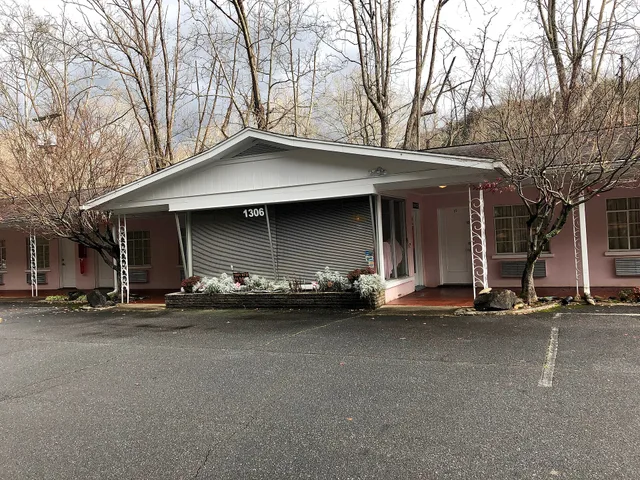
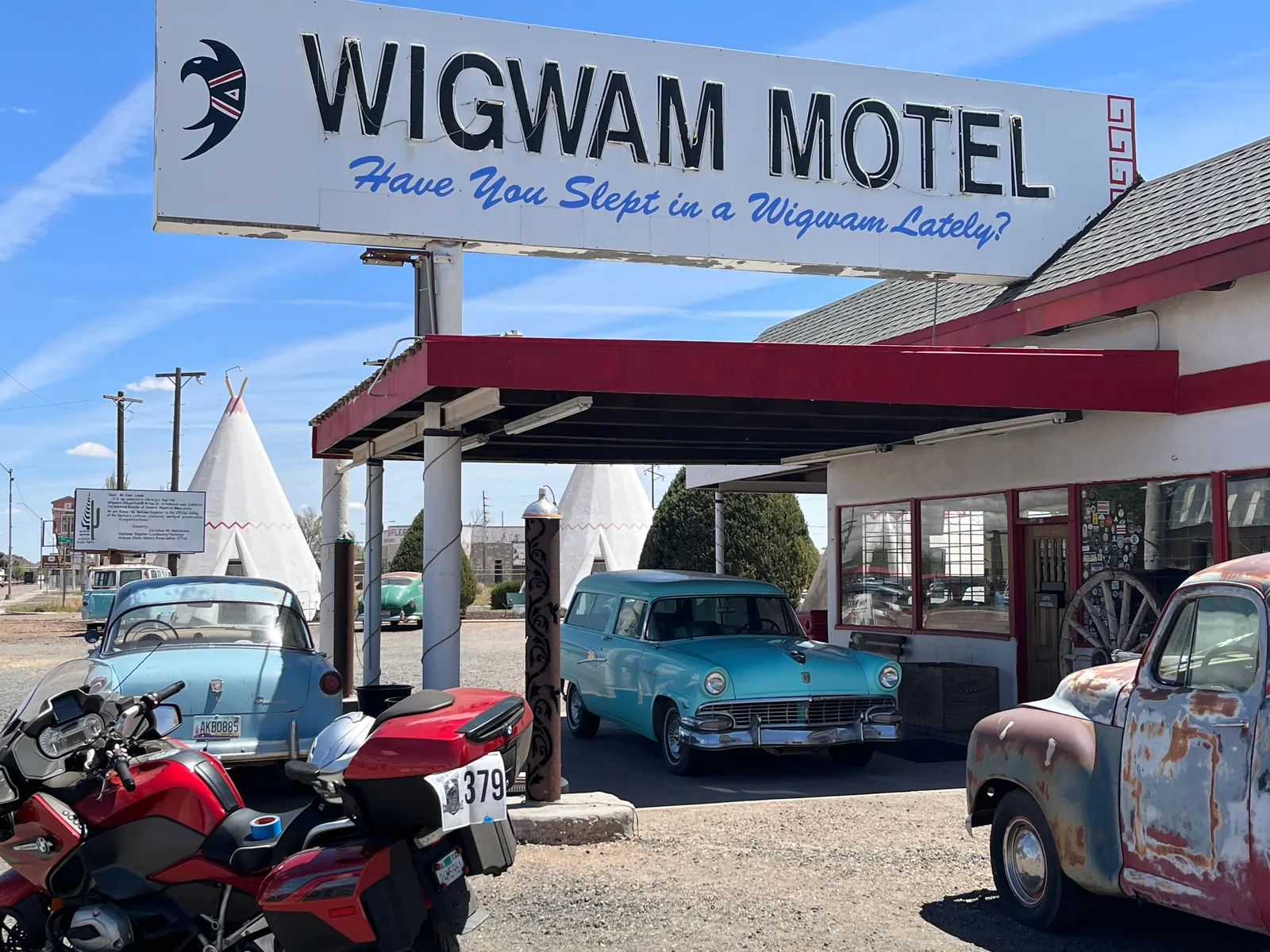
The Neon Museum in Las Vegas offers guided tours and preserves the La Concha Motel lobby, designed by Paul Revere Williams. Book through the museum's ticketing, or ask its group-booking contact whether the tour can focus on the motel's design and preservation. For a working motel example, contact the Wigwam Motel (Wigwam Village No. 6) in Holbrook, Arizona, and ask whether it can accommodate a preservation-focused visit; a guest reservation does not promise access beyond guest areas.
Three questions decide most of what you get: whether the owner will be there, what stage the work is at now, and what happens if the weather turns.
Will the owner be there?
A guide can describe what happened. An owner can tell you why they chose it, what it cost them and what they regret.
Ask directly whether the owner or the project architect will be present, and be flexible about the date to make it possible. A Tuesday with the owner beats a Saturday without them by a wide margin.
Where neither is available, ask who is leading it and what their involvement was.
What stage is the work at now?
Projects move. A listing written in spring describes a site that has since been closed up, opened up again or finished entirely.
Ask what is happening on site during the week of your visit and what you will actually be able to see. Ask also what will be covered up soon, because that is the thing to prioritize.
What is the weather plan?
This is the question people skip and the one that decides whether the day happens.
A roadside visit may involve an exposed lot, an active motel or diner, or a rural access road. Ask how winter conditions affect access to the property and whether the host can switch to an indoor discussion or interior work; don't rely on a general forecast alone.
Ask three things: what cancels the visit, how much notice you get, and whether there is an indoor alternative.
The wet-weather alternative
There usually is one, and it is frequently better than the original plan.
Interior work carries on regardless, and interior finishes are where a project's care is most visible. Historic plaster is a good example, and the brief on the repair of historic flat plaster covers what repair involves, from patching to reattaching failed material.
Watching that on a rainy afternoon, with somebody explaining it, is not a consolation prize.
What else to ask before you book
- How long, and how much of that is on site
- Group size, and whether you can bring one other person
- Protective equipmentsupplied or your own
- Photography, and any restriction on publishing
- Whether there is a fee, and what it covers
- Whether you may come back at a later phase
- Which areas are part of the historic property, and which are active guest, dining, or service areas
Before you commit, ask which designation covers the property. In the United States that is usually the National Register of Historic Places, a state or local landmark listing, or a historic district, and your state historic preservation office (SHPO) can confirm what the status covers and whether it limits where a visit may go. State and local preservation groups often run the bookable tours on protected roadside properties, so the SHPO is also the place to ask who leads visits in that county.
Confirm the week before
Telephone rather than email. Ask whether anything has changed, whether the stage is as expected and whether the weather forecast has altered the plan.
Two minutes on the telephone prevents most of the wasted journeys on this subject.
Once you are on site, the behavior expected of a visitor is set out in these first visit tips. The questions worth asking the business side — the people who run the property day to day — are the conversation worth having while you are there.