Industry
Part of Motel exterior materials reviews from the ground up, updated for 2027
A roofer usually knows more than a tour guide about motel exterior materials
For materials, the best guide in any town is usually a roofer or a plasterer who has worked on the buildings, rather than anybody who gives tours for a living.
What to take away
- Trades know more about a region's materials than anybody else, and almost nobody asks them.
- Roofers in particular can date buildings from the street, because they have been on top of them.
- Ask about a specific building rather than the subject in general.
- Offer to pay for their time. An hour of a specialist's day is worth buying.
Materials knowledge is regional and it lives with the people who repair things. A national expert can tell you how adobe behaves. The plasterer in that town can tell you which motels are adobe, which are block behind render, and who did the bad repair in 2009.
Roofers know the most
This is the least obvious and most useful contact for a materials trip.
A tour guide can tell you which buildings are famous and what the stories are. A roofer can tell you what a roof is actually made of and when it was last replaced. On materials, the roofer is the better source.
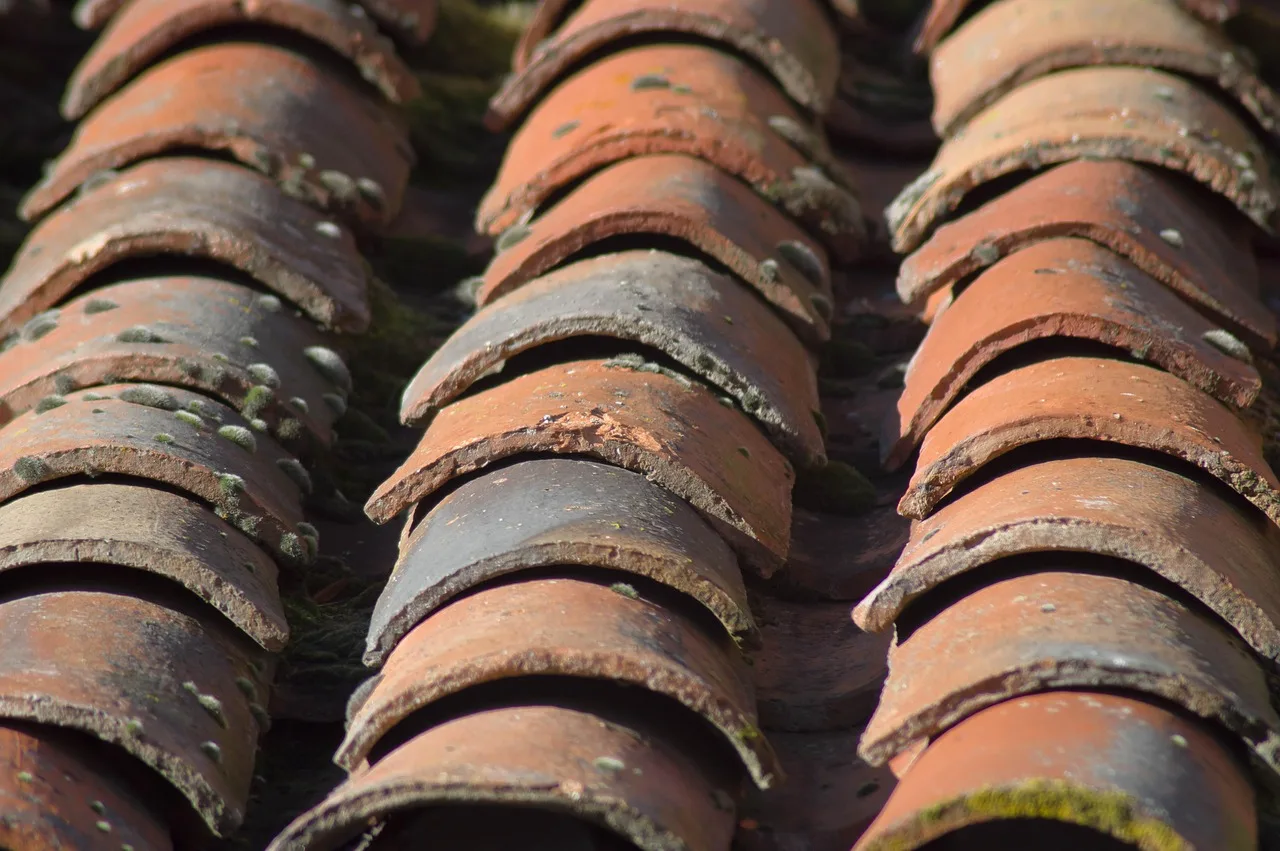
Roofing is regional, layered and highly visible, and a roofer who has worked a town for twenty years has been on top of half its buildings. Ask about the old motels and you will get dates, materials and repair histories.
It helps to know what you are asking about. The National Park Service publishes preservation guidance on slate roofs and clay tile roofs that covers how these materials are laid, how they fail, and what proper repair looks like. Reading it first turns your question from vague to specific.
Specific questions get specific answers. "Is that a replacement ridge?" gets a real conversation. "Tell me about old roofs" does not.
The other trades worth finding
Plasterers and stucco specialists, for anything rendered. They know which walls are hiding what.
Masons, for block, brick and stone, and for the difference between original and rebuilt.
Sign people, who have been on every frontage in the county.
Painters, who know which surfaces have been coated, how many times and with what.
The institutional contacts
The state historic preservation office (SHPO) for what is listed in the National Register of Historic Places and who works competently in the region. County historical societies for photographs showing the building before the render went on. Building departments for permit histories, which tell you exactly when a surface was changed.
None of that replaces a trade contact, and together they give you the paper record to go with the practical knowledge.
How to ask
Name a building. Say what you noticed. Ask one question.
"I am looking at the motel on the west side of town. The render at the base looks different from the rest. Do you know if it was repaired?" That gets an answer from almost anybody.
Offer to pay for time beyond a few minutes. Trades charge by the hour and a half day of somebody's attention is worth what it costs.
What good local knowledge sounds like
Dates with reasons attached. Names of the people who did the work. A distinction between what they know and what they assume.
Be careful with confident local history that nobody can source. Buildings acquire stories, and those stories harden with repetition.
What to ask about is set out in the materials review, and the equipment that lets you ask better questions is worth having in the car before the conversation.