Guides
Part of Motel exterior materials reviews from the ground up, updated for 2027
Binoculars and a torch: the small kit for reading motel exterior materials
Motel exterior materials packing list: binoculars, a hand lens and a torch you can hold flat against a wall. Three cheap items that turn a walk past a building.
What to take away
- Binoculars are the most useful item, because the roof is where the material story ends and you cannot get up there.
- A torch held at a low angle reveals surface texture that direct light hides completely.
- Never scrape, chip or take a sample. Old paint is a real hazard and it is not yours to remove.
- Photograph with something for scale in the frame, then write down where you stood.
Materials work is close looking, and close looking needs three cheap things most people do not bring. None of them is a camera.
The three that matter
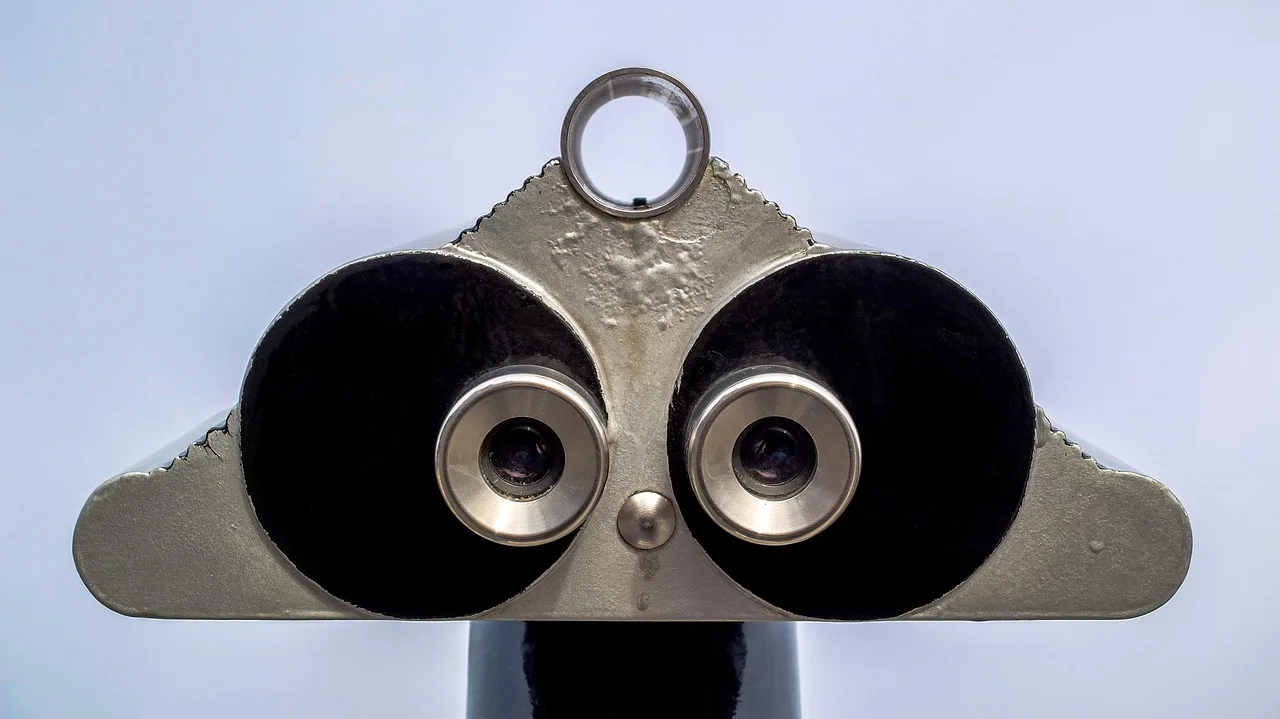
Binoculars. Roofs, parapets, upper walls and canopy soffits are where the useful evidence is, and they are all out of reach. A small pair of 8x binoculars turns an unreadable roof into a legible one.
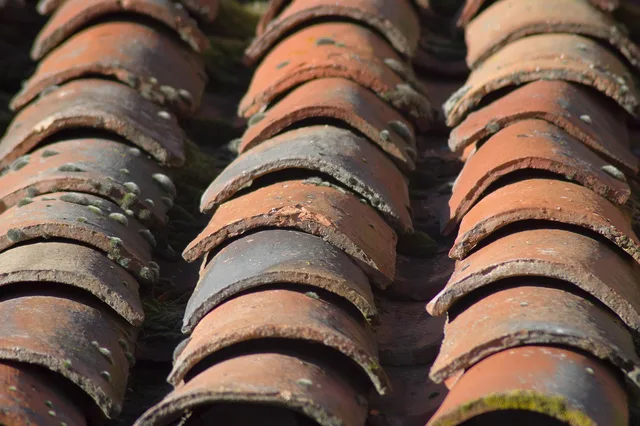
Roof material is particularly worth the effort, because it dates a building and records its repairs. The brief on wood shingle roofs is a good example of how much is going on up there: shingle type, exposure, ridge detail, and whether a replacement matched the original or simply covered it.
A hand lens. Ten times magnification, a few dollars. It shows aggregate in concrete, the difference between original and patched render, and the grain of a paint surface.
A torch. Not for darkness. Held flat against a wall it produces raking light, which reveals texture, patch edges and tooling that vanish in direct sun.
What not to bring, and why
Do not bring a scraper, a chisel, a knife or a sample bag.
The building is somebody else's, and paint on anything built before 1978 may contain lead. The Environmental Protection Agency's page on where lead is found covers paint, dust, and soil as common sources.
Scraping at old paint creates exactly the dust the guidance is about. Doing it on a wall you do not own is both a hazard and a trespass.
Look, photograph, ask. Never take.
The rest of the kit
- Camera or phone, plus something for scale. A coin, a ruler, a folding rule.
- Notebook and pencil. Sketch the elevation and note where each photograph was taken.
- A tape measure for things you can reach legitimately, such as a step or a curb.
- Sun protection and water. Motel forecourts have no shade.
- Boots with a stiff sole, because you will be standing on gravel and broken paving.
- Cash, for staying at or buying from the properties you are studying.
Photographing materials properly
Overcast light is best. Direct sun blows out light stucco and fills dark brick with contrast, and both hide the surface.
Take three frames of anything interesting: the whole elevation, the detail in context, and the detail close with a scale. The middle one is the frame people skip and the one that makes the other two usable.
Etiquette on private property
Ask at reception. Say what you are interested in and show the photograph you want to take. Owners of properties with intact original materials are usually pleased somebody noticed.
Stay outside occupied rooms, keep off private walkways when guests are around, and never photograph people or vehicle plates.
What all this equipment is for is set out in the materials review, and the damage caused by people who did bring a scraper is the reason the rule about not taking samples is absolute.