Features
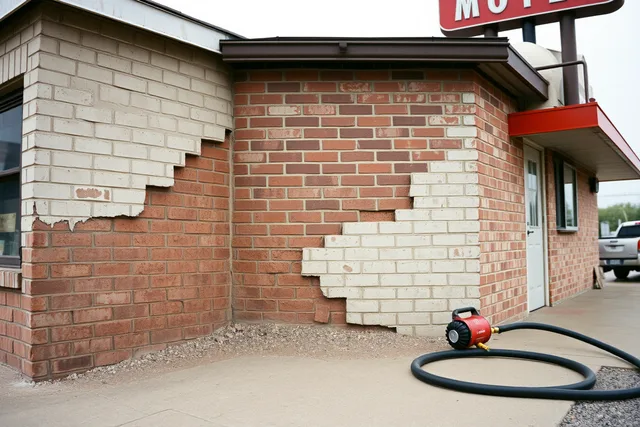
Part of Roadside renovation damage compared: careless cleaning versus plain bad luck
Document before it disappears: a field list for roadside renovation photography
Renovation photography has one job the pretty version does not: recording what was there before somebody removes it and nobody can remember it.
What to take away
- Shoot the before set completely, even when it is boring. It is the only version that cannot be retaken.
- Photograph from fixed positions and return to them. Matched frames are worth ten times as many unmatched ones.
- Record the ceilings and the walls behind later coverings before anything is removed.
- Include a scale and a date in the working shots. It costs nothing and settles arguments later.
Renovation photography divides into two jobs. One produces the pictures people share. The other produces the record that lets somebody in thirty years work out what was original.
The second is more useful and almost nobody does it, because it means photographing things while they still look terrible.
The before set
Do this in one session, before any work at all, and do not skip elements because they are being replaced. Those are the ones that matter most.
- All elevations, square on, from fixed marked positions.
- The building in its street context from both approach directions.
- Every opening: window, door, bay, in sequence.
- Ground level all the way round, showing soil height against the wall.
- Roof edge, gutters, downpipes, and where water discharges.
- Every junction between old and later work.
- Interior room by room, corners included.
- Ceilings, in full.
- Details: hardware, signage, fixings, maker's marks.
Note where you stood. A phone photograph of your own feet on the spot is enough, and it makes the matched after shot possible.
The things people forget to photograph
Ceilings and upper walls. Decorative metal ceilings and wall panels are common in small commercial buildings of this era and get removed early because they are damaged. The brief on historic decorative metal ceilings and walls covers what they are and how they are repaired, and knowing they are repairable changes how urgently you record them.
Behind removable coverings. Photograph the moment a false ceiling or a boarded panel comes down. That view exists for about an hour.
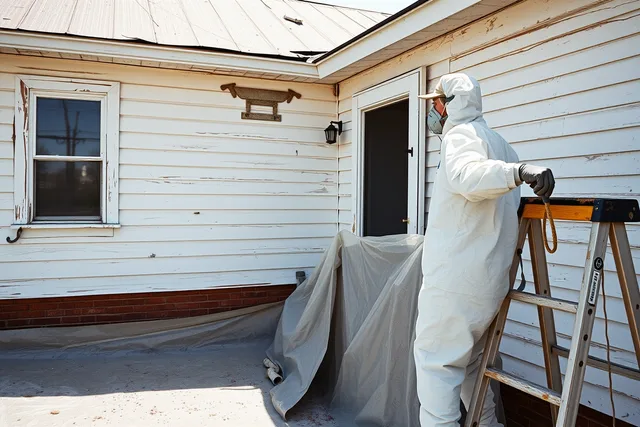
Surfaces before cleaning. Cleaning is a one-way process, and the before frame is the only evidence of what the surface was.
Photographing a cleaning trial
Test patches are the most useful frames in any renovation record, and they need a specific approach.
Photograph the wall before. Then shoot each test patch with a label in the frame under the same light, and again after weathering.
The brief on cleaning historic masonry explains why trials matter and why gentle methods are preferred. A photographic record lets an owner argue for the gentle option against a contractor who wants to blast.
Same position, same time of day, same exposure. Comparability is the whole value.
During the work
Go back at each phase. Roof opened, wall opened, services in, before covering up. Anything that will be hidden gets a frame before it is hidden.
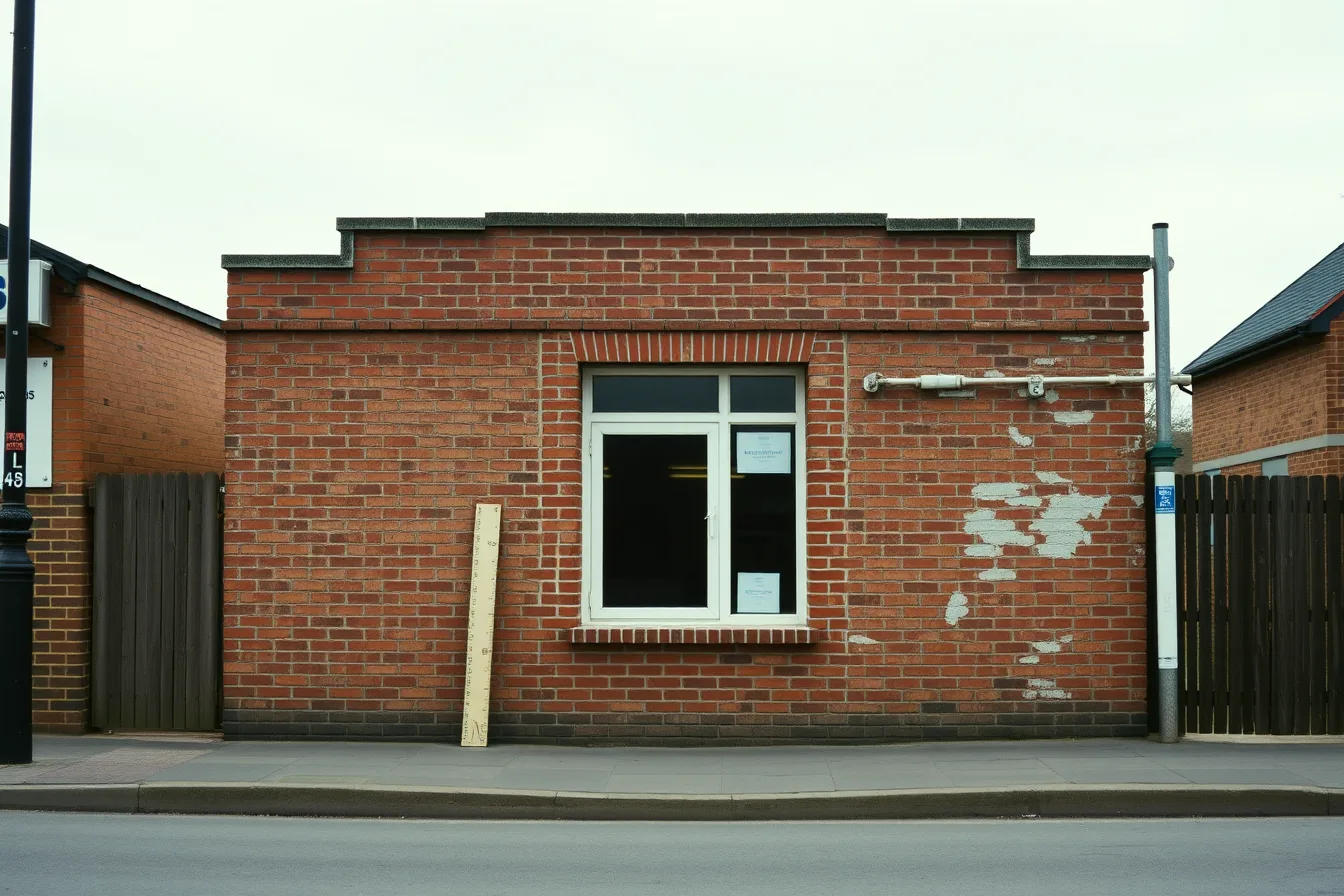
Include a scale in structural shots. A folding rule costs almost nothing and turns an illustration into a measurement.
After
Repeat the before set from the same positions. That pair of sets is the deliverable, and it is what makes the project legible to anybody who comes later.
Captions
Date, position, what is shown, and what you could not determine. Keep what you know separate from what you assume.
The photographs answer questions about the building. The captions answer questions about the photographs, and without them a folder of images becomes unusable within a couple of years.
The faults worth documenting are cataloged in the beginner's mistakes, and what an outside observer can read from a finished job is a good checklist for the after set.
Common questions
How many frames is enough? More than feels reasonable at the time. Storage is cheap and the moment is not repeatable.
Phone or camera? Either, consistently. Matching positions matters far more than resolution.
Do I need permission on a private site? Yes, and agree in advance what may be published. Owners are usually generous when asked properly.
What if the work has already started? Photograph everything now anyway. A partial before set beats none, and the untouched elevations may still be intact.