Industry
Part of Roadside renovation damage compared: careless cleaning versus plain bad luck
5 fixes that actually help roadside renovation, starting with graffiti
How local businesses can support roadside renovation: the two things a street can do collectively that no owner can do alone, deal with graffiti quickly.
What to take away
- Remove graffiti fast and carefully. Slow removal invites more; harsh removal damages the wall permanently.
- Get one code conversation done for the whole street rather than five owners each guessing.
- Share trades. The specialist who is good with old buildings is the constraint, not the money.
- A street improves together or not at all. One renovated building beside four neglected ones stays a curiosity.
Individual owners can only do so much. The problems that keep roadside streets looking tired are collective ones, and two of them respond very well to organization.
Graffiti: fast and gentle
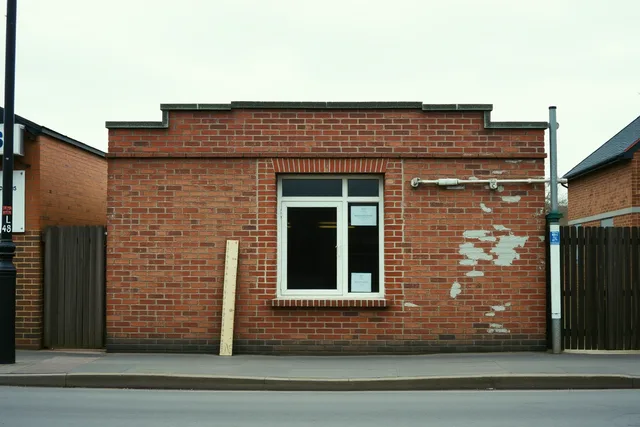
Graffiti attracts more graffiti, so speed matters. What matters equally, and is routinely ignored, is method.
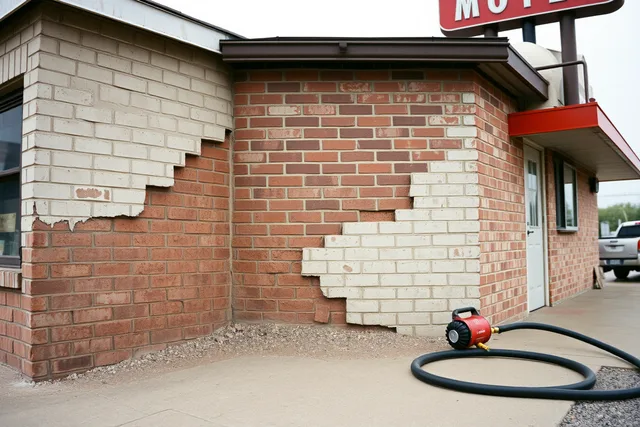
The National Park Service's brief on removing graffiti from historic masonry sets out why: aggressive removal takes the surface off with the paint, and the cleaned patch then weathers differently and absorbs water. A street that scrubs graffiti off with the harshest thing available ends up with permanent pale scars on every wall.
The practical arrangement that works: one agreed contact, one tested method, a small shared fund, and removal within days rather than months. Test on a hidden area before using anything new, and keep a note of what worked on which material.
Codes: one conversation, not five
Every owner on a street faces the same questions about fire, exits, access and energy requirements when they change or restore a use. Most of them work it out separately, badly, from a contractor's assumptions.
The brief on historic buildings and the code covers how code requirements are applied to historic properties and where flexibility exists, which is more than most owners assume and less than the optimists hope.
The organized version: invite the local building official to a meeting of the street's owners. They will explain what applies, what alternatives are usually accepted, and what will never be approved. One evening saves five sets of redrawn plans.
Share the trades
The binding constraint on a street like this is not money. It is the number of people within driving distance who can repair a window, repoint a wall properly or fix a canopy.
When one of them is booked, book the neighboring work at the same time. Trades give better rates and better attention when they are on a street for three weeks rather than three days.
Keep a shared list of who was good, who was not, and what they charged.
What each business can contribute
Anyone with a frontage. Gutters cleared, drainage working, paint maintained. It costs little and is most of what makes a street look cared for.
Restaurants and bars. Evening life. A renovated street with nothing open after six is a photograph, not a place.
Trades and suppliers. Materials that suit old buildings, and honest advice about what does not.
Property owners with empty units. Keep them weathertight and let somebody use the window. An empty frontage undoes the neighbors' work.
Local media and social accounts. Show the work in progress, not just the results. It builds tolerance for the disruption.
Where the money is
Facade improvement funds, main street programs, state preservation grants and corridor programs. Most require approval before work starts and most want matched funding.
One person tracking the deadlines for the whole street will win more than five owners applying separately, and the paperwork is largely the same for each.
The errors these programs are trying to prevent are described in the beginner's mistakes, and what visitors notice about the result is a fair test of whether the money was well spent.
Common questions
Who pays for graffiti removal on a private wall? The owner, usually, and a shared fund makes the speed possible. Some municipalities help.
Will the building official really come to a meeting? Frequently yes. It is less work for them than reviewing five uninformed applications.
What if one owner refuses to do anything? Common. Work around them, keep the offer open, and make sure the visible parts of the street carry the effort.
Does any of this actually increase trade? A maintained street with evening life holds people longer, and holding people longer is the whole roadside economy.