Maintenance
Part of Roadside renovation damage compared: careless cleaning versus plain bad luck
Roadside renovation leaves paint lines and window tops that new visitors miss
A renovated building tells you how it was done if you know where to look. Start with the paint at ground level and the tops of the window frames.
What to take away
- Paint failing in a pattern is a building problem. Paint failing evenly is just age.
- Look at the parts nobody photographs: the base of the walls, the back, the gutters.
- A renovation that skipped maintenance shows within two years, and you can see which one you are looking at.
- New work that copies old work is the tell of a project that valued appearance over honesty.
Walk past a renovated roadside building and it either looks smart or it does not. Stand still for a minute and it will tell you how the work was done, who paid attention and what was skipped.
Most of the evidence is at knee height and roof height, which is precisely where nobody looks.
Read the paint
Paint failure is the cheapest diagnostic tool there is, because the pattern points at the cause.
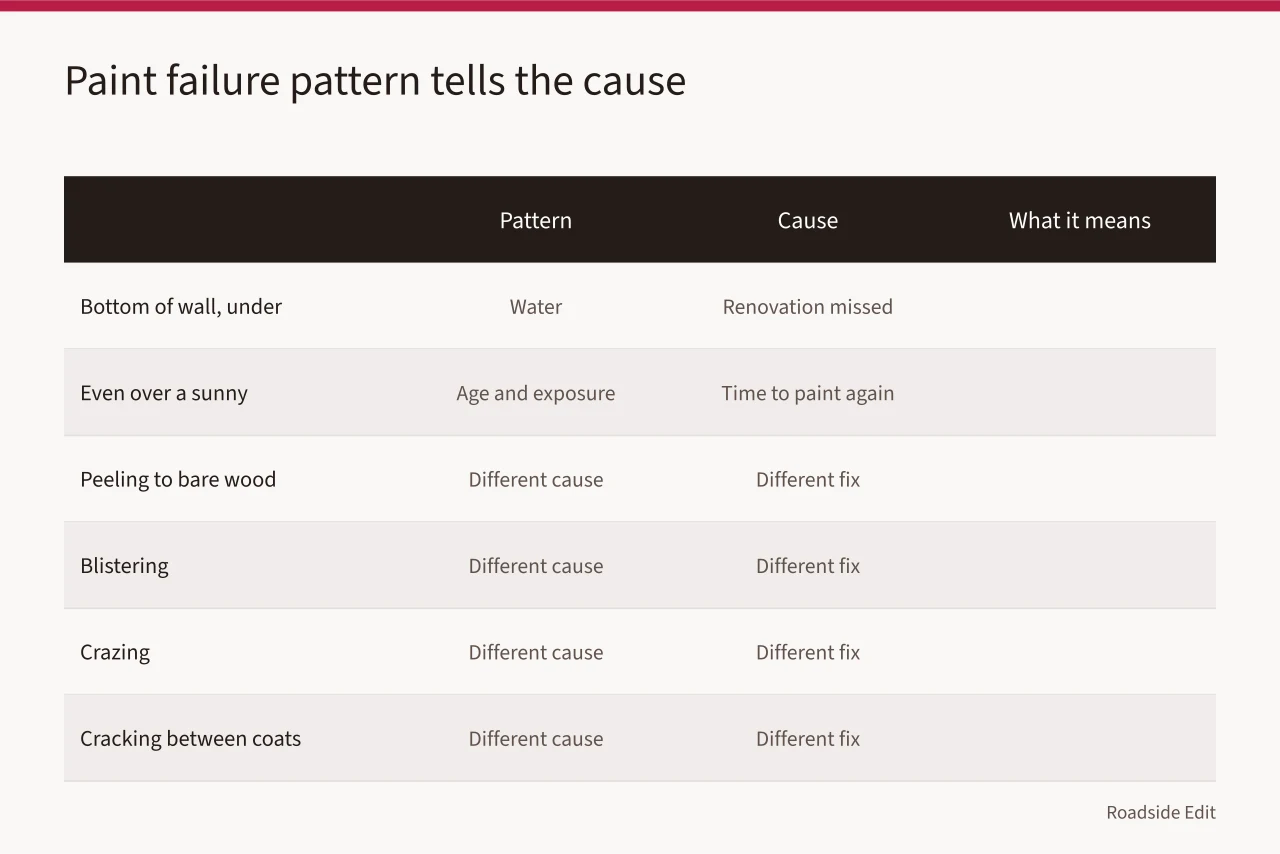
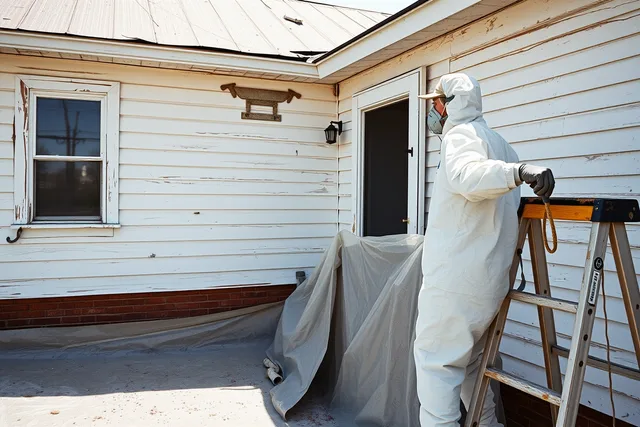
The National Park Service's brief on exterior paint problems on historic woodwork works through what different failures mean: peeling down to bare wood, blistering, crazing, cracking between coats. Each has a different cause and a different fix, and they look nothing alike once you know.
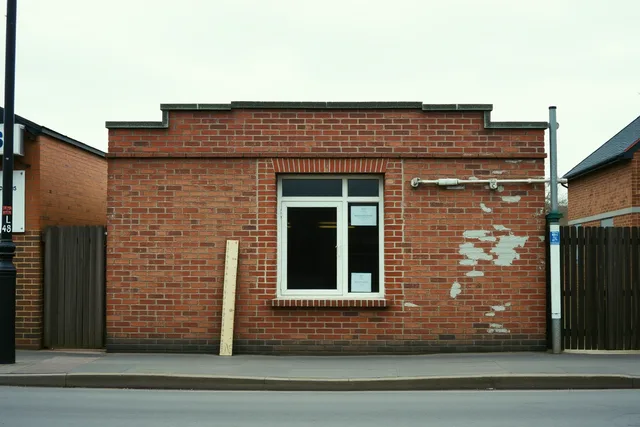
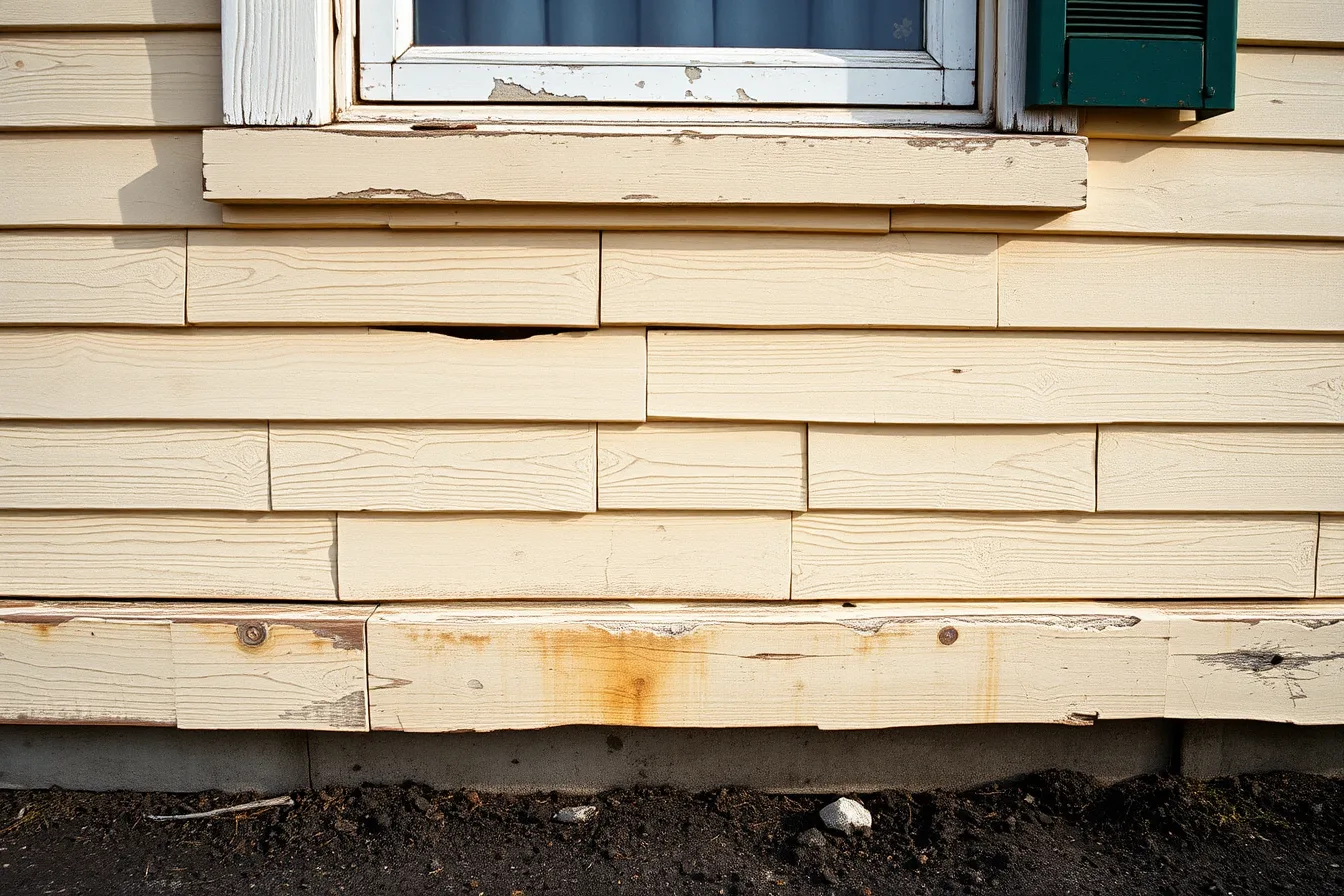
The practical version for a visitor: failure concentrated at the bottom of a wall, under a window or below a gutter is water. Failure spread evenly over a sunny elevation is age and exposure. The first means the renovation missed something. The second means it is simply time to paint again.
Look at the maintenance, not the makeover
The difference between a renovation and a maintained building is visible within a couple of years.
The brief on maintaining the exterior of small and medium size historic buildings is essentially a checklist of the things that keep a building alive: gutters, downpipes, ground drainage, joints, paint, ventilation. A property where those are all in order has an owner. One where the front is beautiful and the gutter is full has a project.
Look up at the gutter line and down at the ground beside the wall. Two seconds each, and they tell you which one you are looking at.
The junctions between old and new
Where new work meets old is where the honesty of a project lives.
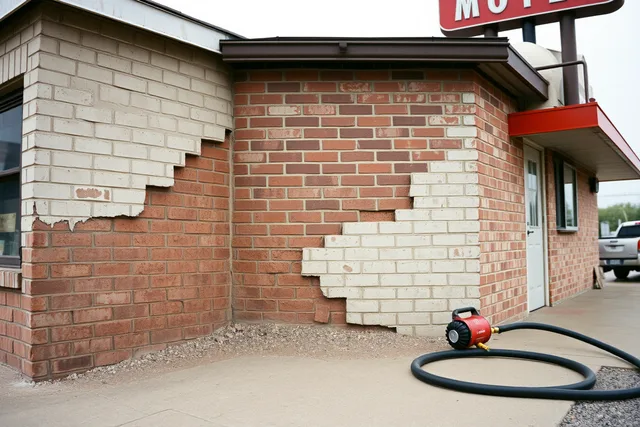
Look for the joint. A good one is visible: a change of material, a shadow gap, a slight setback. A bad one is hidden, because the new work imitates the old. That reads as an invisible repair for about five years, and then as an obvious fake once the two materials have weathered apart.
Also look at replaced sections of trim, brick or render. Matching color is easy. Matching profile and texture is not, and a mismatch there is far more visible in raking light than head on.
What visitors consistently miss
- The back of the building. Almost always unpainted, unrepaired and completely honest.
- The window heads. Where the lintel or arch is, and where movement shows first.
- Ground level. Where soil has crept up the wall over decades and where damp starts.
- Later additions being removed. A patch of new render on an elevation is usually where something was taken off.
- The roof edge. Frequently the biggest expenditure in a renovation and never photographed.
Two buildings to compare
The most useful exercise on any street is to look at two buildings of the same age, one recently done and one not.
The renovated one shows you what was decided. The untouched one shows you what the first one looked like beforehand, which is the only way to see how much was replaced rather than repaired. The same comparison drives a two-day filling station itinerary, where one trading site, one adapted and one closed explain a whole corridor between them.
The errors behind most of what you will see are set out in the beginner's mistakes and fixes, and the same reading applies to interiors in what to look for in diner rooms.
Common questions
Is new paintwork a good sign? Only with sound gutters and drainage. Fresh paint over an unresolved water problem is a countdown.
How can I tell repaired from replaced? Look for splices, patches and slight differences in grain or profile. Replacement is uniform, repair is not.
Does a spotless building mean a careful renovation? Not necessarily. Over-cleaned masonry can mean abrasive methods, which is damage rather than care.
What should I photograph if I only take one frame? The base of the wall where it meets the ground. It answers more questions than the elevation does.