Features
Part of Judge the best roadside design studios by replication, not photographs
Why a rare-craft detour to roadside design studios is worth the miles
Six named workshops and the buildings they restored: Conrad Schmitt, EverGreene, Let There Be Neon, Seward Johnson Atelier, Simon Pearce, Pilchuck.
What to take away
- Pair every workshop visit with a building the workshop worked on. Neither is complete alone.
- The rarest crafts are worth the longest detours: glass, plaster, casting, sign work.
- Studios are on industrial edges, not in old towns. Plan the driving accordingly.
- Ask permission for everything. These are workplaces, not attractions.
Adding studios to a roadside trip changes what the trip is. You spend an hour with the people who make the work, and everything you look at afterwards reads differently. The detours worth making fall into two kinds. Here are six to plan around.
Kind one: rare crafts at named workshops
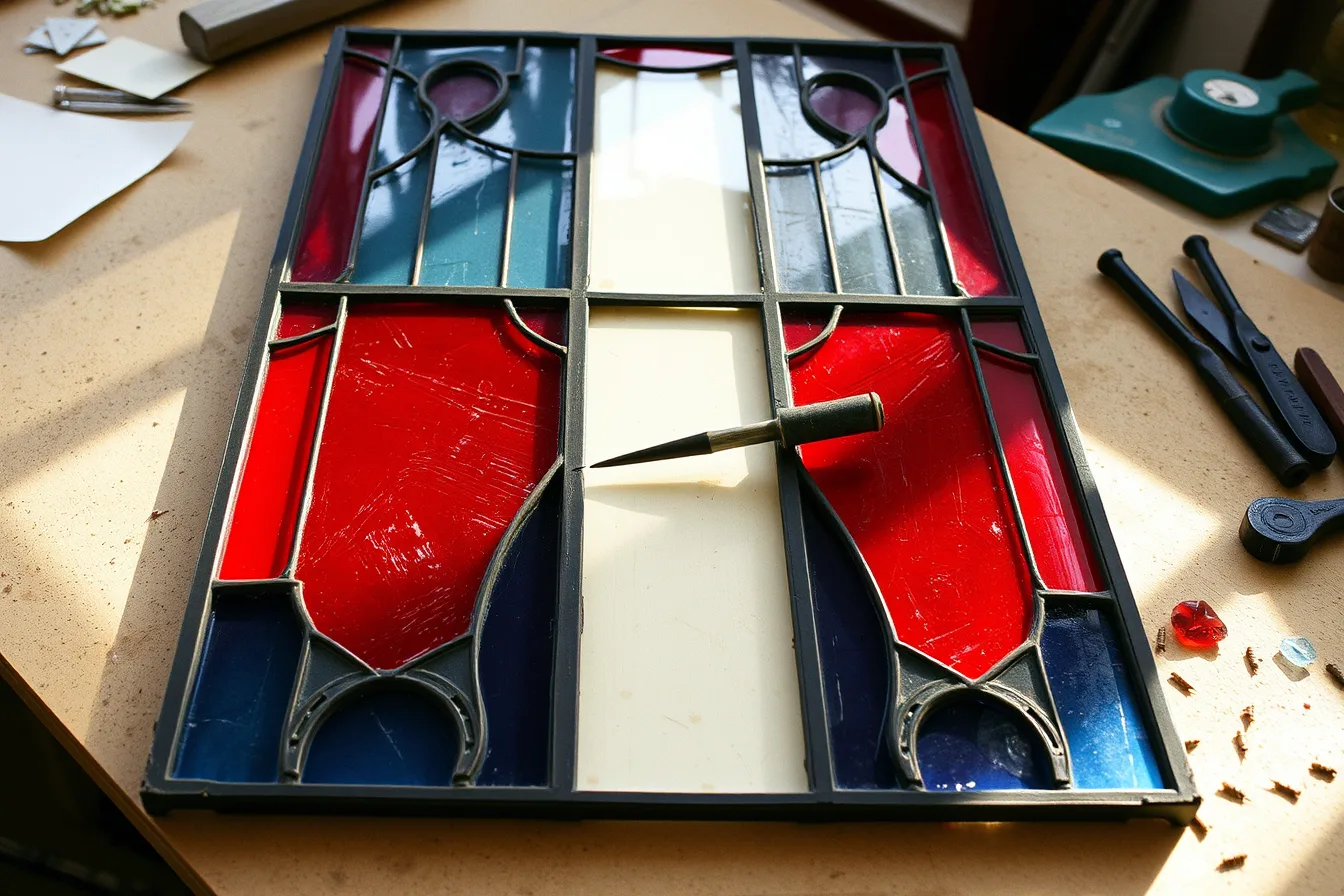
Stained glass: Conrad Schmitt Studios, New Berlin, Wisconsin. Founded in 1889, the studio restores stained glass and decorative painting. Pair it with the Chicago Cultural Center in Chicago, Illinois, where the Tiffany dome was restored. The brief on the preservation and repair of historic stained and leaded glass covers conservation, and watching a panel rebuild explains the cost in five minutes. Present in more commercial buildings than people expect: transoms, door lights, decorative panels above shopfronts.
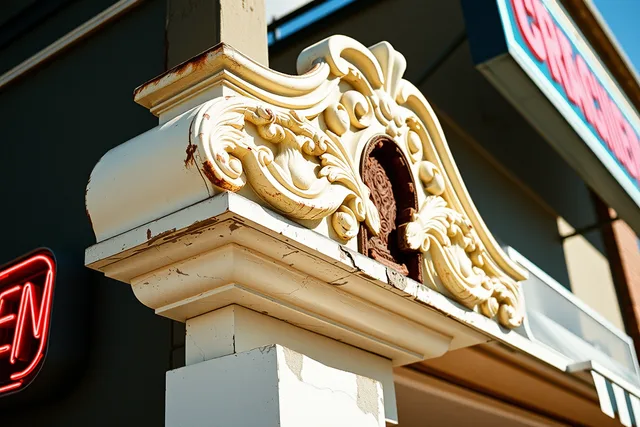
Ornamental plaster: EverGreene Architectural Arts, Brooklyn, New York. The firm restores plaster, murals, and decorative finishes. Pair it with the Kings Theatre in Brooklyn, reopened in 2015 after plaster restoration. The brief on preserving historic ornamental plaster sets out how running molds and casting work.
Neon and sign fabrication: Let There Be Neon, New York City. Founded in 1972, the shop makes and restores neon signs. Pair it with Radio City Music Hall in New York City, whose marquee they restored. It is usually the easiest workshop to arrange, and the one most connected to the buildings on the road outside.
Casting and molding: The Seward Johnson Atelier, Hamilton, New Jersey. The atelier casts large bronze figures. Pair it with Grounds For Sculpture in Hamilton, New Jersey, a 42-acre park with many of those works.
Glass: Pilchuck Glass School, Stanwood, Washington. Founded in 1971 by Dale Chihuly, it offers summer sessions and tours by appointment. Pair it with Chihuly Garden and Glass in Seattle, Washington, which opened in 2012.
Glassblowing: Simon Pearce, Windsor, Vermont. The workshop runs daily glassblowing demonstrations in a converted mill on the Ottauquechee River. Pair it with the Simon Pearce flagship in Quechee, Vermont, where the glass is used in the restaurant.
Kind two: a finished building you can stand in front of
A workshop visit without a completed project is half the story. Ask the studio which of their jobs is nearby and publicly visible. Most will name one immediately and tell you what to look at. Some will tell you which parts they are not happy with, which is more instructive still.
Where these places are
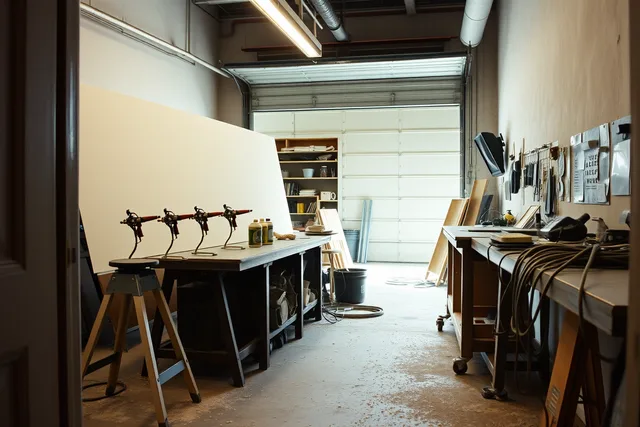
Studios sit on industrial edges, in old warehouses, or in converted farm buildings. That makes a detour a real detour: fifteen minutes out and back, plus finding the door, which is rarely marked.
How to arrange it
Write two weeks ahead. Say what you are interested in, name a building of theirs if you can, and offer to come when it suits them. Ask for thirty minutes rather than an afternoon. You will usually get an hour. Do not turn up unannounced.
Fitting studios into a route
One studio per two days is a comfortable rhythm. Put them mid-morning, when somebody has time to explain what they are doing. The comparison of what different studio visits offer is in how to compare studio tours, and what makes a studio worth visiting at all is the filter to apply before writing.
Common questions
Will a studio charge for a visit? Some do, and it is fair. They are stopping work to host you.
Can I commission something small? Occasionally, and it is a good way to say thank you. Ask rather than assume.
Is photography allowed? Usually of the work, sometimes not of client jobs or of processes they consider their own. Ask first, every time.
What if nobody replies? Telephone. Many workshops do not read email during the working day, and a two-minute call gets a straight answer.