Features
Part of 6 pointers on neon sign restoration that hold up
Shooting neon sign restoration twice: flat daylight, then dusk
Shoot the sign twice: once in flat daylight for the evidence, once at dusk for the light. Bracket hard, because neon fools every meter you own.
What to take away
- Two visits, always. Daylight records what the sign is, dusk records what it does.
- Shoot at dusk, not in full darkness, so the building behind the sign is still visible.
- Expose for the tubes and everything else goes dark. Bracket by several stops and choose later.
- Never touch a sign, a cabinet or a transformer housing. The voltages involved are lethal.
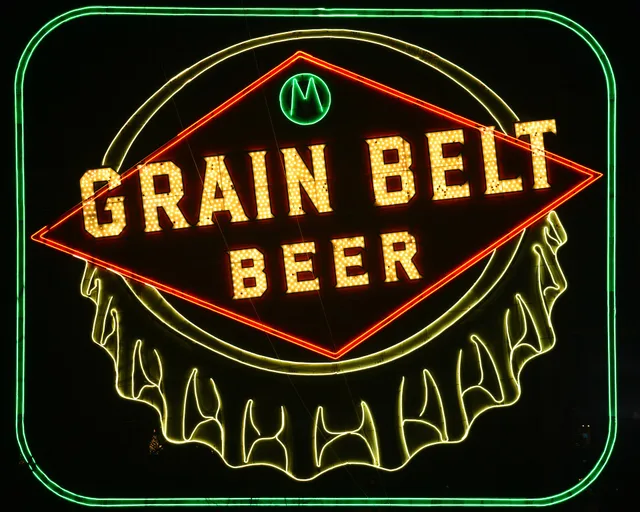
Neon is the most photographed and least well photographed subject on the roadside. Almost everybody comes back with the same frame: bright tubes floating in a black rectangle, no building, no context, no information.
Two visits and a short list fix that.
Safety, briefly and seriously
Neon runs at voltages that will kill you. Transformer housings, disconnects and open cabinets are not to be touched, opened, leaned on or propped against, and this applies to signs that appear dead as much as to lit ones.
The Occupational Safety and Health Administration's electrical safety pages cover why: contact, arcing and the fact that damaged equipment gives no warning. If a sign is being serviced, stay well back and do not climb anything.
Practical rules that follow from that: no ladders, no fences, no reaching over barriers, and no shooting from a live traffic lane at night when drivers cannot see you.
Visit one: flat daylight
Overcast is ideal. Direct sun on glossy sign enamel produces hotspots that hide the surface you came to record.
The frames worth taking:
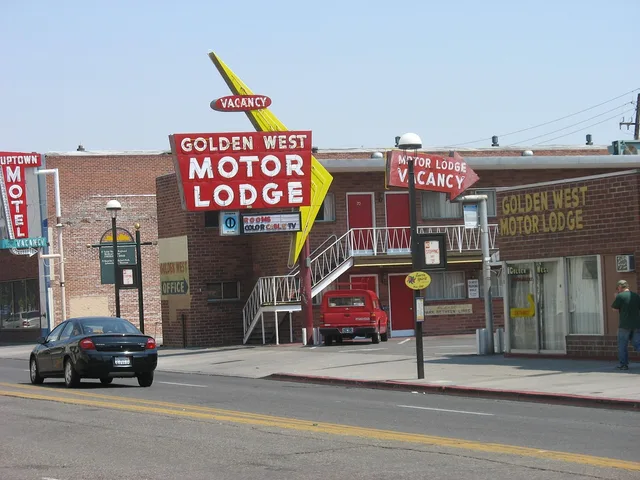
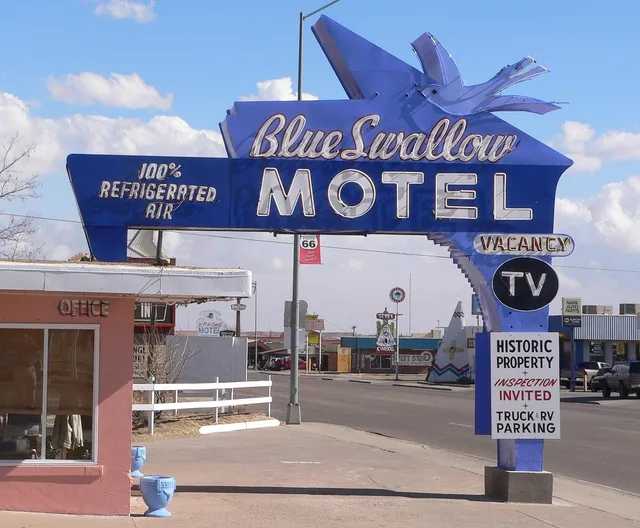
- The whole sign with its building, square on.
- The sign against the sky, isolated, showing its silhouette.
- The mountingpole base, brackets, or the wall fixing.
- The cabinet face close enough to read the paint condition.
- The cabinet edge and back, where repairs are visible.
- The tubing close up on one letter, showing the corners and supports.
- The electrode housings and any visible wiring enclosure.
- Anything filled, patched or mismatched.
- The shopfront below the sign, which is part of the same design.
That set is what a restorer or a researcher will actually want, and it takes ten minutes.
Visit two: dusk
Come back so you are set up twenty minutes before the light goes, and shoot through the transition.
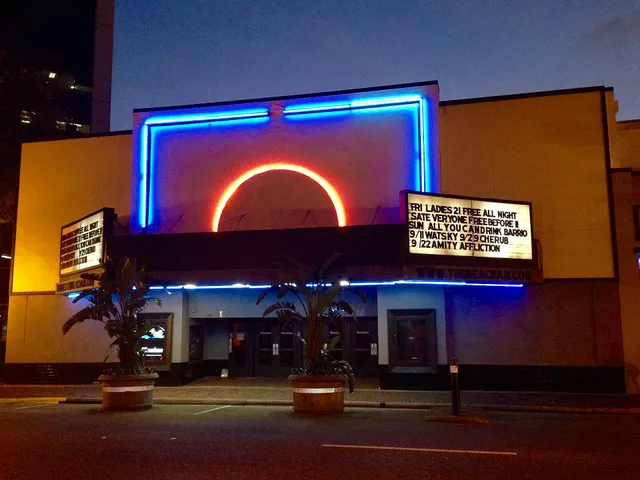
The frame you want has the tubes lit and the sky still holding some blue. Ten minutes later the sky is black and the sign is a floating object with no building attached to it.
Bracket hard. Neon is far brighter than everything around it, and a meter reading the whole scene will blow the tubes out to white and lose their color entirely. Underexpose relative to what the camera wants, by more than feels sensible, then check whether the color inside the tube is still visible.
Take a wide frame that shows how much the sign lights the ground and the building. That relationship is the reason these signs were built, and it is missing from almost every photograph of them.
What to write down
Date, time relative to sunset, whether the sign was fully working, which sections were dark, and anything the owner tells you.
A dark section is information. Signs lose a color or a section of animation quietly, and a photograph with a note is the record of when it happened.
Where to find signs still doing their job
Working signs in their original positions are rarer than museum pieces and worth traveling for.
The National Park Service's account of Route 66 in California covers the corridor's western end, including desert towns where surviving signs stand in exactly the setting they were designed for. Corridor history is the fastest way to work out which towns are worth an evening.
Publishing responsibly
Ask before photographing inside a business. Do not give precise locations for abandoned properties, because that reliably attracts damage.
If somebody has restored a sign, credit them by name when you publish. It is the currency these projects run on.
The daytime evidence this list captures is explained in what visitors miss about restored signs, and where to base yourself for the evenings decides how many dusks you get.