Guides
Part of Eleven habits of modern roadside design that actually read at speed
Packing for a day of modern roadside design: sun, asphalt and no shade
What to pack when a trip centers on modern roadside design: you will spend the day standing in full sun on hot asphalt with no shade anywhere.
What to take away
- The hazard on this kind of trip is heat and sun, not weather drama. Parking lots run far hotter than the forecast.
- Pack for standing still outdoors, which is a different problem from hiking or driving.
- Charging is a route decision on an electric car. Plan the stops before the day, not during it.
- Everything else is a notebook, a hat and shoes that survive hot asphalt.
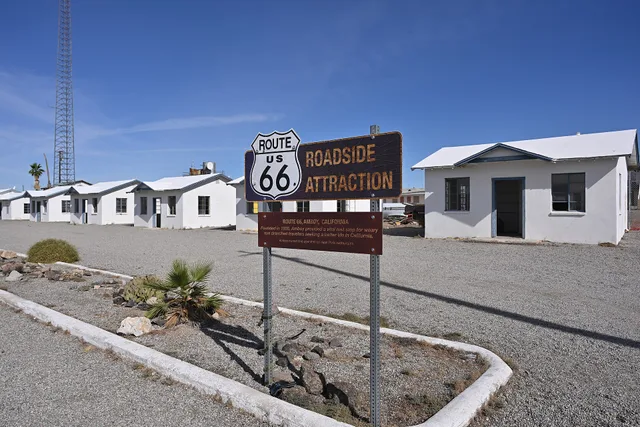
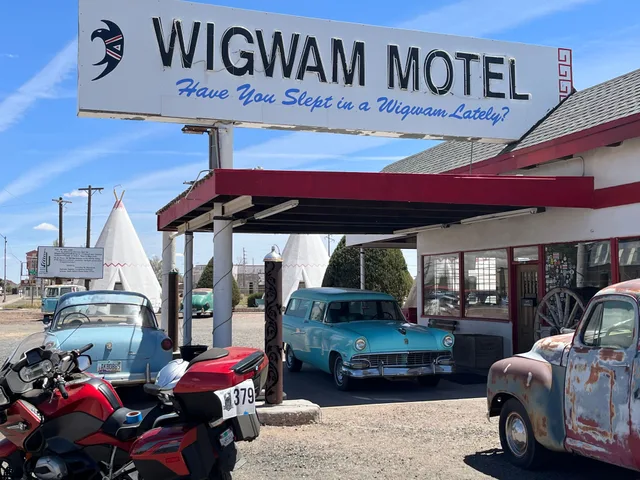
Trips built around roadside buildings look easy on paper. In practice you spend six hours outside in an unshaded parking area in the middle of the day, which is the most exposed way to spend a summer afternoon short of standing on a beach.
Pack for that and the rest is straightforward.
Sun and heat come first
Roadside sites have no shade by design. The forecast temperature is measured in the shade, and asphalt runs well above it.
The National Weather Service's guidance on heat safety is worth five minutes before a summer trip, particularly the part about how fast a parked car becomes dangerous. Never leave a person or an animal in one while you walk over to photograph a sign, however brief you think it will be.
The other thing worth checking each morning is the UV forecast rather than the temperature alone. On a high reading the useful move is not more sunscreen, it is not being outside between eleven and three.
Sun protection starts with what you wear. A hat with a wide brim beats a cap, because ears and neck burn as fast as a face.
Sunscreen at SPF 30 or higher goes on the face, neck, ears and the backs of the hands. Reapply every two hours. Long sleeves, or clothing with a UPF rating, keep working where lotion does not.
Heat exhaustion looks like a headache, dizziness, nausea, heavy sweating and cool, clammy skin. Stop, move into shade or an air-conditioned car, drink water with electrolytes, and cool the skin. Confusion, fainting or a stop in sweating points to heat stroke, which is a medical emergency.
Sun and heat essentials
- Hat with a brim
- Long sleeves in light fabric
- Sunscreen you actually reapply
- More water than you think
- Check UV forecast each morning
- Avoid outside 11 to 3
The packing list
One list, so nothing is left behind. Check it before you leave the hotel.
- Sun and heat.A hat with a wide brim, sunscreen at SPF 30 or higher, long sleeves or UPF clothing, and sunglasses.
- Feet and legs.You will stand more than you walk, on hot hard surfaces, sometimes on gravel. Closed shoes with a stiff sole, not sandals. Trousers rather than shorts if you plan to kneel for detail shots on gritty ground.
- Water.Two liters per person per day in hot weather, and refill at every opportunity rather than at the point of need. Many of these stops have no working tap. Add electrolyte tablets or a powder for the afternoon.
- First aid.Blister plasters, painkillers, a cooling cloth, and the heat exhaustion signs from the section above.
- Car kit.A windshield shade and two liters of spare water in the trunk. The parked car is the hottest place of the day, and the shade travels with you.
- Recording and odds and ends.A notebook and a pencil, a phone and a power bank, offline maps, printed addresses, cash, a rubbish bag for the car, wet wipes, a spare phone cable, and food for the car.
Charging and fuel
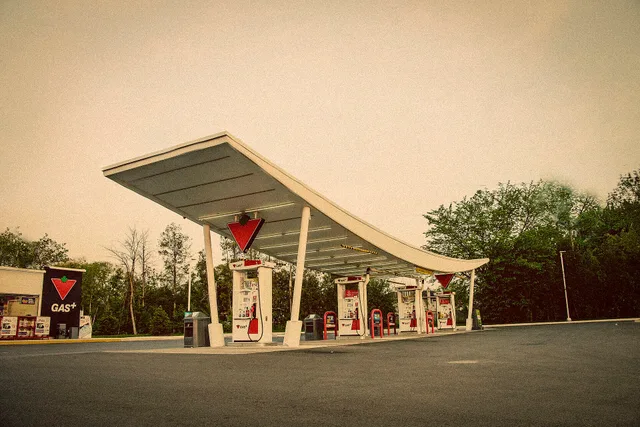
If the car is electric this stops being a comfort question and becomes a route question. Charging is unevenly distributed on exactly the old highways this kind of trip follows.
The Department of Energy's mapping tool for alternative fuel corridors shows the highway corridors the Federal Highway Administration designated for alternative fueling and measures the distance between stations along a route. That station-to-station distance decides your day.
Check gaps before you leave, and pick the overnight stop for its charger rather than its view. In a gasoline car, fill up in towns instead of trusting a station that may have closed in 2019.
Recording what you see
- A notebook and a pencil. Pencil works in heat, rain and a car cabin at 40 degrees.
- Phone plus a power bank. Photographing all day empties a battery by mid-afternoon.
- Offline maps for the whole route, downloaded at the hotel.
- A printed list of the addresses, because the interesting places are the ones your map application does not know.
What not to bring
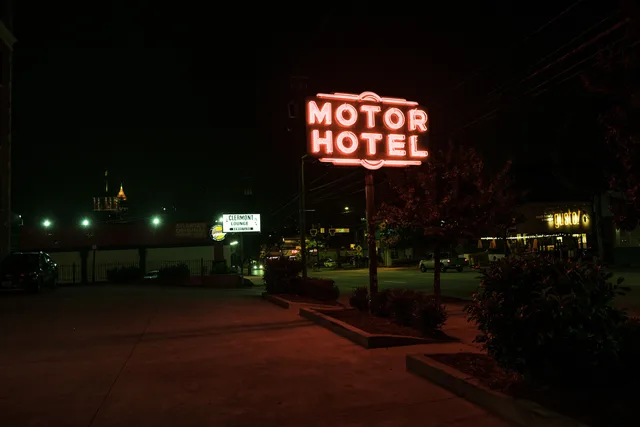
A tripod, usually. It slows you down, it draws attention on private property, and it is unnecessary in daylight. Bring it only if you are shooting neon after dark.
A drone. Restricted in more places than people assume, and guaranteed to end a friendly conversation with an owner.
Every lens. Two is plenty. The wide one does the buildings and the long one does the sign details.
The small things that matter
Cash for small businesses with a card minimum. A rubbish bag for the car. Wet wipes. A spare phone cable. Something to eat in the car, because the gap between food stops on these routes is longer than the gap between interesting buildings.
Before you go
Confirm opening hours by telephone, not by search result. Independent roadside businesses change hours seasonally and rarely update anything online.
The wider trip plan is in the two-day itinerary, and if anyone in the group has access needs, the accessibility planning should happen before the packing does.