Guides
Part of 6 pointers on neon sign restoration that hold up
Neon sign restoration booking: questions for a visit
Neon sign restoration booking for visitors: the questions to ask before reserving a neon museum visit, a night walk, a glass-bending class or a sign shop tour.
What to take away
- Establish which of four very different things you are booking before comparing prices.
- For hands-on glass work, ask what protection is provided. A torch, hot glass and a gas line are real hazards.
- Night walks live and die on whether the signs will actually be lit that evening.
- Working sign shops are the most interesting option and the hardest to book. Ask early and ask politely.
For neon sign restoration booking as a visitor, first sort out what kind of experience you are reserving: a museum visit, a guided night walk, a glass-bending class, or a working shop tour. Each shows a different stage of how old signs are saved, from the finished, relit sign to the bench where new tubes are bent.
These are different outings, so do not assume their prices or contents are comparable. Sort that first.
Establish which one it is
Museum or collection. Signs indoors, lit, with interpretation. Reliable, weather-proof, and the least like seeing them in place.
Four neon experiences compared
Museum
- Setting
- Indoors
- Weather
- Proof
- Hands-on
- No
- Booking
- Reliable
- Rarity
- Common
Night walk
- Setting
- Original spots
- Weather
- Depends
- Hands-on
- No
- Booking
- Bookable
- Rarity
- Common
Workshop
- Setting
- Bench + torch
- Weather
- Indoors
- Hands-on
- Yes
- Booking
- Bookable
- Rarity
- Common
Shop tour
- Setting
- Working shop
- Weather
- Indoors
- Hands-on
- No
- Booking
- Arranged
- Rarity
- Rarest
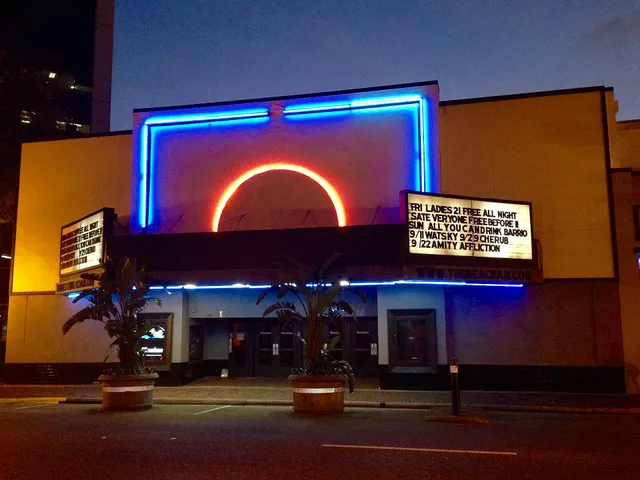
Guided night walk. Signs in their original positions, after dark, with somebody explaining them. The best value if the weather and the switches cooperate.
Glass-bending workshop. You at a bench with a torch. Physical, slow, and the fastest route to understanding why restoration costs what it does.
Working shop tour. A commercial sign shop showing what is on the benches. Rarest, most interesting, usually arranged rather than booked.
Ask outright which of these it is. Listings are frequently vague because vagueness sells to all four audiences.
For anything hands-on, ask about safety
A bending workshop involves a gas torch, glass at working temperature and electrodes. This is a real workshop hazard, and a well-run class is straightforward about it. It is also the closest a visitor gets to restoration itself: the National Park Service's Preservation Brief 25 on historic signs explains that when a tube is broken, a new one must be made by a skilled glass bender, and that after the hot tube is shaped it is purified before being refilled with gas.
Ask what protective equipment is supplied and what you are expected to bring. Proper didymium glasses for glass work, not sunglasses. The Occupational Safety and Health Administration's personal protective equipment pages offer general workplace guidance; ask the instructor which protections apply to the class and how they are enforced.
Also ask the group size and how many torches there are. Eight people and two benches means you watch for most of the session.
For night walks, ask about the lights
The single question that determines whether the evening works: which signs on the route will be lit, and who controls them?
Signs on operating businesses go off when the business closes. Signs on empty buildings may not be lit at all. A good operator has arrangements with owners and will tell you which ones are certain and which are hopeful.
Ask what time it starts relative to sunset. Twenty minutes after is the useful window, and an itinerary that starts in full darkness has already missed half of it.
Questions that apply to all of them
- What is the total price, and what does it include?
- What is the total time, and how much of it is spent moving?
- Is there interior access, and to what?
- What is canceled by rain, and what is the refund?
- Can I photograph, and is there any restriction on publishing?
- Who is leading it, and what is their background?
- Is this on private property, and has permission been confirmed?
Send them as a numbered list before booking. What comes back tells you as much as the answers do.
How to find a bookable experience
Local concentrations of surviving neon are where the interesting programs exist, because that is where the shops and the volunteers are.
Two collections are the obvious starting points for a museum visit: The Neon Museum in Las Vegas and the Museum of Neon Art in Glendale, California, both of which display retired signs. Put the same seven questions to them as to any walk or class, starting with what happens to a booking if the weather turns. For signs still in place, corridor histories help. The National Park Service's account of Route 66 in Oklahoma names roadside landmarks such as the Blue Whale in Catoosa and Galloway's Totem Poles in Foyil, and lists restored properties including the Rock Cafe in Stroud and the Meadow Gold sign in Tulsa. Use that history to plan a route, then confirm directly with a museum, tour operator, glass studio, or sign shop whether it offers public visits.
Before you pay
Confirm the date's specifics rather than the general offer. Seasonal hours, staffing and access change, and a page written last year is not a promise about this one.
For a workshop, ask whether you take home your first bend, and what happens if it is not finished by the end of class.
Owners pricing a real restoration rather than a class can turn to our guide to neon restoration costs, and a photographer's field list for neon signs is worth reading before a night walk rather than after.