Industry
Part of 6 pointers on neon sign restoration that hold up
Neon sign restoration: what a street's businesses can do
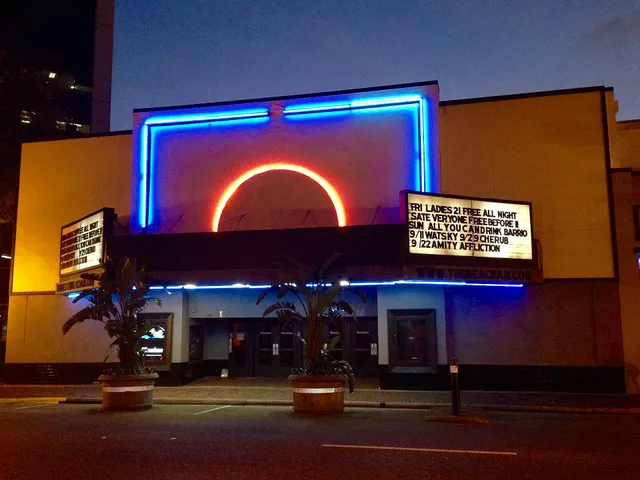
One restored sign draws a photo; four lit at dusk draw diners. What neon sign restoration on a single street asks of local businesses, and what they can do.
What to take away
- Signs work as a group. One restored sign is a curiosity; four on a street is a reason to come into town.
- The cheapest useful contribution to neon sign restoration is keeping yours lit, not restoring it.
- Getting a building listed opens funding routes that no amount of local goodwill replaces.
- Handle the old tubes properly. They contain material that is regulated for a reason.
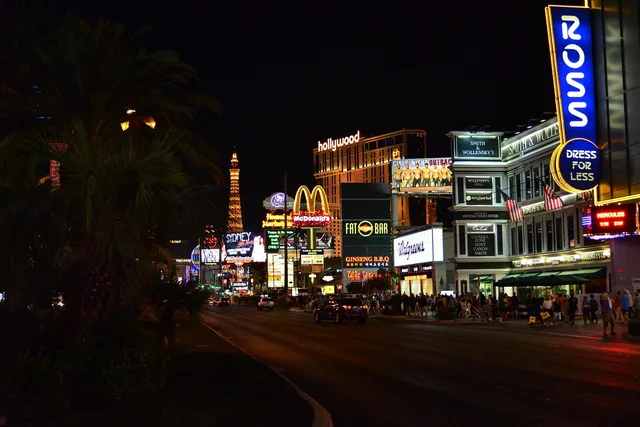
A single restored sign brings people who photograph it and leave. A street where four signs come on at dusk brings people who eat dinner, stay the night and come back.
That difference is why this is a commercial question for a whole street rather than a hobby for one owner.
The cheapest thing that works
Before anybody restores anything, get the surviving signs switched on.
Plenty of intact signs sit dark because a transformer failed years ago and nobody replaced it. That is a small electrical job, not a restoration, and it changes a street's evening appearance immediately.
Agree a common switch-on time along the street. Signs coming on together at dusk is a small piece of theater that costs nothing and reads as intent.
Get the paperwork done on the good buildings
Local enthusiasm cannot substitute for the funding routes that come with formal recognition.
The National Park Service's guidance on how to list a property sets out the National Register process, which usually runs through your State Historic Preservation Office. Listing does not restrict what a private owner does with their own money, and for a commercial building it is the door to the federal rehabilitation tax credit and to grant programs that are otherwise closed.
For a commercial street the practical move is a district nomination rather than a building-by-building effort. One process covers everyone, and the research is largely shared. Whichever route you take, the rehabilitation work has to meet the Secretary of the Interior's Standards for Rehabilitation, the rule the National Park Service applies to tax credit and grant projects. Where federal money, a permit or a license is involved, Section 106 of the National Historic Preservation Act adds a review by the federal agency before work begins.
Handle what comes down correctly
Sign work generates waste that is not ordinary rubbish, and a business that gets this wrong creates a problem for itself.
The Environmental Protection Agency's page on mercury in consumer products lists neon lights alongside fluorescent and high intensity discharge lamps as products that can contain mercury, and asks that such items be recycled rather than put in ordinary waste.
In practice this means using a contractor who handles disposal properly and keeping the record. Mercury-containing lamps are handled under the EPA's universal waste rules, so the tubes go to a recycler that gives you a certificate of recycling for your file. It also means not letting a well-meaning volunteer clear out a storeroom of old tubes.
What each kind of business can do
Property owners. Keep the sign, even dark. Removal is permanent, and a stored sign in a dry space is a future asset.
Restaurants and bars. You control the evening footfall. Staying open an hour later on the nights when the street is lit does more for the project than a donation.
Sign companies and electricians. Discounted survey work early is worth more than discounted labor later, because a survey is what makes a project fundable. To find someone who still bends glass, start with the International Sign Association's member list, and ask the American Sign Museum or the Neon Museum, both of which work with neon and sign restoration.
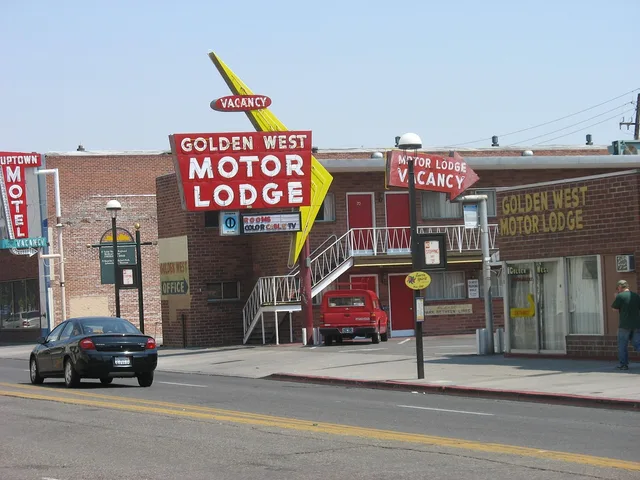
Hotels and motels. Point guests at the street, print a walking map, tell them what time the lights come on.
Everybody else. Do not replace a period sign with a plastic box. The street's value is collective, and every replacement takes a piece out of it.
Money that does not come from you
Start with the programs that have names. The National Trust for Historic Preservation runs preservation grants for planning and construction, and Main Street America's local programs, with the state coordinating program behind them, pass through grants and technical help for commercial districts. Your State Historic Preservation Office administers the federal Historic Preservation Fund money that reaches the states, and can tell you which state preservation grants and state rehabilitation tax credits are open now. If your street sits on a designated byway or heritage corridor, corridor grant programs may be open too, and local facade improvement schemes usually come from the city or a business improvement district. Most require the work to be approved before it starts and most require some owner contribution.
A street association with one person who tracks deadlines will win more of these than five owners applying separately.
Getting the sequence right
Survey first, then the money, then the work. Businesses that fundraise before anybody has costed the job end up with half the sum required and no plan for the rest.
A restoration budget is rarely one number. It covers the survey and drawings, new transformers and wiring, glass tubing bent and pumped by a neon shop, repairs to the sign's metal and paint, the electrician's connection and inspection, and the removal and recycling of the old tubes.
What that costing involves is set out in where the budget actually goes, and what visitors notice about the result is worth knowing before you decide which corners to cut.