Industry
Judge the best roadside design studios by replication, not photographs
The interesting studios are not the ones with the best photographs. They are the ones who can still make an ornament that nobody has cast since 1948.
What to take away
- Judge a studio by what it can make, not by how its work photographs.
- The rare skills are replication: casting, molding, ornament, sign glass. Anybody can specify a new panel.
- A studio that documents its process is telling you it knows what it is doing.
- Find them through the work, not through directories. Ask who restored the building you admired.
- Five names to start from: Boston Valley Terra Cotta, Gladding McBean, Historical Arts & Casting, Robinson Iron, Felber Ornamental Plastering.
No register of roadside design studios exists, and any list published today would be stale within two years. What holds up is a method for recognizing them, plus the names below. The question underneath is simple: what can they actually make?
Replication is the real test
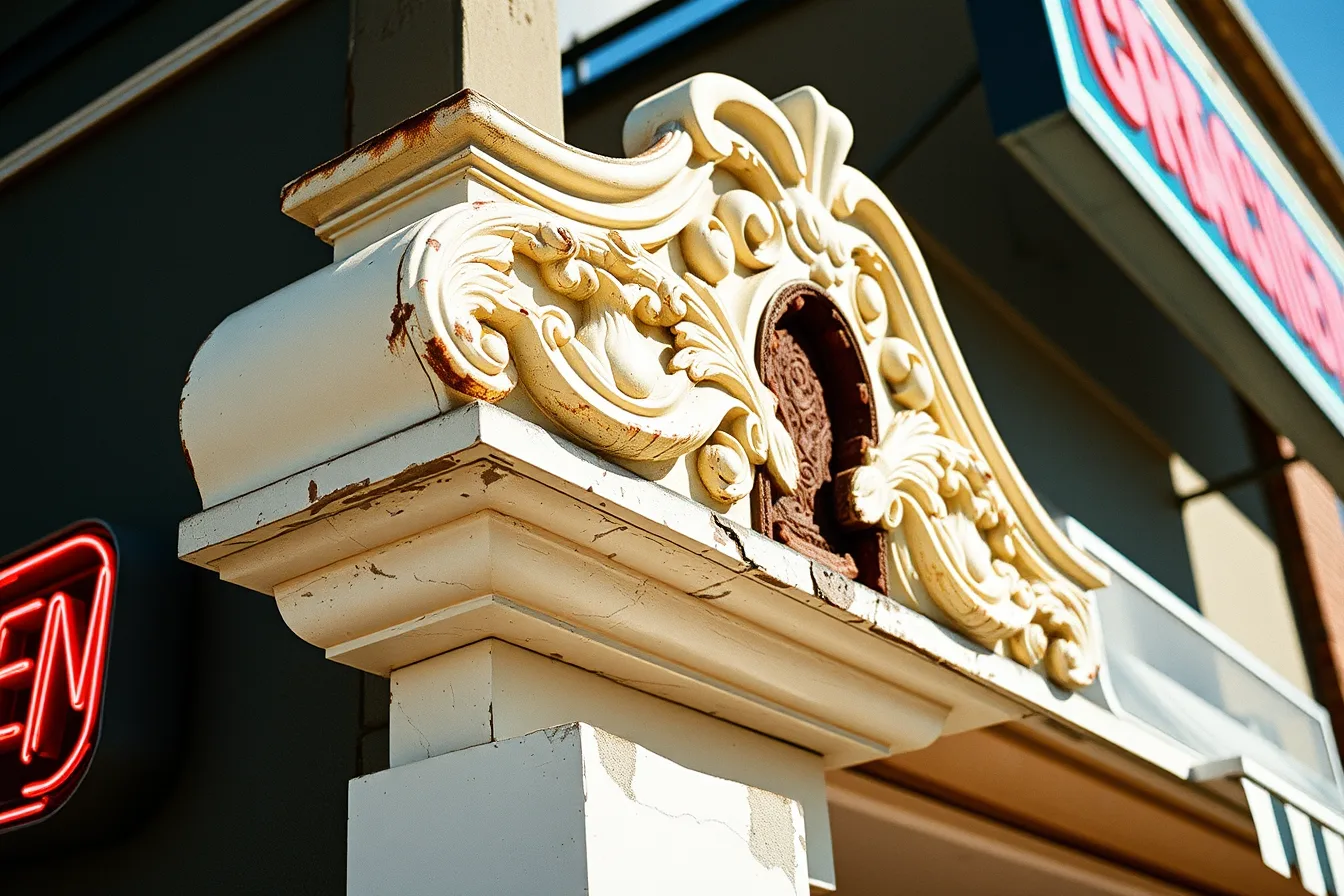
Roadside buildings carry ornament: cast panels, molded trim, applied decoration on parapets and canopies. When a section is missing, somebody has to reproduce it. That is where studios separate.
The National Park Service's brief on the preservation and repair of historic composition ornament covers what these decorative elements are and what repair involves: reading the material, taking a mold from a surviving piece, casting a replacement that matches.
The same applies to the imitation stone used across thousands of commercial frontages. The brief on the preservation of historic cast stone covers its manufacture and repair, a specific skill that no general contractor picks up on the job.
A studio that can take a mold, match a mix and cast a piece that weathers like its neighbors does work almost nobody can do. Boston Valley Terra Cotta of Orchard Park, New York, does it at scale and runs the Architectural Ceramics Assembly Workshop, an annual Buffalo gathering for people who work with terra cotta.
Gladding McBean in Lincoln, California, has fired architectural terra cotta since 1875 and still makes replacement units for historic buildings across the country.
What good studios have in common
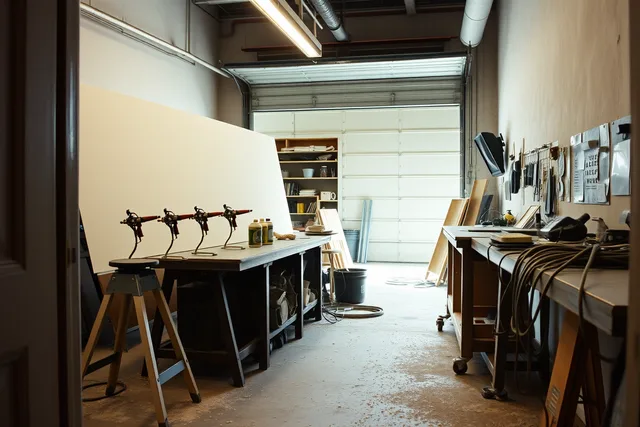
They make things. A workshop with benches, not an office full of renderings. Historical Arts & Casting in West Jordan, Utah, casts and restores architectural metal, from finials to stair railings.
They document. Photographs of the process, not just the result. A studio that records what it did can defend what it did.
They can say what they did not do. Honest about which elements are new, which are repaired and which were beyond saving.
They keep the old piece. The broken original stays on a shelf as the reference.
They talk about failure. Anybody who has done this work has a story about a mix that did not match.
The kinds of practice worth knowing about
| Kind | What they do | Where you meet them |
|---|---|---|
| Sign shops (YESCO, Let There Be Neon) | Fabrication, neon, repainting, restoration | Industrial edge of town |
| Ornament and casting shops (Felber, Decorators Supply) | Molding, casting, replication | Rare, regional, busy |
| Preservation architects | Assessment, drawings, approvals | Through state offices |
| Specialist trades (Robinson Iron, EverGreene) | Windows, metal, plaster, glass | Through preservation contractors |
| Design studios | New work on roadside sites | Through the buildings they did |
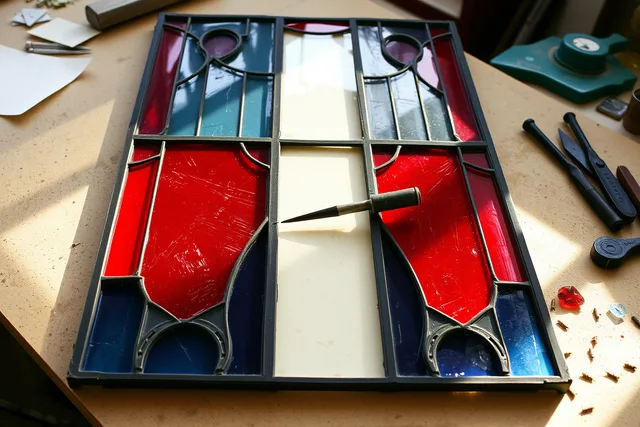
Robinson Iron in Alexander City, Alabama, casts and repairs architectural ironwork, one of the few American foundries that still does. EverGreene Architectural Arts in Brooklyn, New York, handles plaster, decorative painting and murals with crews that travel.
Felber Ornamental Plastering in Norristown, Pennsylvania, restores ornamental plaster cornice and molding. Decorators Supply of Chicago has sold composition ornament from a catalog since 1883.
Sign work has its own names. YESCO, founded in Ogden, Utah, in 1920, builds and maintains signs across the West. Let There Be Neon in Manhattan has fabricated and repaired neon signs since the 1970s.
How to find them
Not through directories, which list who paid to be listed. Through the work.
When you see a building that has been done well, ask who did it. Owners answer this happily and in detail. Two or three such conversations along a corridor give you the names that matter in that region, and those names recur.
State preservation offices also keep informal knowledge of who is competent locally. They will not endorse a firm, and they will tell you who has done approved work.
Judging a portfolio
Look for before photographs. A portfolio of finished buildings tells you nothing about what was there beforehand or how much survives.
Look for repairs rather than replacements. A studio proud of a repaired element understands the value of the original.
Be skeptical of studios whose work all looks the same. Roadside buildings vary enormously, and a house style applied to all of them means the buildings were made to fit the studio.
The design principles this work should follow are in the eleven approaches, and the errors these studios spend their time undoing are worth knowing before you commission anybody.
Common questions
Are specialist studios much more expensive? Per hour, yes. Per project, frequently not, because they repair what others replace. Mold making is the line item that moves: one custom reproduction run typically costs a few hundred to a few thousand dollars in most markets, driven by the size of the piece and the number of castings you need.
How far will they travel? Casting and ornament studios ship work and travel for installation. Sign shops are more regional.
Is a big firm safer than a one-person workshop? No. Some of the best replication work in the country comes out of workshops with two people in them.
What if there is nobody local? Ask your state office who works in the region. These trades are thin on the ground, and the offices know where they are.
In this guide
- How to tell whether a roadside design studios tour is worth the feeHow to compare tours built around roadside design studios: a studio visit means standing in a working workshop with machines running. The good operators say.
- Why a rare-craft detour to roadside design studios is worth the milesSix named workshops and the buildings they restored: Conrad Schmitt, EverGreene, Let There Be Neon, Seward Johnson Atelier, Simon Pearce, Pilchuck.
- Why does a roadside design studios trip need to run on someone else's clock?How to plan roadside design: studio visits run on somebody else's production schedule, which means the trip gets planned around their calendar and never once around.