Guides
Part of Roadside renovation damage compared: careless cleaning versus plain bad luck
What matters more before a roadside renovation site visit in 2027: paint or dust?
Questions to ask when booking roadside renovation in 2027: if a visit or workshop puts you on a live site, two questions matter more than the price.
What to take away
- Establish whether the visit is to a finished building or a live construction site. They are different bookings.
- On any pre-1978 building, ask who is certified for paint disturbance. The rules exist for a reason.
- Cutting or grinding masonry produces dust that needs controls. Ask what they use.
- A well-run operator answers all of this plainly. Vagueness here is the finding.
Renovation experiences come in two kinds. There is the finished building with an owner telling the story, which is a pleasant afternoon. And there is the live site, hard hats on, work in progress, which is far more instructive and carries real obligations.
The questions below separate them and keep the second kind safe.
Which is it?
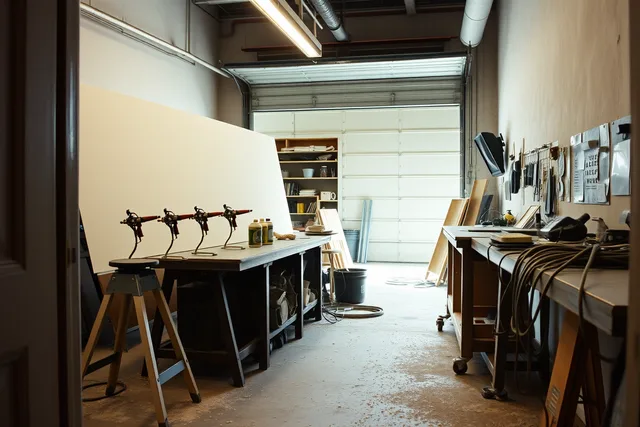
Ask directly: is this a completed building, a site under active work, or a workshop where I will handle tools?
Then ask what happens if the schedule slips. Sites that were going to be at a particular stage frequently are not, and a good operator has a plan for that rather than a disappointed group standing in a car park.
The paint question
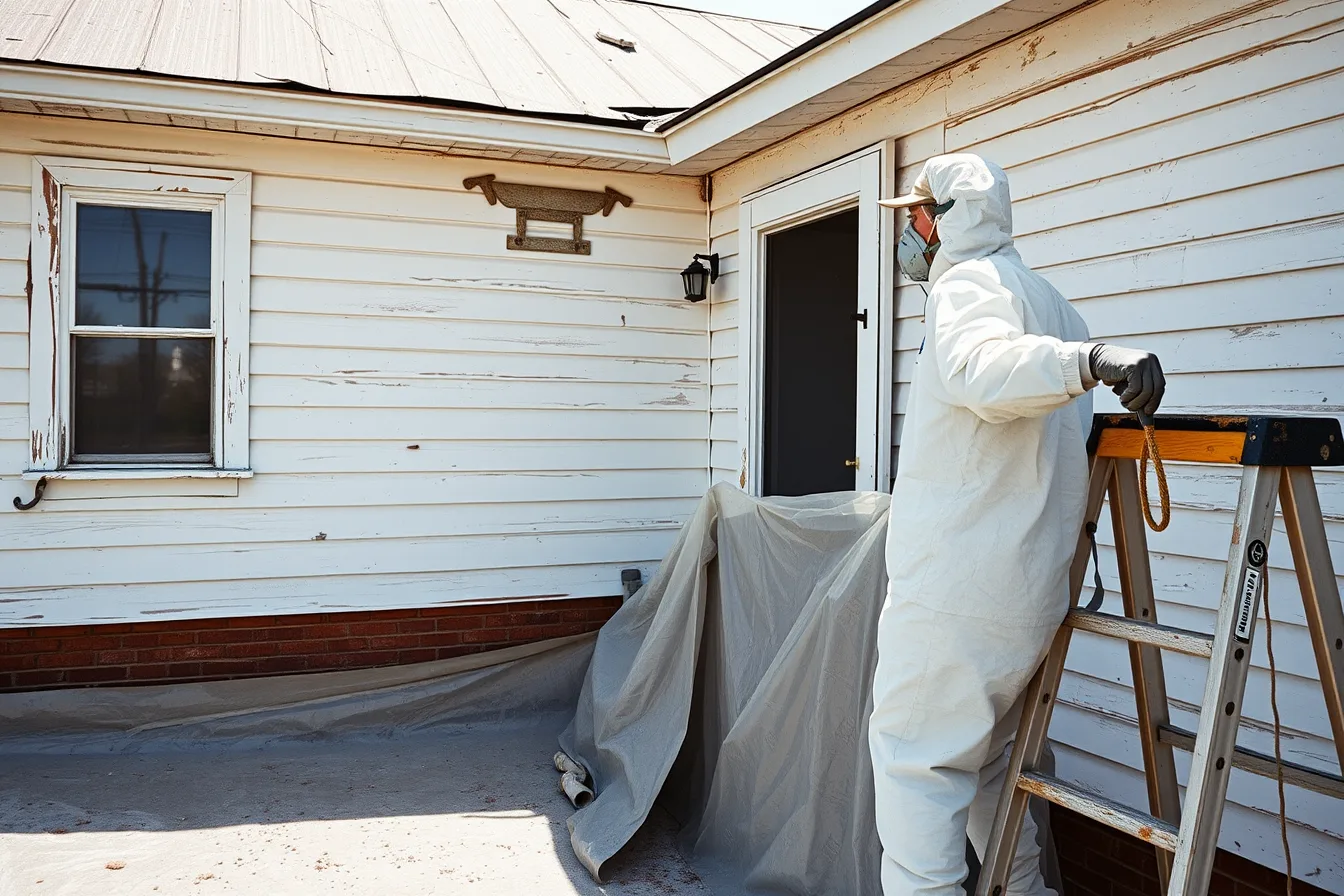
Any building painted before 1978 can carry lead paint, and disturbing it is regulated rather than optional.
The Environmental Protection Agency's renovation, repair and painting program requires firms working on such properties to be certified and to use specific work practices when paint is disturbed. It applies to contractors, not to visitors, and it is exactly the right thing to ask about, because an operator who knows the answer is running a professional site.
The question to ask: is the firm on site certified, and will any paint disturbance be happening while we are there? If the answer is yes to the second and no to the first, do not go.
The dust question
The other hazard on a live renovation is dust from cutting, grinding or drilling masonry, concrete and mortar.
That dust contains respirable crystalline silica, and the Occupational Safety and Health Administration's silica standards set out the controls employers must use: water suppression, extraction, and respiratory protection where those are not enough.
Ask what controls are in place and whether cutting will be happening during the visit. A site that stops that work while a group is present is a site that has thought about it.
Standard questions for any booking
- Total time, and how much is spent on site
- What personal protective equipment is provided, and what you must bring
- Minimum age, and whether children are permitted at all
- Group size
- What is canceled by weather, and what the refund is
- Photography, and any restriction on publishing
- Whether the owner will be present
That last one changes the value of the whole thing. An owner who did the work answers questions nobody else can.
For workshops
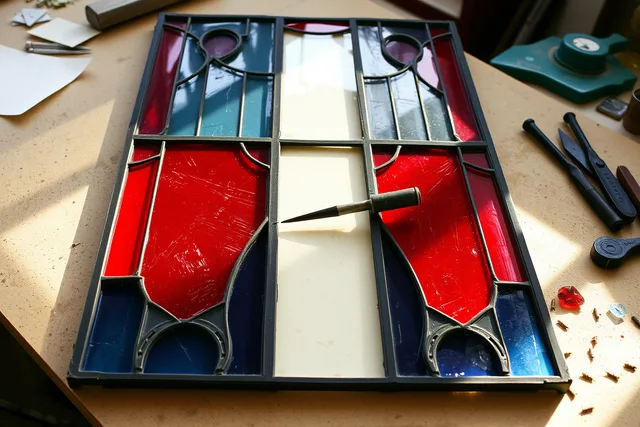
Ask what you will actually do with your hands, how many people share each bench or station, and what you take home.
Also ask what the tutor's background is. Trade experience and teaching experience are different, and the good workshops have both in the room.
Before you pay
Confirm the specifics for your date rather than the general offer. Sites change, phases finish, contractors move on.
What the work involves once you are watching it is covered in the beginner's mistakes and fixes, and the local-business side of the same projects explains who is usually paying for what you are looking at.
Common questions
Is a live site visit worth the extra hassle? Considerably. Seeing a wall opened up teaches more than any finished building.
Are children allowed? On finished buildings usually. On active sites rarely, and the limits are firm.
What should I wear? Boots, long trousers, nothing loose. Bring your own gloves. Assume you will be outside in whatever the weather does.
What if I am not told about safety at all? Treat silence as the answer. A site running properly mentions it before you ask.