Costs
Part of Motel exterior materials reviews from the ground up, updated for 2027
Three eras, one price: budgeting a motel exterior materials trip
A four-day, 400-mile motel exterior materials trip with one night in each of three eras runs about $862 for two, or $1,062 with a local specialist.
What to take away
- Three eras to sleep in1920s-1940s auto court, 1950s-1960s golden age motor court, 1970s-1980s interstate franchise.
- One night in each era at $95 runs $285, the same as three economy chain rooms.
- Driving 400 miles at the IRS 2025 rate of 70 cents per mile costs $280.
- Food for two over four days runs about $200. Admissions are $0. Contingency is 10 percent.
- Total$862 for two without a specialist, $1,062 with a half day of one.
This is the cheapest kind of architecture trip there is. Everything you came to see faces a public road, nobody sells tickets, and the buildings stay open all year.
So the money goes on two things, and one of them does double duty. Both can be priced from published federal figures instead of guessed at, which is the method worth using for any roadside trip budget.
Sleep in the subject
A motel materials trip has a rare advantage: the objects of study rent rooms.
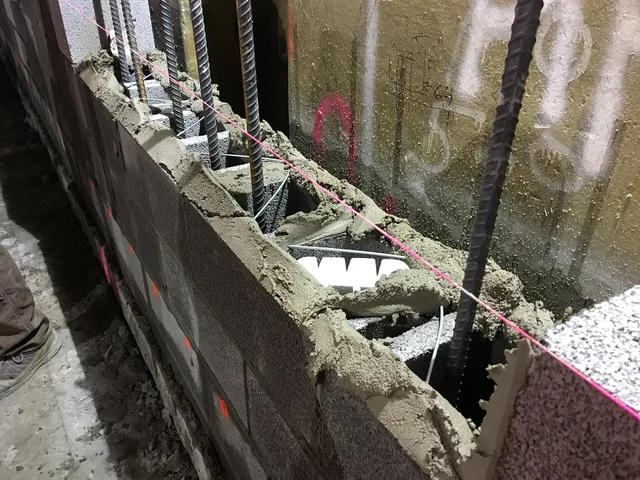
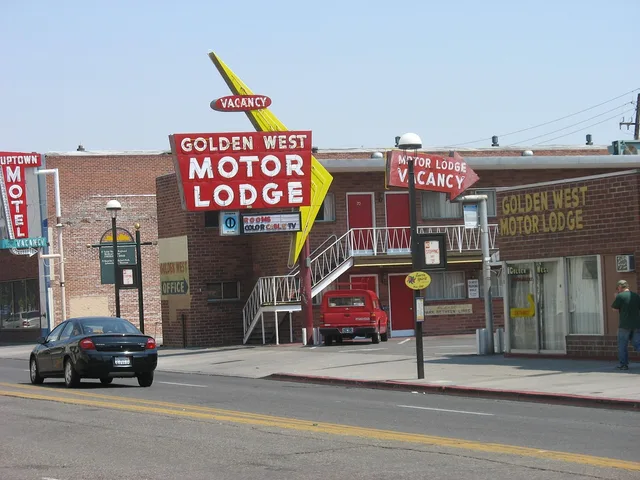
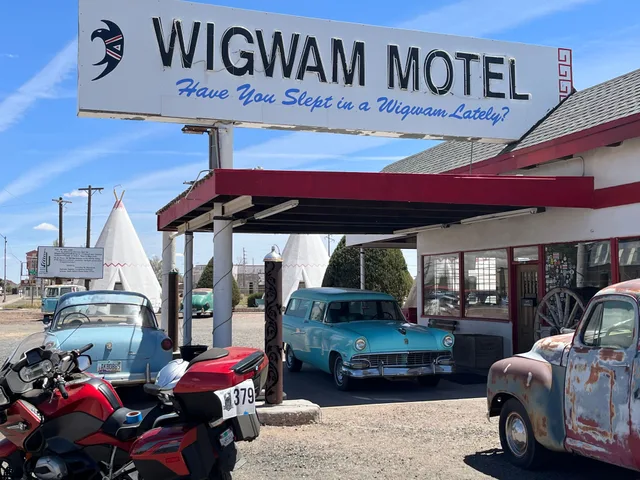
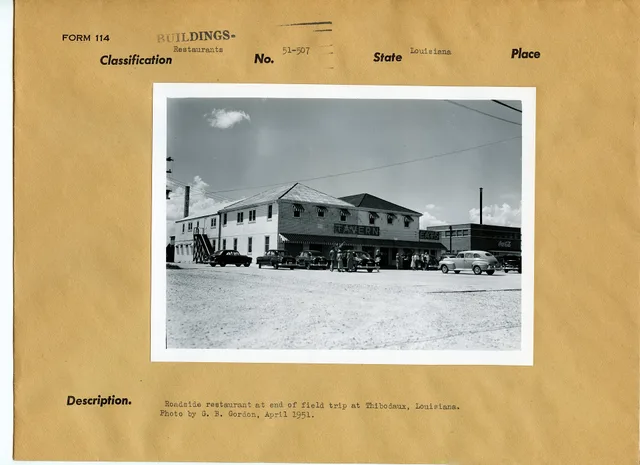
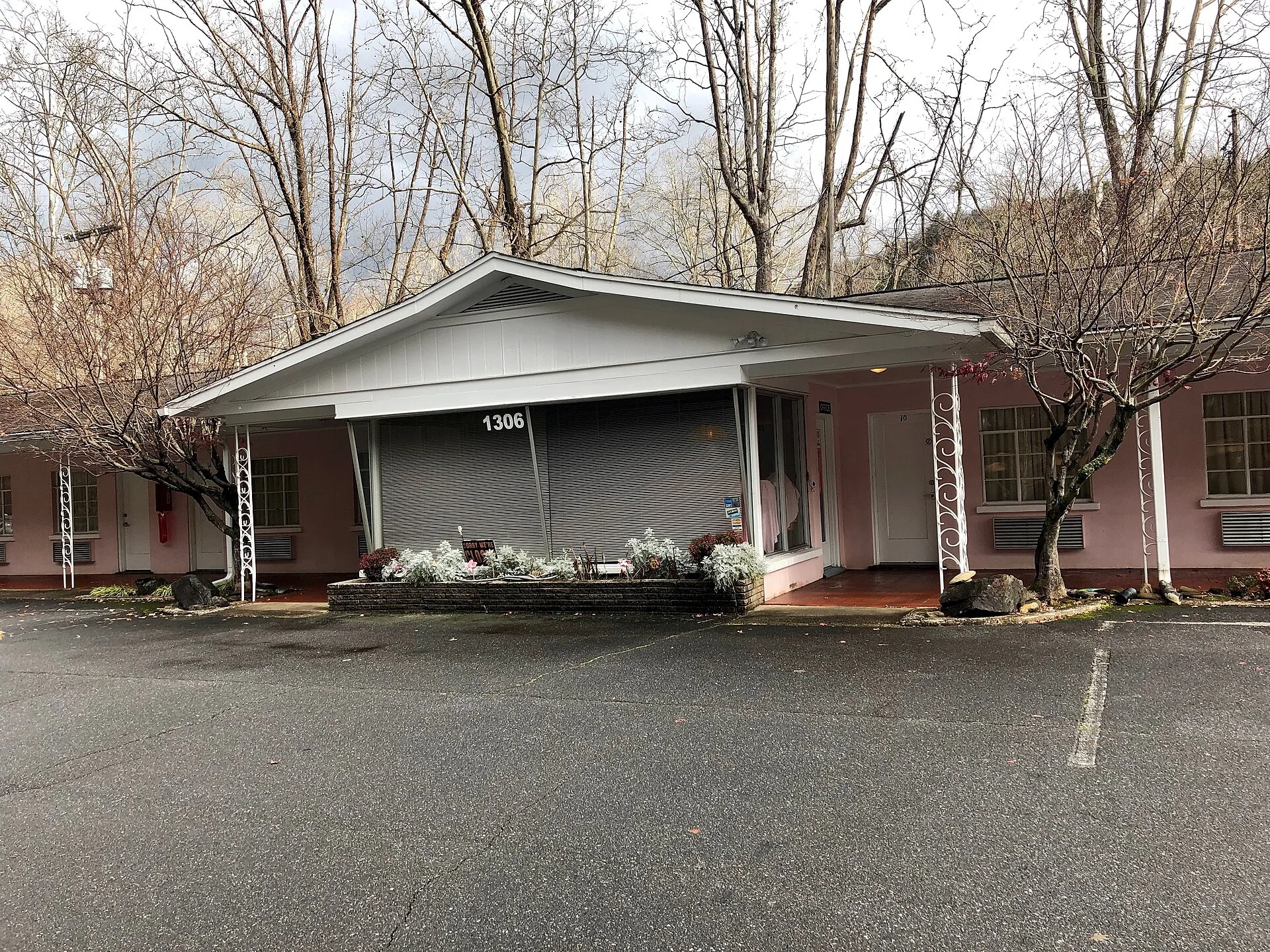
Name the three eras before you book. The 1920s-1940s auto court has separate cabins, wood frame, stucco, and Spanish Colonial Revival detail. The 1950s-1960s golden age motor court uses concrete block, brick veneer, porcelain enamel panels, neon, and a pool courtyard. The 1970s-1980s interstate franchise uses precast concrete, EIFS, mansard roofs, brown brick, and tinted glass.
Book one night in each era. At $95 a night, three nights cost $285, the same as three economy chain rooms. Restored 1950s icons can ask $150 to $250, so set a cap before you call.
Real examples: Blue Swallow Motel in Tucumcari, New Mexico, is a 1939 route motel. Sun n Sand Motel in Santa Monica, California, is a 1950s motor court. Motel 6 and Super 8 represent the 1970s-1980s franchise era. Check Booking.com, Expedia, or call the property direct.
The free half
Almost everything else costs nothing. Driving past, standing on the pavement, photographing from public ground, and reading exteriors are all free.
Where you want documented examples rather than whatever the road offers, designated properties are the reliable ones. The National Park Service's pages on National Historic Landmarks explain what the designation means and how a property is assessed. Designated properties also come with published documentation describing their fabric in detail.
The National Register of Historic Places and the Historic American Buildings Survey add free drawings and photographs. That documentation is the closest thing to a materials guidebook you will find, and it is free.
The lines that make up the budget
| Line | Budget for two, four days | Notes |
|---|---|---|
| Driving | $280 | 400 miles at the IRS 2025 rate of 70 cents per mile. GasBuddy checks pump prices. |
| Rooms | $285 | Three nights at $95, one night per era. |
| Food | $200 | About $50 a day for two. |
| Admissions | $0 | Exteriors are free. A house museum may charge $5 to $15. |
| Local specialist | $200 | Optional half day with a preservation group or historian. |
| Contingency | $97 | Ten percent of the other lines. |
| Total | $1,062 | Without the specialist, the total is $862. |
Planning the practical side
For booking mechanics and federal travel information, the government's travel pages collect official sources in one place. That helps when a trip crosses several states and you want a reliable starting point rather than a search result.
Roadtrippers and iExit help find roadside stops. Allstays lists independent motels. Telephone before relying on any particular building being as it was photographed, because properties change hands and close for renovation.
Where the money is wasted
Long drives to one famous example. Materials are comparative. Six ordinary motels on one road teach more than one celebrated building 300 miles away.
Staying somewhere modern to save twenty dollars. You lose the access, which is the point.
Fast routes. The interstate takes you past none of it.
A realistic shape
Two people, four days, roughly 400 miles, three nights in three eras. Add ordinary food, one half-day specialist if available, and ten percent contingency. Budget $862 without the specialist and $1,062 with one.
Which buildings to prioritize is covered in the materials review. The short list of equipment worth carrying costs almost nothing and changes how much you get from each stop.
Common questions
Are historic motels expensive?
Rarely. Independent properties compete on price, and the era you most want to study is often the cheapest room on the strip. Expect $75 to $120 for a night that puts you inside the material you came to read.
What if the good ones are booked?
Common in season, especially at the 1950s icons. Book the era you most want to study first and fill the other two nights around it. A weekday arrival widens the choice considerably.
Is it worth paying for a guided tour?
Where a local preservation group runs one, yes. It is usually $10 to $25 per person, and a guide who knows the corridor will point out fabric you would walk past.
Can this be done without a car?
Poorly. The subject is distributed along roads, which is what it was built for. Without a car you are limited to whatever sits within walking distance of a bus stop.