Features
Part of How to Read Roadside Architecture from the Road
Roadside architecture tips for reading what remains
Roadside architecture tips for reading old alignments, substitute materials, vanished neighbors, and the changes that make surviving places worth a closer look.
What to take away
- The road itself moved. Half of what looks like odd siting is a building left behind by a realignment.
- Much of what reads as original material is a modern substitute, and often that was the right decision.
- Look for what is missing. A surviving motel usually had neighbors that did not survive.
- Some alterations are now old enough to be historic in their own right.
First trips tend to be about the obvious: the neon, the shape, the color. All worth seeing. These roadside architecture tips begin with looking slightly to one side; once you know to look for the more interesting details, they are everywhere.
The road is not where it was
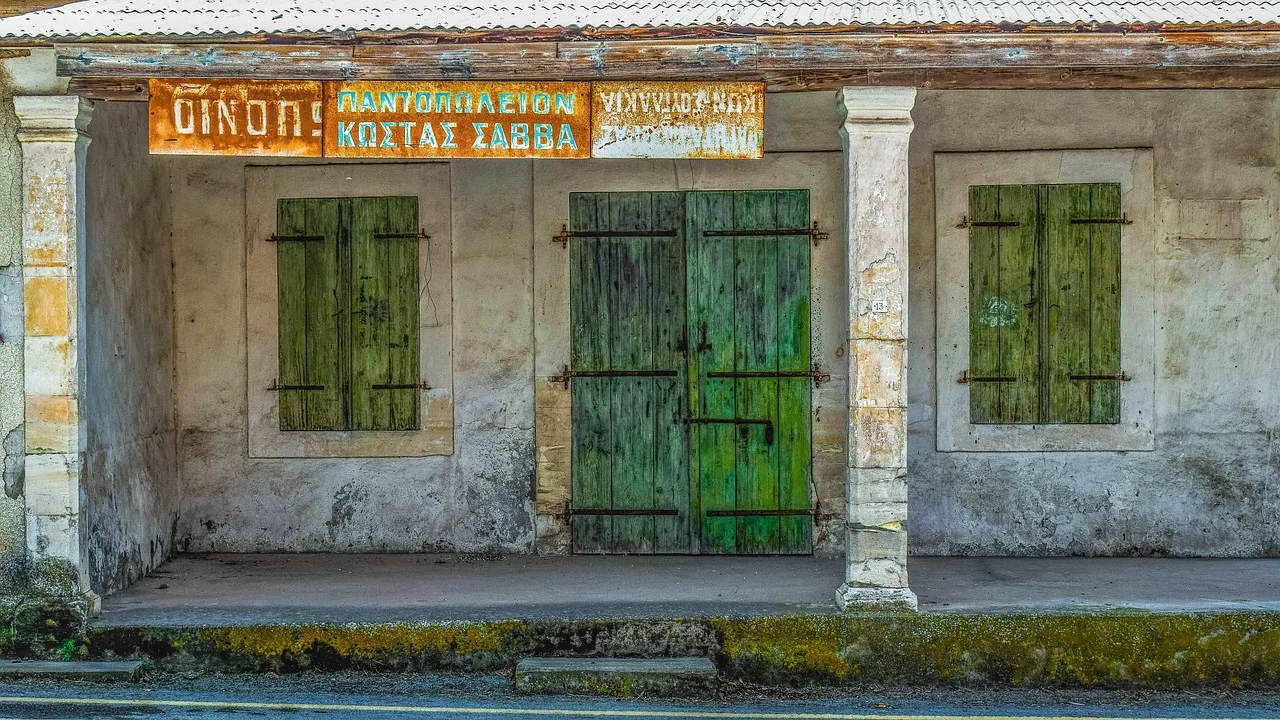
This is the big one. Highways were realigned constantly, and a building that now sits at an odd angle to a quiet frontage road was very likely square to the main road when it was built.
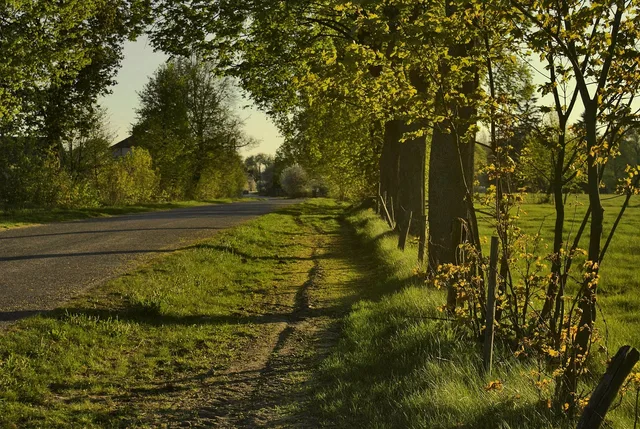
Look for a strip of older pavement running parallel to the current highway, a line of businesses facing nothing, or a bridge abutment with no bridge. Those are the traces of an earlier alignment, and they explain the siting of everything along them.
A motel stranded on a side road did not choose obscurity. The traffic left.
Materials are frequently not what they look like
Visitors assume that anything that looks like stucco, wood or terra cotta is the original. Often it is a modern substitute chosen because the original could not be sourced, could not meet code, or had already failed.
The National Park Service's guidance on the use of substitute materials on historic building exteriors sets out when that is a defensible choice and when it is not. Reading it once makes you much slower to call something fake, because you learn how narrow the alternatives sometimes are.
Look at junctions and edges. Substitutes usually give themselves away where a material turns a corner or meets a different surface.
Look for what is missing
A surviving property is almost never a survivor alone. It had neighbors.
Scan for empty lots with intact curb cuts, isolated sign poles with no sign, foundation slabs under grass, or a row of mature trees marking where a motor court once stood. The gaps tell you the corridor was denser and busier than it now looks.
This is also the honest corrective to nostalgia. What survives is a small and not necessarily representative sample.
Some alterations are themselves historic
A 1950s motel that was refronted in 1968 has a 1968 facade that is now nearly sixty years old. It may be significant. Stripping it back to an imagined original would destroy something real in pursuit of something reconstructed.
The professional framing is that a building has a period of significance rather than a single correct year. Visitors tend to want the earliest version. Preservation practice frequently does not.
Individual places have documented histories
It is easy to treat these buildings as anonymous types. Many have been researched in detail.
The National Park Service's page on the Blue Swallow Motel is a good example of what exists: a specific property with a listing history, a documented restoration and named work on its sign. Looking up a place before you visit turns a photo stop into something you can actually read.
Not every property has that. Enough do that it is worth checking.
The businesses are the point
A working motel or diner is not a museum exhibit with staff. It is a business with margins, and its survival depends on customers rather than on admirers.
The most useful thing a first-time visitor can do is stay a night, eat a meal, and say what brought them. Owners of these places are frequently unaware that anyone values the building, and hearing it changes what happens at the next renovation.
The method behind all of this is in the field guide, and how to photograph what you find covers the frames worth taking once you know what you are looking at.