Features
Roadside preservation budget notes: log unknowns before numbers
Roadside preservation budget notes that log every unknown, date each photo and reply, and rank gaps before any dollar figure enters a 2027 estimate.
What to take away
- Write the unknown register first, before any dollar figure, so the 2027 roadside preservation budget notes describe gaps rather than guesses.
- Rank every unknown by possible cost swing and by how weak the supporting evidence is.
- Date each note, photo, and written reply so roadside project cost records can be checked later.
- Run preservation budget verification as its own step before an estimate leaves your desk.
Build the unknown register first
A budget note is a dated statement of what you do not yet know. For a 2027 project, open one file and give each unknown an ID, a location, a date, and a source. Leave the price column empty. This is the unknowns before numbers method, and it keeps the first estimate from hardening too early.
Use a simple table so the register stays readable.
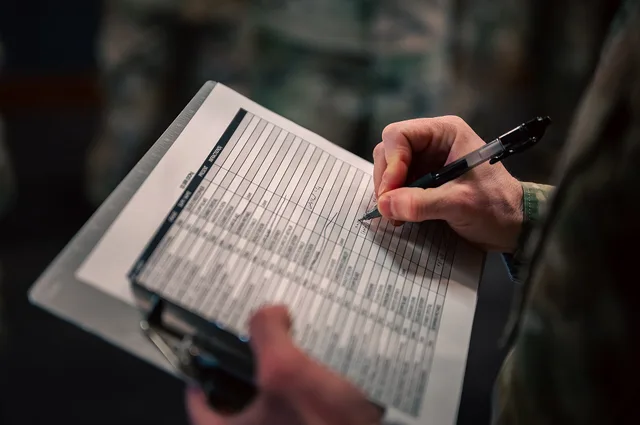
| Unknown ID | Location | What is unknown | Evidence needed |
|---|---|---|---|
| U-01 | Motel sign cabinet | Tube count and transformer condition | Site photos, electrician note |
| U-02 | Station canopy | Rust under the fascia | Ladder inspection, probe notes |
| U-03 | Diner facade | Original porcelain enamel color | Paint scrape, archive image |
A roadside architecture scope checklist starts with that table, not with a supplier quote. The table forces you to name the gap.
Rank by cost swing and evidence gap
Not every unknown deserves the same attention. Give each one two scores from one to five. The first score is the possible cost swing if the unknown turns out badly. The second is the size of the evidence gap.
An unknown with a high swing and a wide gap moves to the top. An unknown with a high swing but strong evidence can wait for a written confirmation. This ranking keeps the register short and useful.
If the register keeps growing without a decision rule, the pattern in these roadside architecture mistake budget notes will look familiar, and they explain how editors avoid false cost certainty. Read them before you lock the scope.
Dated evidence trail for roadside project cost records
Every row needs a date and a source. A photo without a date is weak. A verbal comment is weaker. Write the date, the person, and the file name in the same line.
Check dates against the project calendar. A 2027 scope built on 2019 photos may describe a building that no longer exists in that form.
Owners who skip this step repeat the modern roadside design mistakes that add scope gaps and untracked changes. That list is worth reading before you price anything.
Lighting is the clearest test case. These roadside lighting budgets show why fixture schedules, controls, and maintenance belong in separate dated placeholders.
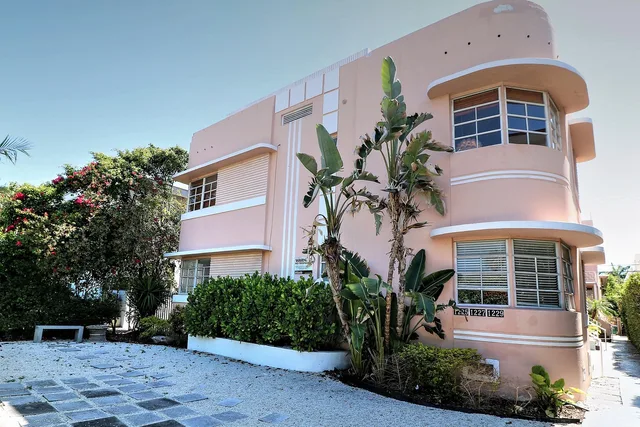
The NPS preservation brief on neon signs documents period color palettes for diners and other roadside architecture. Use it to date a color note instead of guessing at a hue.
A cost line without a date and a source is a guess with a number attached.
Example: motel sign intake in three steps
- Photograph the cabinet, the tube ends, and the transformer on the same day, and put that date in each file name.
- Request a written tube count from a sign shop, and log the request date even if no one replies.
- Rank the unknown by cost swing, then by evidence gap, and move it up or down the register.
For a historic motel, NFPA 101 sets fire safety requirements for existing buildings and may require upgrades. Record that as an open unknown, not a fixed line.
Before a motel scope is signed, these historic motel restoration safety warning signs help writers catch unsupported hazard claims and wording that needs a qualified reviewer.
Preservation budget verification checklist
- Each unknown has an ID, a location, and a date.
- Each row names the evidence still missing.
- Each photo file carries a date and a photographer.
- Each outside reply is saved with the request date.
- No dollar figure appears before the ranking step.
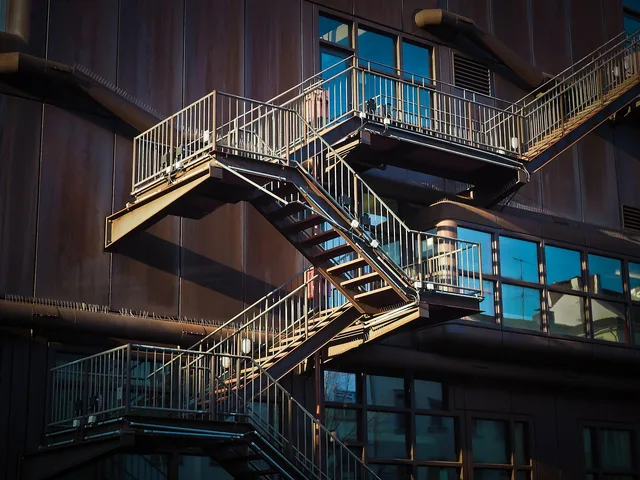
Canopy work often needs ladders, and OSHA 1910.23 covers fall protection, so log the access method as a cost unknown before inspection day.
Keep the register open through 2027 preservation budget planning. New evidence closes rows, and closed rows become the backbone of the final estimate.