Features
How restoration shops source replacement neon tubing for historic signs
A plain guide to buying straight glass, electrodes and transformers for historic neon signs, bending on the original pattern, and crating tubes for shipping.
What to take away
- Replacement tubing is bought as straight stock in four foot lengths, usually 8 mm to 15 mm, from neon glassworks or from old sign shop inventory.
- Bent glass is rarely reused. Electrodes, transformers, sockets and pattern drawings are the parts worth buying and keeping.
- Bending, bombarding and gas filling are separate steps, and most museums send tube work to a local shop.
- Crating and hauling decide whether a finished tube reaches the wall, so plan transport before bending starts.
Who sells replacement tubing and electrodes
Restoration shops order three things: straight glass, electrodes and transformers. Old bent tubing from a dead sign is usually skipped, because contaminants inside the glass spoil the gas fill. Straight stock and hardware are what keep moving between shops.
Straight glass ships in four foot lengths with outside diameters from 8 mm to 15 mm. Roadside signs from the 1940s through the 1960s commonly used 10 mm, 12 mm or 15 mm tubing. Catalog names still circulating in the trade include Voltarc and EGL.
Electrodes are iron cups coated with an emissive oxide and spliced to the tube on a glass stem. They are sold by diameter, so a 12 mm tube takes a matching electrode. Sign distributors such as N. Glantz & Son and Grimco stock electrodes and transformers.
A sealed tube holds neon, argon or argon with mercury at low pressure. Technical articles on glass tube fabrication and electrical requirements explain why transformer size and tube length must be matched.
Sourcing old stock from salvage yards and estate sales
New glass covers most colors, but discontinued shades and odd diameters send buyers hunting. Closed sign shops, estate sales and salvage yards still hold boxes of straight tubing, electrodes and transformers. Ask for pattern boards as well as glass.
Rust Belt buyers often start with Pittsburgh diner salvage yards, where booths, neon components and station fixtures sit near enamel repair craftspeople and hauling options.
Example: matching a discontinued blue on a 1955 sign
Two routes exist when the original color is gone. A shop can bend clear glass and coat it with phosphor, or hunt remaining stock of colored tube. The National Park Service brief on neon signs lists period color palettes for diners and other roadside architecture.
Where nothing matches, the same preservation literature covers guidance on restoring neon and compatible replacements, which helps a shop defend the change in writing.
Bending new tubes on the original pattern
A bender works from the pattern, never from a photograph.
- Trace or tape the original tube on a pattern board and mark every bend, offset and the overall length.
- Heat the glass over a crossfire burner, turning it steadily until it sags, then pull the bend by hand or with a jig.
- Chase the bend with a hand torch and blowhose so the wall does not collapse.
- Cut to length with a hot wire or a score and break, then fire polish the ends.
- Splice electrodes, mount the tube on a manifold and bombard it.
Bombarding pulls a vacuum through the tube while heat and current drive off impurities. Neon or argon then enters at low pressure, and the tube is tipped off and sealed. Transformers, sockets and standoffs are ordered at the same time.
Electrode failure, not broken glass, retires most tubes on roadside signs. That is why buyers chase electrodes and transformers before they chase color.
Straight stock versus salvage
Buy new
- Straight glass tube
- Yes, 8 mm to 15 mm
- Electrodes
- Yes, matched to diameter
- Transformers
- Yes
- Bent glass
- No
- Pattern drawings
- No
Hunt in salvage
- Straight glass tube
- For discontinued colors
- Electrodes
- Rarely worth the risk
- Transformers
- For static display only
- Bent glass
- Yes, as a bending pattern
- Pattern drawings
- Yes, copy and archive
Moving fragile tubes, electrodes and patterns
Finished tubes travel in crates with cardboard sleeves, foam at the electrode ends and a wooden spine. Anything over four feet goes by freight rather than parcel, and the crate is marked as glass on every side.
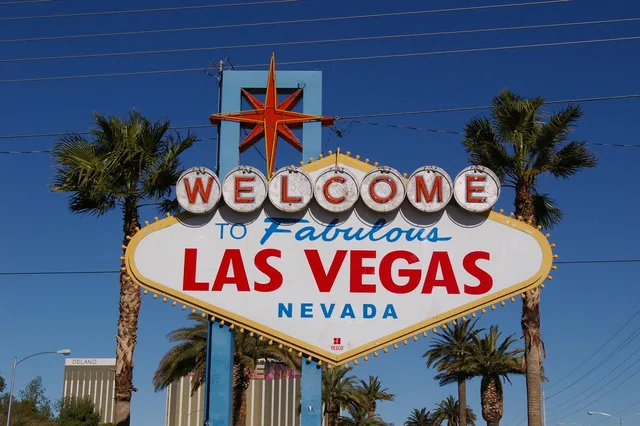
At a museum, care continues after delivery. The Neon Museum in Las Vegas works from a collection of more than 200 signs, including the Moulin Rouge and Silver Slipper pieces. Signs built by YESCO fill much of the Neon Boneyard.
Once a sign arrives, museum conservation and storage keeps unlit metal, glass and paint stable until new tubing can be made. Desert heat damage is another repair the same shops handle.
Photograph the face, sockets, transformers and pattern before anything is cut. Interior jobs such as winter diner interior documentation in Illinois and Minnesota need their own plan, because low sun, building heat and tight access change how a crew shoots and surveys.