Guides
Part of Gas station preservation mistakes to avoid before you start work in 2027
How to build 2027 gas station preservation mistake records owners can trust
Build 2027 gas station preservation mistake records that separate current facts, history, supplied copy, open questions, corrections, and review dates.
Good records prevent a historical detail, a site question, or a sponsor statement from quietly becoming a false public claim. Build a small editorial file that shows where every important sentence came from and who can correct it.
What to take away
- Keep current property facts separate from historical context.
- Mark owner and sponsor text as supplied material.
- Assign an owner and review date to every open question.
- Retain the source behind a public statement while it remains online.
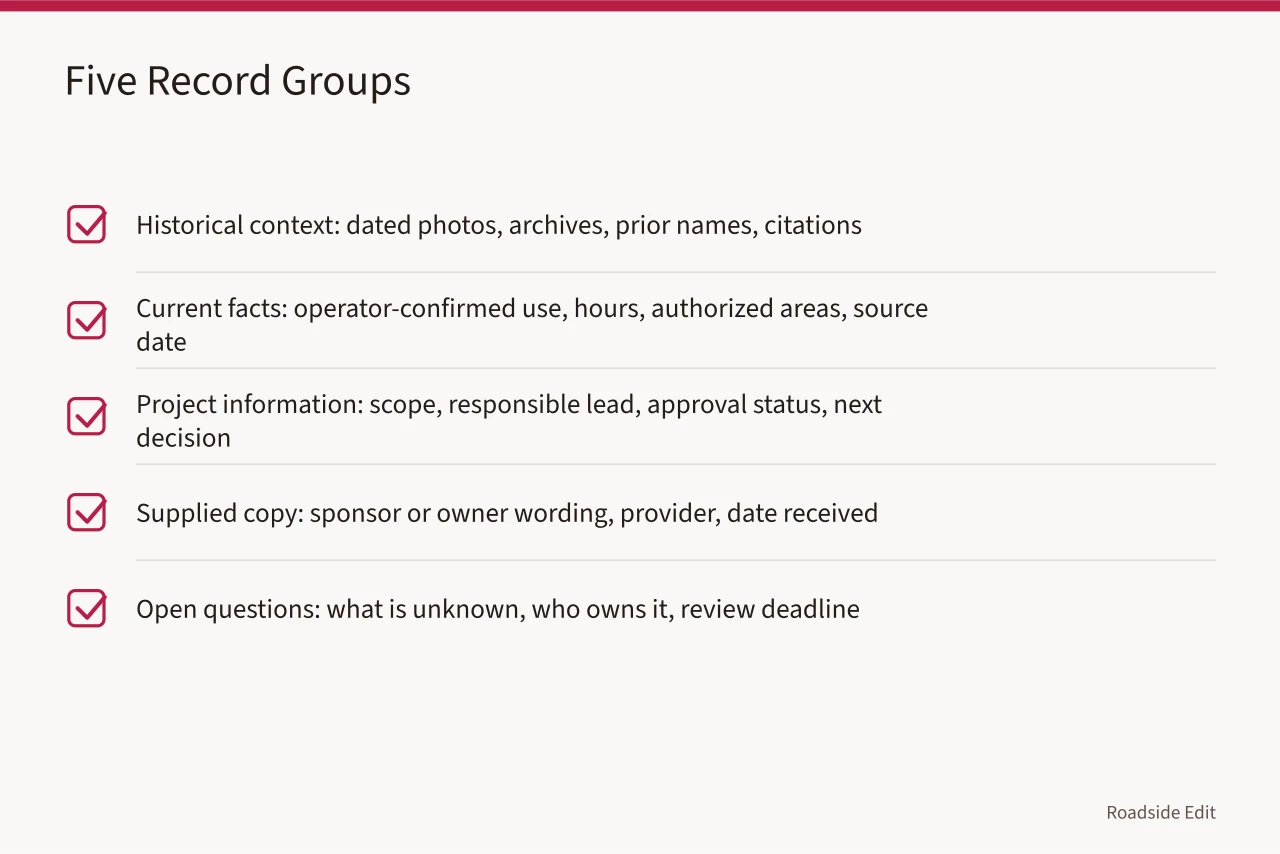
Use five record groups
| Record group | Include |
|---|---|
| Historical context | Dated photos, archival documents, prior names, and citations |
| Current facts | Operator-confirmed use, hours, authorized areas, and source date |
| Project information | Scope, responsible lead, approval status, and next decision |
| Supplied copy | Sponsor or owner wording, provider, and date received |
| Open questions | What is unknown, who owns it, and review deadline |
EPA's local brownfields leadership guide describes planning reuse with community and public-health context. It supports keeping project planning and public communication accountable. It does not confirm a particular former station's condition, remedy, or reuse approval.
Keep a claim log
For every changing sentence, retain the exact public wording, source, date checked, scope, editor, and correction contact. If a source stops supporting the sentence, change the sentence promptly. Do not overwrite the history of a correction in the private editorial record.
Add a simple status field: current, awaiting confirmation, replaced, or withdrawn. A status field makes it possible to search older pages before an event, ownership change, or new reuse phase. It also helps a publisher identify language that needs a current source instead of relying on a previous article.
Handle paid placements carefully
Payment can support a profile, event notice, or advertisement. It cannot purchase an unverified safety statement, a preservation label, or deletion of an accurate qualification. Attribute supplied information and retain the date it was confirmed.
Give each record a precise job
The National Archives' records-management overview explains why organizing records matters: so they can be found and used.
A publishing file should make that practical. Label the item, source, date, property or project scope, and exact sentence it supports.
That way, an editor can tell whether an image establishes a past appearance, an owner statement describes a current proposal, or a correction changed a confirmed fact.
Original material still has a limited role. The National Archives explains how primary sources work. A contemporaneous document can be direct evidence for the question it addresses, but it need not prove every later conclusion. Keep a 1927 photograph with a historical claim; do not use it to state the current condition, occupancy, or approval status of a different property.
The disclosure file should stay beside submitted commercial copy. The Federal Trade Commission's endorsement guidance addresses material connections that may affect how readers evaluate an endorsement. A plain disclosure allows an operator to give useful information without confusing that contribution with independent reporting.
When a record is incomplete, name the gap. A missing permit does not prove that no approval exists. A missing invoice does not prove that no work was performed. The page should simply avoid saying more than the available record shows, assign the question to a responsible person, and set a review date.
Use the correction log to protect historical accuracy: record the sentence on the page, the source that prompted an update and the date checked, and the narrower replacement sentence.
A reader need not see every internal note, but an editor should reconstruct why the wording changed. This approach prevents a current correction from erasing useful historical context.
For multi-person projects, establish a handoff rule. The writer records what was observed or sourced. The project contact confirms only facts within that person's knowledge. The editor decides the public wording and notes unresolved questions. This division helps a small team avoid a common mistake: treating an unreviewed supplied claim as though it were a verified project result.
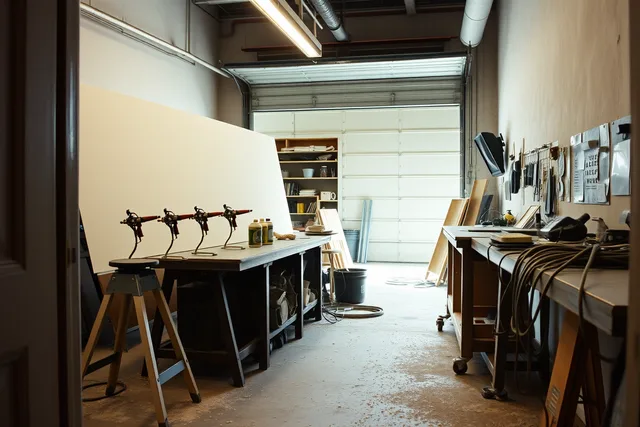
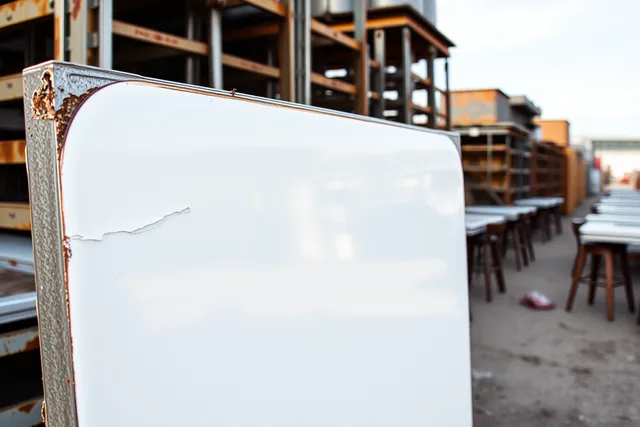
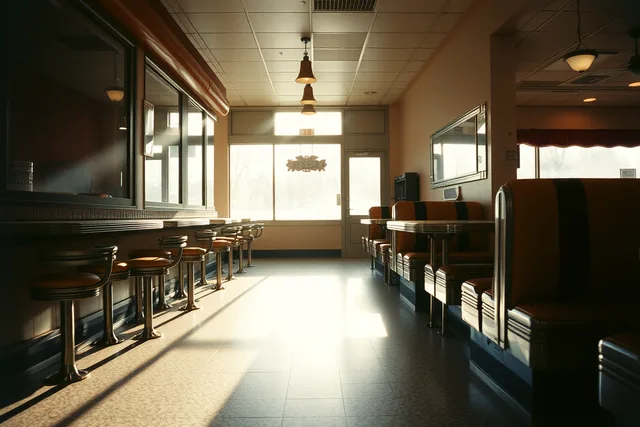
The image is illustrative and does not prove current conditions at another property.
Common questions
Should historical images be deleted after a correction?
No. Keep them labeled as historical context and correct any current claim that relied on them too broadly.
Who approves a public correction?
The publisher owns its wording; the responsible property contact confirms facts within their authority.
What if nobody can confirm a claim?
Remove it or narrow it until an appropriate source exists.