Guides
Part of Motel exterior safety checklist: what to record before you decide to stop
Motel exterior safety checklist: how to document warning signs in 2027
Motel exterior safety warning signs for 2027 help U.S. readers document visible changes, weather context, evidence limits, and escalation paths.
A warning sign in an editorial record is a visible change that deserves a responsible question. It is not a technical finding. The safest note names what can be seen, explains its limit, and tells the reader who should decide the next step.
What to take away
- Record changing conditions with date, weather, area, and viewpoint.
- Do not expose yourself to weather, height, traffic, or restricted access to get a closer view.
- Use exact wording: visible, apparent, unverified, and awaiting responsible review.
- Keep urgent concerns out of ordinary content production.
Warning-sign record
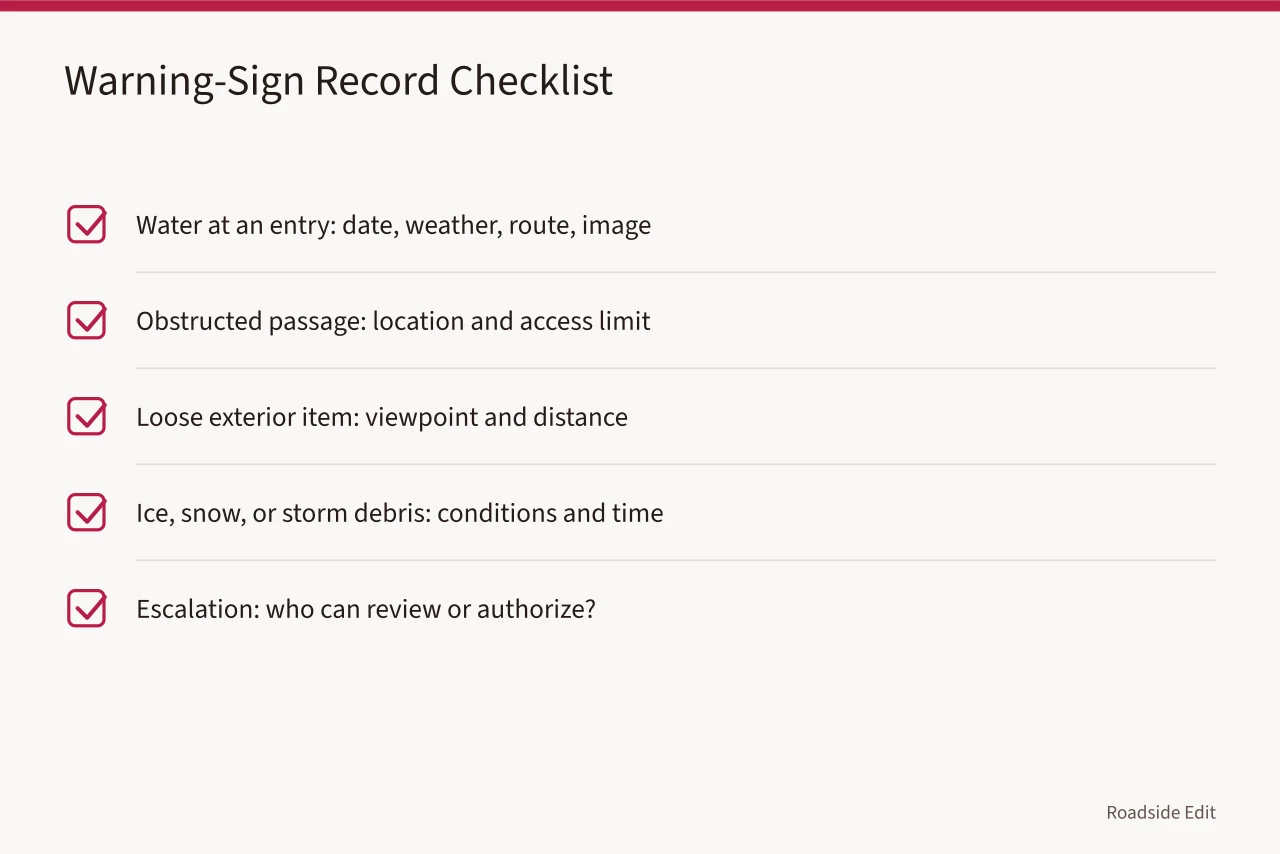
| Visible change | Record | Escalation question |
|---|---|---|
| Water at an entry | Date, weather, route, image | Who can review the route? |
| Obstructed passage | Location and access limit | Who controls the barrier? |
| Loose-looking exterior item | Viewpoint and distance | Who can authorize qualified review? |
| Ice, snow, or storm debris | Conditions and time | Is the route available for use? |
CDC notes that outdoor workers face hazards that vary by work type, region, season, and time outside. Read CDC's outdoor-worker guidance. This is worker-safety guidance, not a motel rating system. It supports the practical recordkeeping habit of noting weather and exposure rather than assuming the same exterior conditions exist on every visit.
The Occupational Safety and Health Administration requires workplaces to keep walking-working surfaces clean, orderly, and sanitary and to maintain them in a safe condition. See OSHA's walking-working-surfaces standard. It does not let an editorial article evaluate a named motel remotely. It does support separating a visible route observation from a formal safety conclusion.
Stop instead of speculating
Do not convert an apparent issue into a claim about safety, cause, or repair. A route that looks slippery may be wet, icy, or affected by something an image does not show. An elevated feature may look loose while remaining inaccessible for a closer observation. The correct editorial response is a dated note and responsible escalation.
If a person perceives immediate danger, they should contact the relevant emergency or responsible service rather than continuing an observation. Do not photograph people in a sensitive event, interfere with site operations, or publish unconfirmed claims while a situation is active.
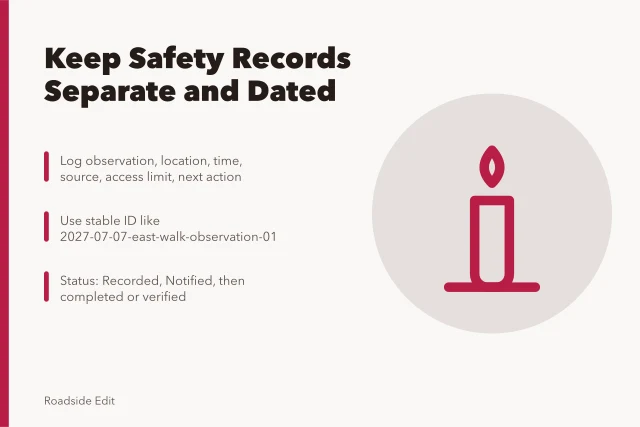
Keep a brief handoff record. Note date, place, visible fact, access limit, person or service contacted, and whether a response came.
The National Archives explains records management as the control of information created or received during activity. Read National Archives records-management basics. A handoff note preserves the editorial boundary without pretending to resolve the question.
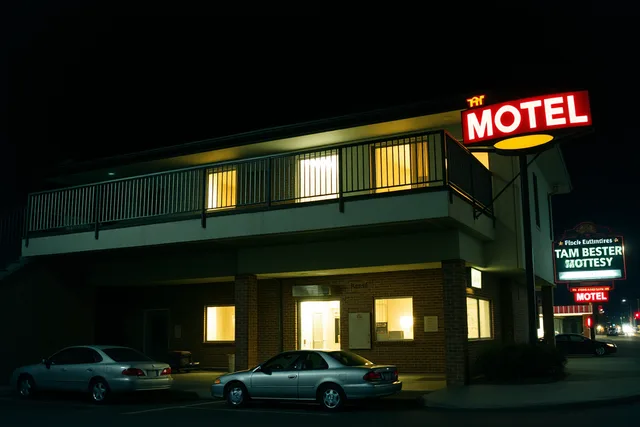
Source image
Keep commercial language out of the finding
A provider may submit an update, inspection offer, or service description. Keep its author and date, but do not treat it as independent proof that a condition exists or an option is suitable.
The Federal Trade Commission says advertising made to resemble independent content should be recognizable as advertising: See the FTC native-advertising guide. A clear label gives readers the information they need to interpret the statement.
Use a defined stop rule
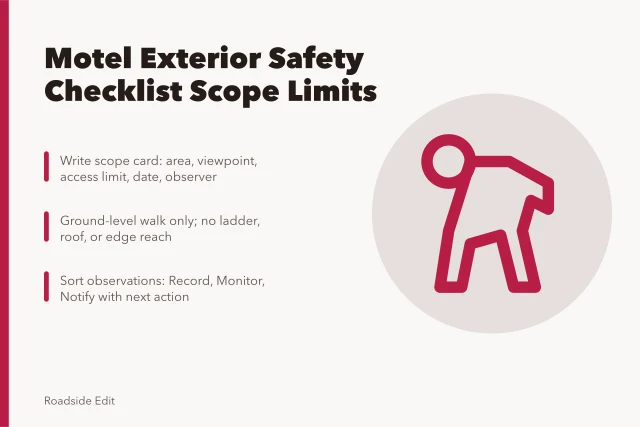
Set the boundary before gathering an observation. Stop when the route becomes restricted, weather prevents a safe view, the question concerns equipment or material that cannot be assessed visually, or the next action would require permission. A careful record can say why the observation ended. It should never suggest that an editor completed an inspection merely by taking several photographs.
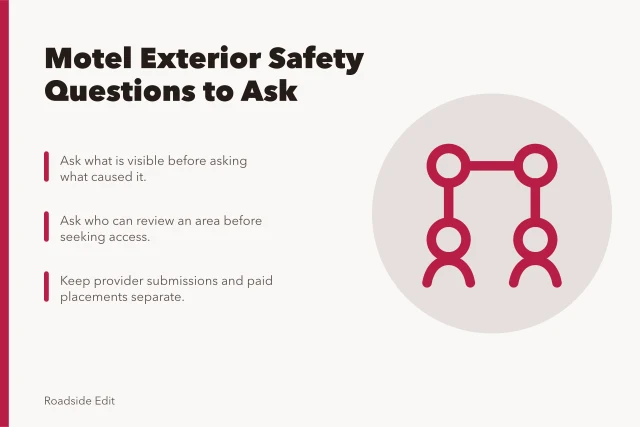
For each stop, write one follow-up question. "Who can review the entry route?" is more useful than a general claim that a route is unsafe. "What is the current status of the loose sign?" is more accurate than announcing a repair need. The question preserves the visible concern and gives the responsible party a clear starting point.
Review active records promptly
Some observations lose relevance quickly because weather, access, or operations change. Add a review date to any active note and update it when a responsible response is received. If no response is available, retain that fact rather than inventing an outcome. This simple step keeps a safety article from quietly presenting an old image as a current status report.
Common questions
Does a warning sign prove a hazard?
No. It preserves a visible fact that may require responsible review.
Should an editor enter a closed area to confirm a condition?
No. Record the access limit and ask the responsible party about an appropriate review.
Why include weather in the note?
It gives later reviewers context without claiming what caused a condition.