Guides
Part of Neon sign restoration maintenance plan: how owners keep records that hold up
Neon sign restoration care: 7 warning signs owners should catch before 2027
Neon sign restoration care warning signs for 2027 help U.S. owners record visible changes, protect visitors, preserve evidence, and seek proper review.
An unusual neon sign draws attention before anyone knows what changed; a letter may look dimmer and a component may appear loose. A visitor may report an unfamiliar sound, a damaged enclosure, or a blocked approach.
Make a good record and use the right handoff. Do not diagnose equipment, touch a sign, or announce a restoration result.
What to take away
- Record the visible condition, place, date, and observer before suggesting a cause.
- Keep visitors clear of a concern and follow the owner or site manager's process.
- Preserve original images and records instead of replacing them with a later version.
- Separate historic-care questions from electrical, structural, access, and public-information questions.
Warning sign: the description jumps from appearance to cause
"The sign is failing" sounds tempting, but it is rarely an observation. A useful report says what a person could see or hear.
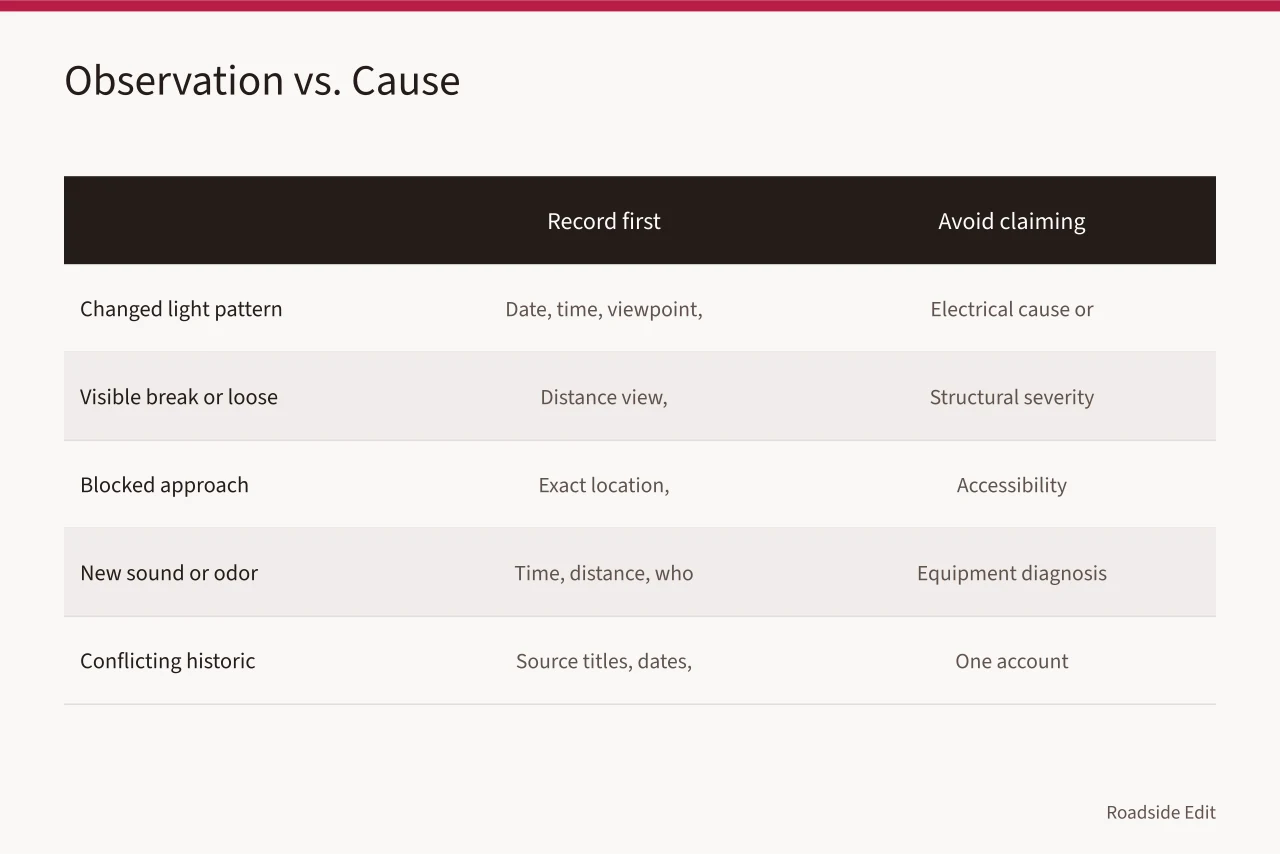
It notes a letter was not lit at a stated time, a visible part looked changed, a pathway was blocked, or an area was marked off. It does not decide why that happened or whether the condition is dangerous.
| What is observed | Record first | Avoid claiming |
|---|---|---|
| A changed light pattern | Date, time, viewpoint, and photo identifier | Electrical cause or repair need |
| A visible break or loose-looking piece | Distance view, weather, and nearby activity | Structural severity |
| A blocked approach | Exact location and temporary route information | Accessibility compliance |
| A new sound or odor | Time, distance, and who was notified | Equipment diagnosis |
| Conflicting historic descriptions | Source titles, dates, and the disagreement | That one account is necessarily correct |
This distinction makes a report more useful to a qualified reviewer. It also keeps a publisher from turning a visitor's account into a fact about a business, property owner, or historic feature.
Warning sign: people are being asked to inspect energized equipment
Care for a historic sign has limits. Staff, volunteers, writers, and visitors should not open an enclosure, alter wiring, climb, test equipment, or handle a damaged component to obtain a better story. If a visible condition calls for a temporary boundary or access change, use the responsible site's instructions and record the action taken.
OSHA provides workplace information about electrical safety hazards. Review OSHA's electrical safety guidance. It does not assess a particular neon sign or tell a property owner what repair to perform. It supports the narrower point that electrical concerns require an appropriate safety process rather than an untrained inspection for a web article.
In the public-facing copy, state only the visitor instruction supplied by the responsible party. Do not promise an opening date or say the sign is safe, repaired, or under a particular review unless a direct current record supports those words.
Warning sign: the record has been overwritten
The first image, note, or visitor report can be important even after new information arrives. Save the original file, source URL, date, and caption. Add later images as later records. Do not edit an older image caption to make it describe a new condition.
The National Archives discusses handling and storage considerations for photographic materials. Read the National Archives guidance on maintaining photographs. In this setting, the relevant editorial lesson is simple: preserve a dated image and its descriptive information so later reviewers can distinguish original evidence from a later observation.
Use a short record format:
- Name the sign feature or location without guessing at its technical cause.
- Record the observation date, source, and any safe viewing location.
- Identify the person or organization notified.
- State the temporary visitor instruction, if one was given.
- Mark the issue open until a documented response says otherwise.
This approach is particularly useful for a sign included in tourism content, a local history piece, or a business listing. The article can be honest about the record without making the property sound neglected or unsafe.
Warning sign: historic terms are being used as a repair conclusion
Words such as "preserved," "restored," "rehabilitated," and "reconstructed" describe different treatment ideas. They should not be used as casual synonyms for any work performed on a sign. Before using one, ask what feature was involved, what existing condition was documented, who performed the work, and whether a completion record describes the result.
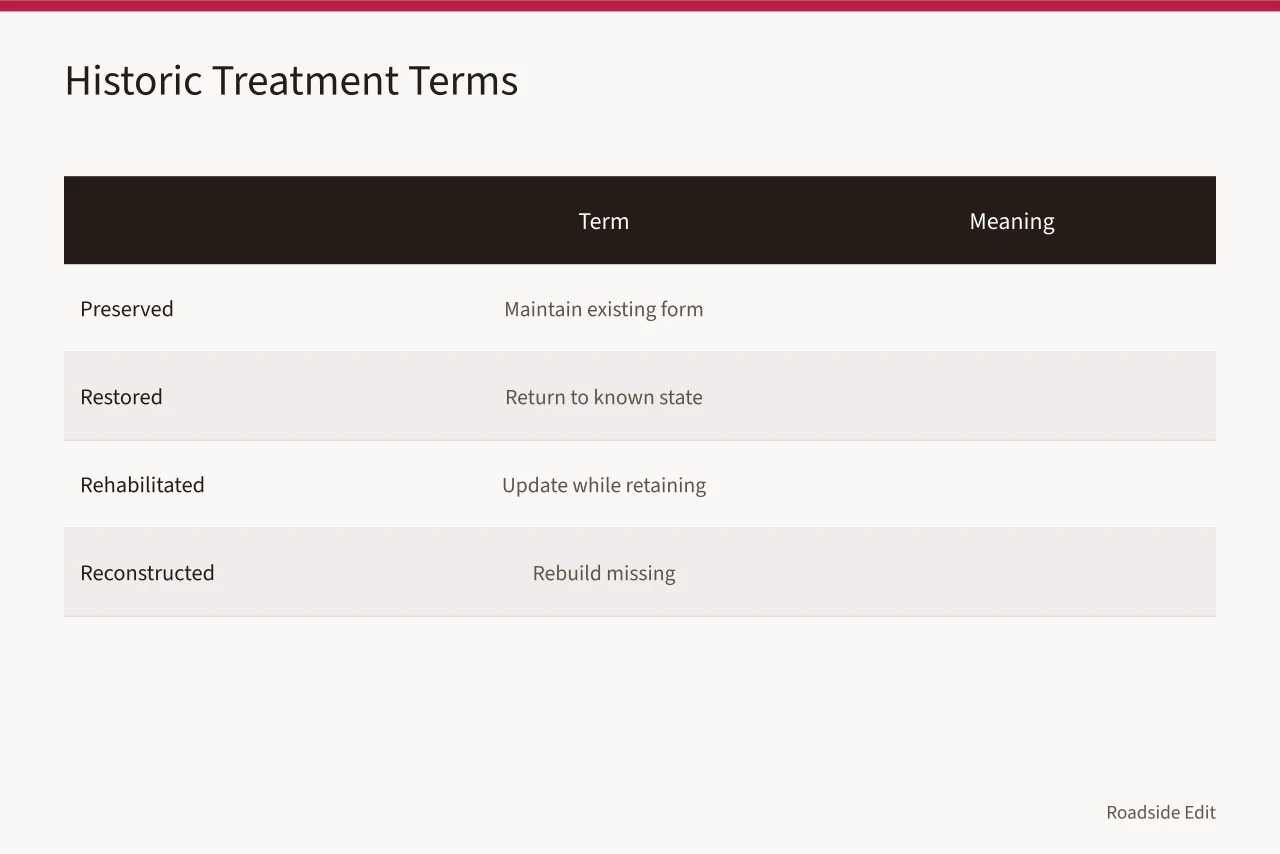
The National Park Service describes preservation, rehabilitation, restoration, and reconstruction as distinct treatment approaches for historic properties. Read the NPS treatment standards. The page can explain the vocabulary. It does not establish that a named neon sign received any one treatment, met a standard, or completed a review process.
Provider information should follow the same rule. A shop may state its service or project role. Attribute the statement. Do not convert it into a conclusion about the condition of the sign, the quality of work, or the result for a current visitor.
Warning sign: the source cannot be traced
Historic claims often accumulate through copied captions, social posts, and directories. Ask where the statement came from, when it was created, and what exact feature it identifies. A page about a route or town may add context but may not confirm a sign's construction date, ownership, original location, or current use.
The National Park Service's documentation standards emphasize reliable sources and stated limitations in preservation documentation. Use the NPS documentation standards as a record model. For an article, record the source title, date, and scope beside a meaningful historic claim. If the source does not identify the sign, write only that it discusses broader context.
When two accounts conflict, do not erase one to make a smooth story. State the record date and scope of each, seek a more direct source, and narrow the public wording until the difference can be resolved.
Warning sign: an illustrative image is being made to prove current facts
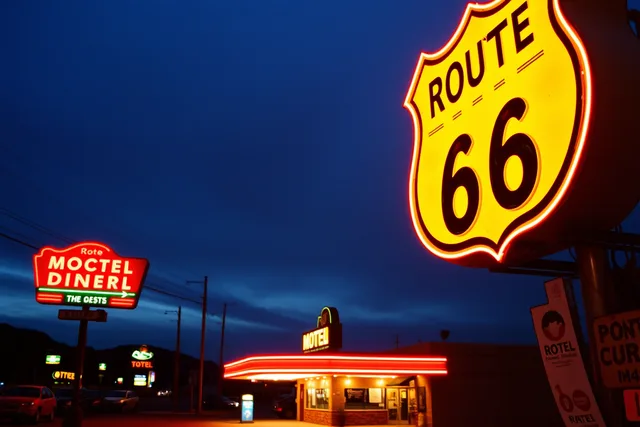
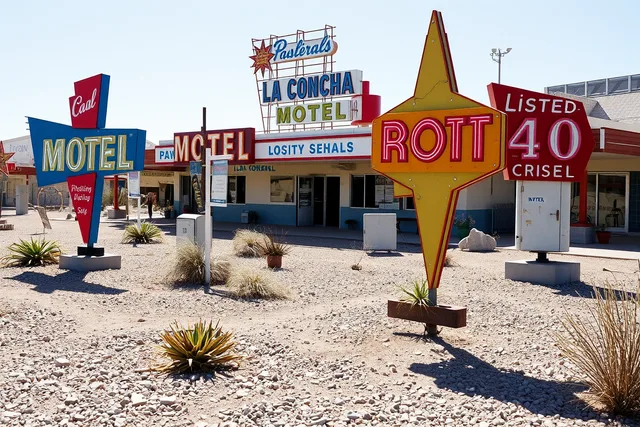
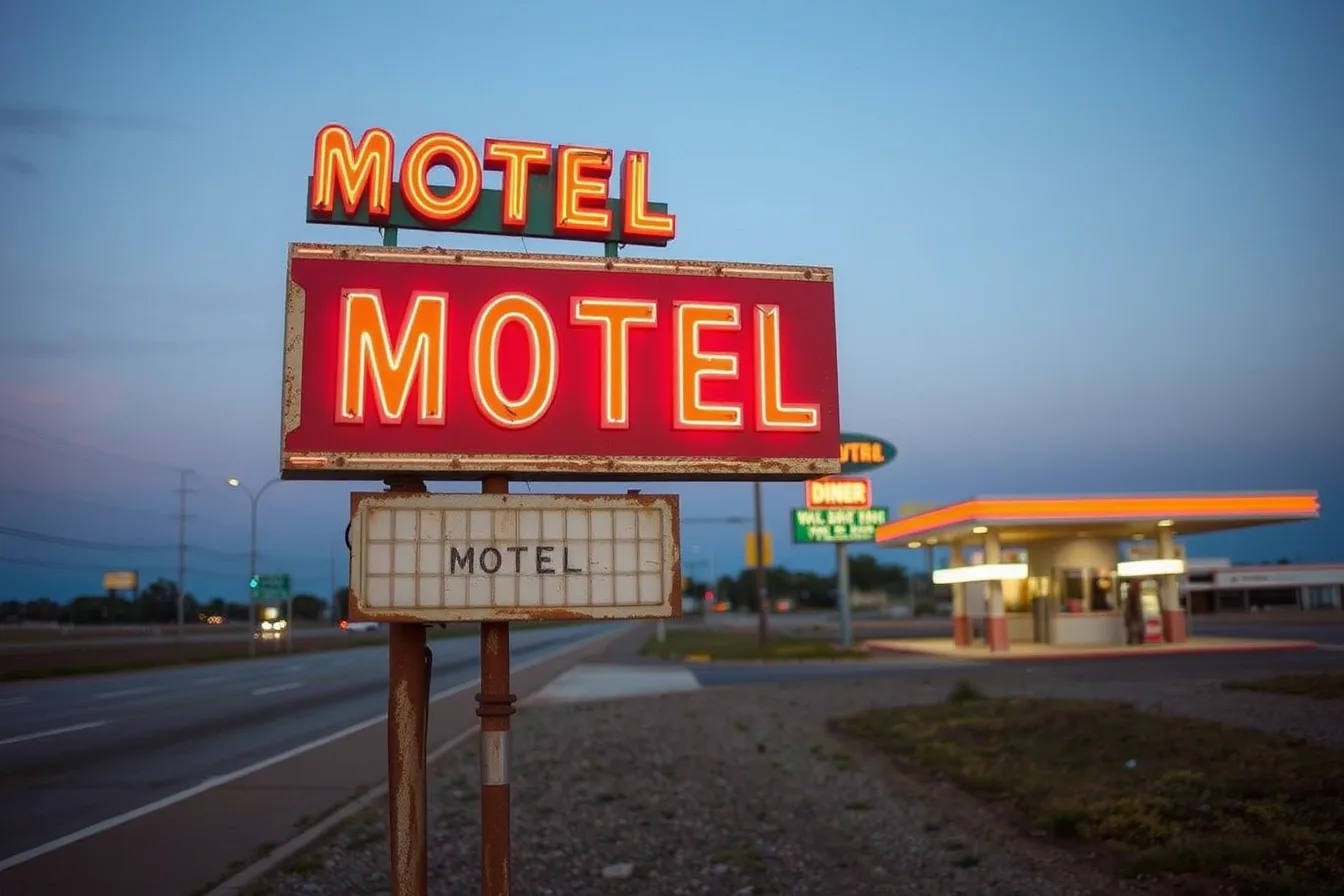
The figure is an illustration from the credited image record. It does not establish the condition, owner, access, operating status, or care history of another sign. Use a separate, current source for any claim about the property discussed in an article.
The same caution applies to before-and-after images. They should identify their dates and sources. Do not assume they show the same angle, scope of work, or property unless the records make that match clear.
A clear handoff before publication
Before publishing an update, read every sentence that sounds current. Ask whether it came from a dated observation, an attributed statement, or a responsible record. Make the label clear. If the issue remains open, say so without dramatizing it. A concise note can protect visitors while giving the owner or qualified professional room to review the actual condition.
The goal is a defensible public record. It gives readers a practical update, preserves the source trail, and avoids turning a visible change into a technical conclusion.
Common questions
Does a changed appearance prove a neon sign is unsafe?
No. It is an observation that may need a responsible review. Record the visible condition and follow the site's visitor-safety process.
Should an article name the cause of a sign change?
Only when a specific source supports that conclusion. Otherwise, describe the observation and state what review or record is still needed.
Can a business submit its own restoration information?
Yes, when the statement is clearly attributed. Do not turn provider copy into independent proof of a completed result or current condition.