Guides
How to avoid vintage diner interior reporting mistakes before you file
Avoid 2027 vintage diner interior reporting mistakes with better sources, dated context, clear disclosures, image credits, corrections, and publication limits.
Vintage diner interiors mistake prevention begins with editorial discipline. An engaging article can still be careful about source limits, historical context, business relationships, and photo captions. It should not diagnose a property, prescribe work, or treat a general preservation page as a decision for a particular diner.
What to take away
- Do not turn a historic image into a present-tense condition claim.
- Do not treat an owner statement as independent verification.
- Do not turn a broad preservation reference into a property instruction.
- Keep paid placements, credits, sources, and corrections visible.
Mistake 1: Calling a general source a property assessment
Many good public sources explain historic preservation principles, but they are not reports about a named diner. A writer should state what a source covers, then stop.
For example, the National Park Service planning page gathers common rehabilitation concerns involving historic interiors, spaces, materials, and documentation. Its rehabilitation-planning guidance supports an editorial lesson: planning begins with identifying the relevant issue and record. It does not establish a treatment, condition, or priority at another property.
Mistake 2: Letting an old image do too much work
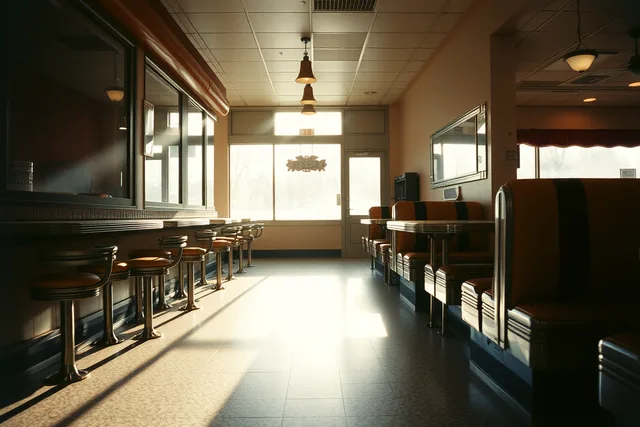
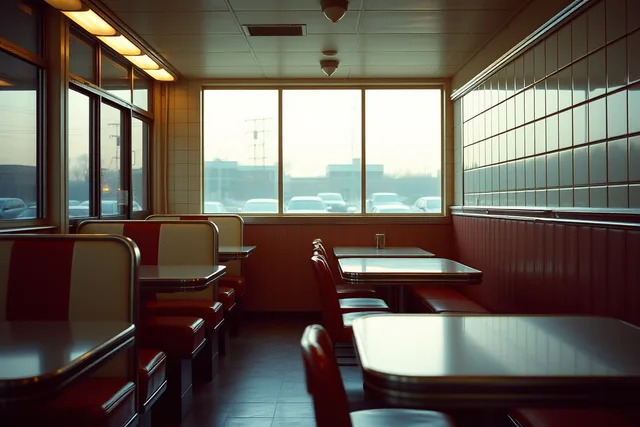
A photo can be an excellent historical record. It may show a counter, booth, ceiling, sign, or spatial arrangement when it was made. It does not prove what remains today, why a feature changed, what materials were used, or whether a current condition requires action.
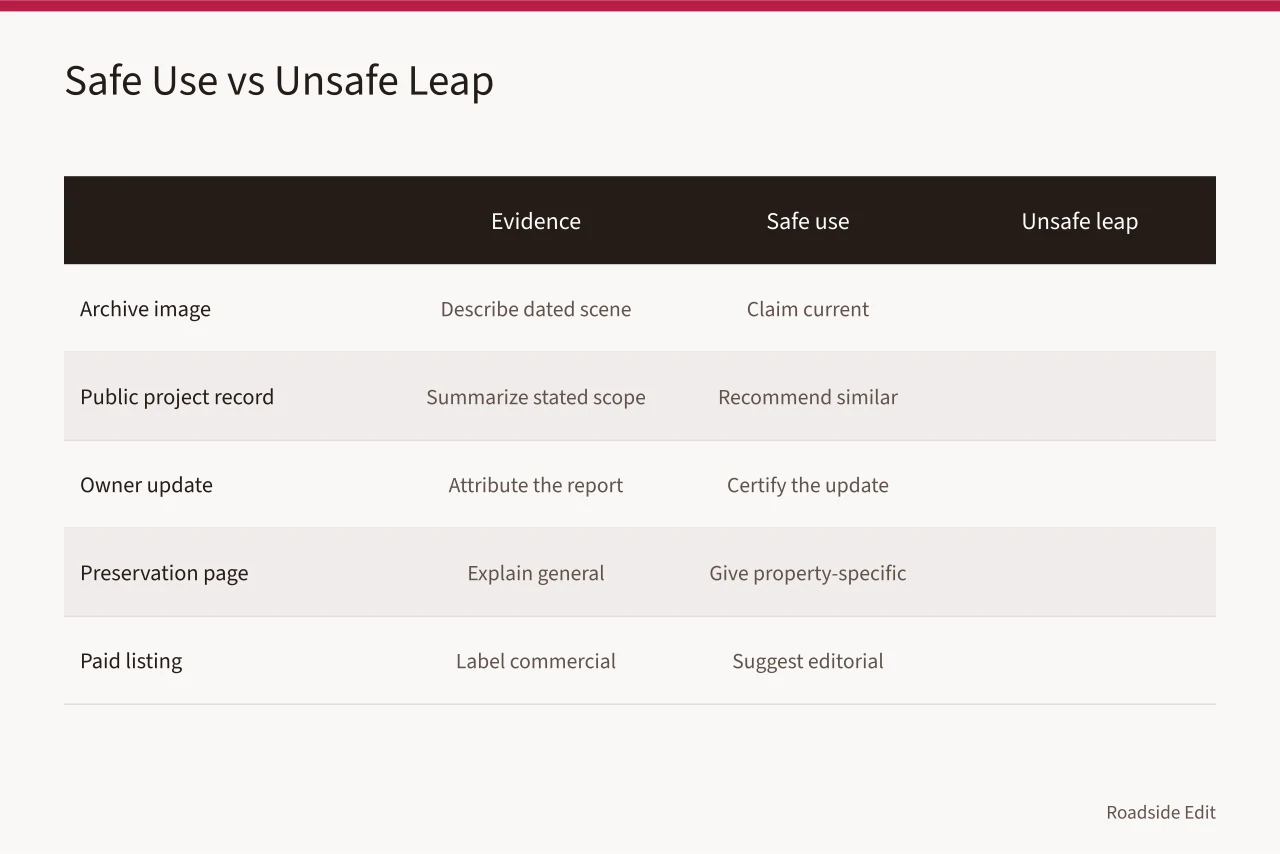
Caption images with dates and source credit, and use depicts, shows, or records instead of words implying an inspection.
| Evidence | Safe use | Unsafe leap |
|---|---|---|
| Archive image | Describe the dated scene | Claim current condition |
| Public project record | Summarize stated scope | Recommend a similar project |
| Owner update | Attribute the report | Certify the update |
| Preservation page | Explain general context | Give property-specific directions |
| Paid listing | Label commercial relationship | Suggest editorial endorsement |
Mistake 3: Hiding contributor relationships
Operators, designers, local historians, and agencies can contribute valuable material, but the question is not whether they can contribute; it is whether the reader sees the relationship.
Attribute owner-supplied claims and label a paid placement near the listing. Name an archive or institutional source when it provides an image or historical detail. These details make the page more credible and protect contributors from being quoted as though they were independent reviewers.
Mistake 4: Using a listicle as a ranking without a method
Lists attract readers and may draw placement interest from businesses. A list should disclose how an entry was included.
Possible bases include a dated public record, a particular architectural topic, an attributable local update, or a clearly labeled paid placement, so do not rank from incomplete evidence.
A diner should not look more "authentic," "best preserved," or "safer" just because it supplied a detailed description.
Mistake 5: Treating a correction as an inconvenience
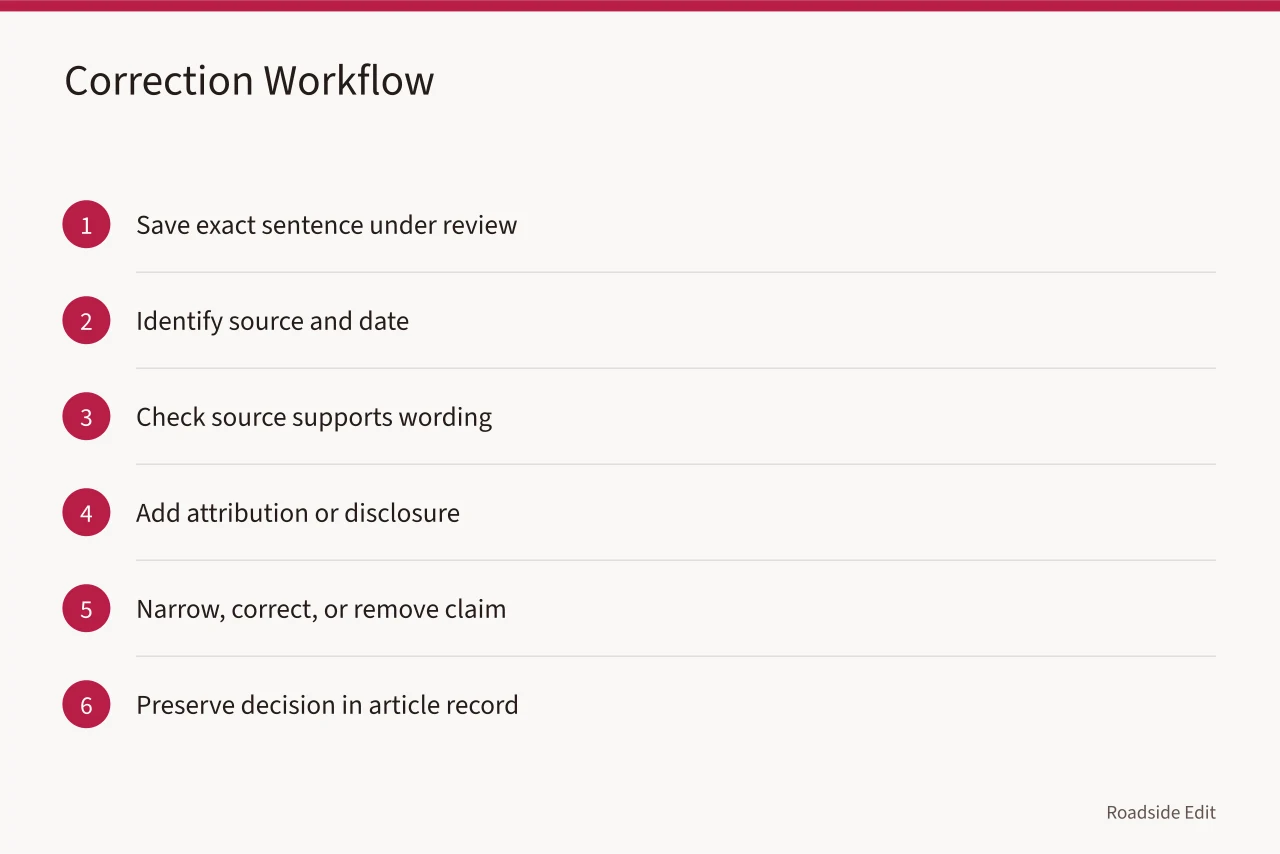
Corrections are part of useful local-interest publishing. Keep the original claim, source prompting review, decision date, revised wording, and note on remaining uncertainty.
A correction log stops an unsupported phrase from returning through a future template. It also gives a business, archive, or reader a clear path to request a factual change without demanding editorial control.
Corrections also reveal patterns. If entries need the same clarification, improve the intake process instead of fixing each sentence alone. For example, recurring confusion over photo dates may require a mandatory caption field. Repeated sponsor disclosures may require a standard label.
A series of broad preservation claims may show writers need to distinguish general guidance from a property record earlier in research.
Mistake 6: Writing beyond the evidence to sound useful
The most tempting mistake is filling gaps with a confident explanation. Readers may appreciate a specific answer, but an invented reason, a technical diagnosis, or a work recommendation is less useful than a precise limitation. Say what is known, where it came from, and what remains unverified. That clarity lets the article be both readable and trustworthy.
An editor makes a limitation useful by suggesting the next research question without giving a direction. Instead of saying an interior needs an action, write that the article does not identify the feature's current material, condition, or source.
Instead of calling a diner original, identify the dated record that depicts it. This keeps the page informative while respecting the difference between a narrative feature and a project assessment.
Mistake 7: Confusing preservation vocabulary
Terms like preservation, rehabilitation, restoration, and renovation, along with repair and replacement, often appear casually in local marketing copy. Their meanings vary by source. Do not treat them as proof that a project met a particular standard.
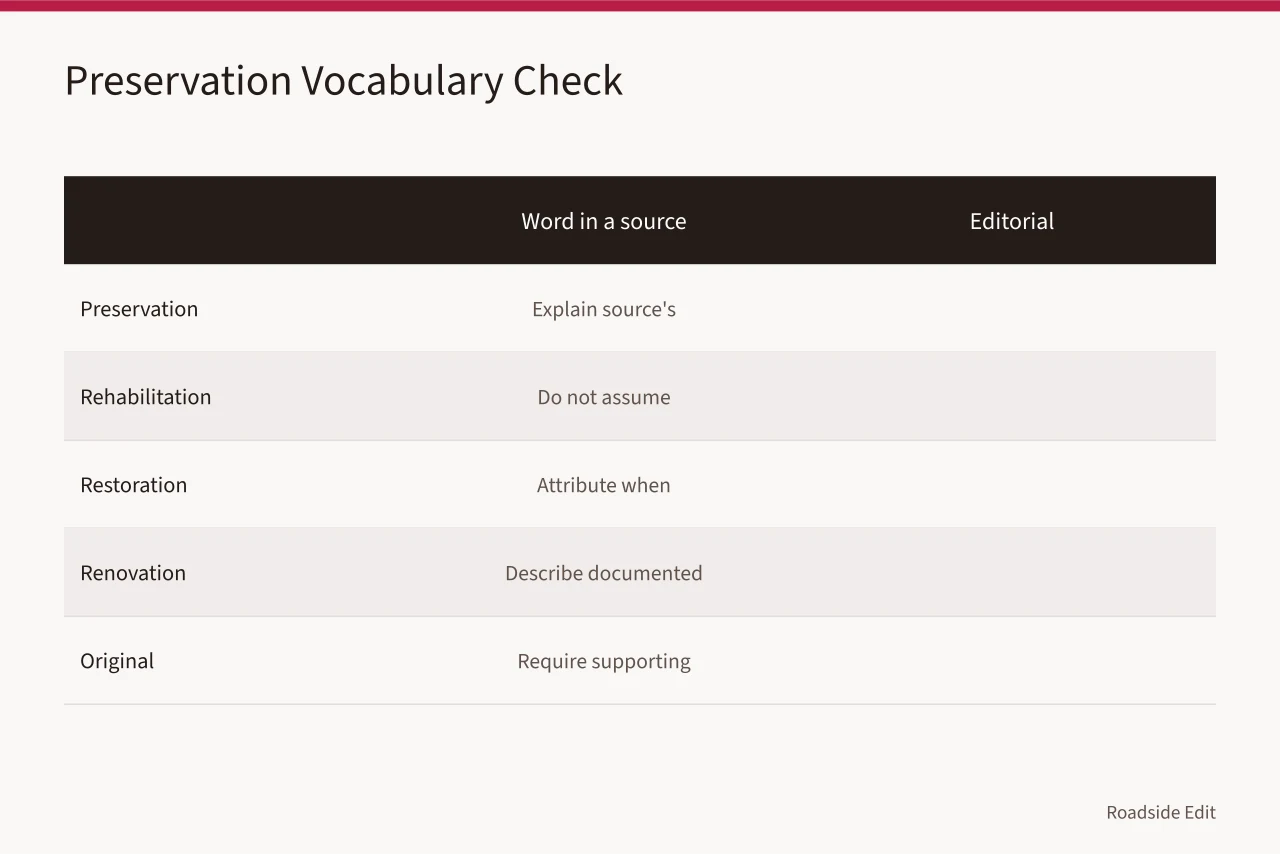
Quote or summarize the record carefully. If a business calls a change a restoration but no supporting project document exists, attribute that phrase to the business. Do not present it as an independently verified classification.
| Word in a source | Editorial treatment |
|---|---|
| Preservation | Explain the source's stated use of the term |
| Rehabilitation | Do not assume a program certification |
| Restoration | Attribute when the record is promotional |
| Renovation | Describe the documented scope only |
| Original | Require a suitable supporting record |
This vocabulary check matters on listicles. A short label can become a powerful ranking signal, so the language should match evidence rather than a sales goal. When the terminology cannot be verified, use a neutral description of what the record actually shows.
Mistake 8: Separating evidence from the sentence it supports
Links should appear where the reader needs them. A source buried in a generic resources section makes a specific assertion hard to check. Use descriptive anchor text near the supported claim. Save the media credit link for the image caption.
This structure gives each external link one clear job. It also keeps unrelated sources from looking like they validate the same sentence.
Before final approval, read the article as a skeptical local reader.
Can they tell what was observed, reported, or inferred, see when an image is historical, spot a paid placement, and request a correction? If yes, the guide avoided mistakes that make large content networks look generic or untrustworthy.
Mistake 9: Treating a consistent format as a substitute for research
Templates are useful for keeping headings, metadata, credits, and correction fields consistent. They should not supply the article's facts. Every diner, source, photo, and public record needs its own review.
Replacing the nouns in a standard paragraph does not make the resulting claim accurate. A useful guide has a distinct question, a distinct source set, a separate local context, and language that reflects its evidence, not a copied structure.
Editors can test a paragraph by removing the diner name: if it could describe every site in the network without changing meaning, it may be too generic. Add the source date, record type, editorial limitation, or a specific research question.
If that is not possible, consider whether the paragraph belongs at all. This test is especially valuable where pages cover related themes like preservation, maintenance, safety, or regional context.
Mistake 10: Forgetting the reader's next question
Readers want to know if a source is current, who made a claim, and how to fix an error. Answer these questions plainly with a short FAQ, a visible correction path, and a clear line between source-backed fact and attributed update.
These elements are not filler. They make a page more accountable and cut confusion when a local business or archive asks for an update.
The final editorial goal is simple: publish only what the evidence can carry. That does not make a guide timid. It makes it useful to readers, fair to businesses, and easier to maintain as new records emerge.
A better publication check
Before publishing, read each claim apart from its story: can the source confirm it, is the date visible, and does the wording distinguish the past from the present?
Is the image credit correct, is a sponsor or contributor disclosed, and can an error be corrected? These questions make a stronger guide than a longer article full of unsupported detail.
The National Archives records-management overview supports preserving the source, date, and review decision behind a statement that may later need correction. For a local-interest article, this means keeping a traceable editorial record without claiming that the publication performed a property assessment.
The Library of Congress primary-source analysis guide separates observation from reflection and further investigation. This supports the article's method of stating what an archival image or public record directly identifies before adding a conclusion about a present feature.
The Federal Trade Commission's endorsement guidance supports a clear disclosure where payment or another material connection could change how a reader evaluates a statement. A disclosure identifies the relationship but does not turn a supplied claim into independent evidence.
Common questions
Can an old diner image prove a feature is original?
No. It may document a feature at a stated time but cannot establish origin, current condition, or later changes without additional evidence.
Can a business ask for a correction?
Yes. Request a specific source, attribute any supplied material, disclose a commercial relationship, and revise only what the evidence supports.
Should a preservation guide tell owners what to do?
Not unless it is written and supported for the particular property. A general editorial guide should explain source limits and avoid instructions.
Can a paid listing be included in a listicle?
Yes, when its paid status is clear and it is not presented as an independent ranking or recommendation.
In this guide
- Vintage diner interiors: how to prevent budget note mistakes before you reuse a figureReusing a diner interior figure safely means keeping its source, date and scope attached, and filing superseded amounts instead of overwriting them.