Guides
Part of Gas station preservation provider selection: how to choose help in 2027
Gas station preservation provider selection: build a scope checklist before you hire
Gas station preservation hiring checklist for 2027: define scope, compare qualified teams, document assumptions, and keep the selection record clear.
Use this checklist before asking anyone to price preservation work at a former or active gas station. It is for an owner, project editor, nonprofit, or public agency that needs to decide what help to seek. It is not a substitute for procurement rules, a code review, environmental work, or professional advice.
What to take away
- Define one near-term decision before sending an inquiry.
- Give every candidate the same property record and request the same response categories.
- Compare tasks and exclusions before comparing fees.
- Keep a written selection record that says what was chosen and why.
Set the first question
The phrase "preserve the station" is too broad for a useful request. Start with the next decision instead. You may need a condition record for a canopy, an opinion about an exterior repair sequence, documentation before a lease discussion, or a scope that separates a historic building question from a utility or contamination question.
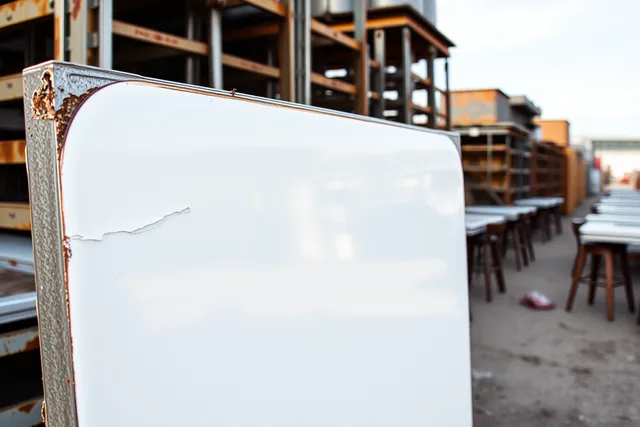
Write a short statement that names the property, the part of the site involved, and the result you need. It can be plain: "We need a field record and repair priorities for the porcelain-enamel service bay signs." Do not promise a rehabilitation outcome, a permit result, or future funding in this statement.
The National Park Service says rehabilitation should retain historic character while allowing a compatible use. Read the National Park Service rehabilitation standards before turning that principle into a project requirement.
The standards do not choose a provider or determine what a station needs. They give a shared frame for asking whether a proposed task respects character-defining material.
Prepare a consistent information packet
Candidates cannot give a meaningful first response if each receives a different version of the story. Assemble a small packet before outreach. It does not need to be polished. A dated folder with original files is better than a persuasive summary with no record behind it.
| Include | Why it matters |
|---|
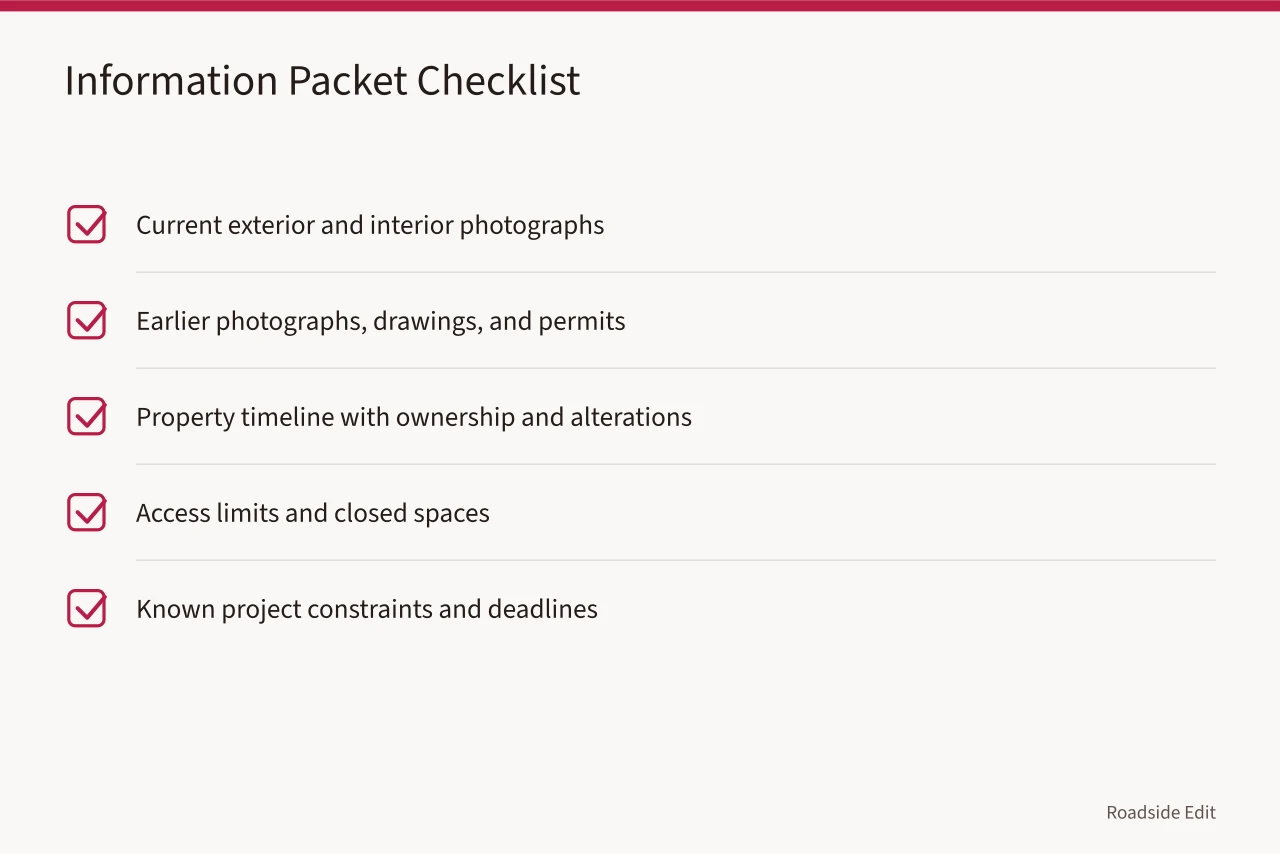
Do not edit the record to make the property sound more complete than it is. The National Archives describes preservation as work that protects records and makes them available over time. See the National Archives preservation guidance for the underlying care principle.
For a hiring file, retain original reports and photographs, note their origin, and label later summaries as summaries.
Ask every candidate the same questions
Use one request form, even if some candidates are known to you. That approach makes the comparison more honest and exposes gaps early.
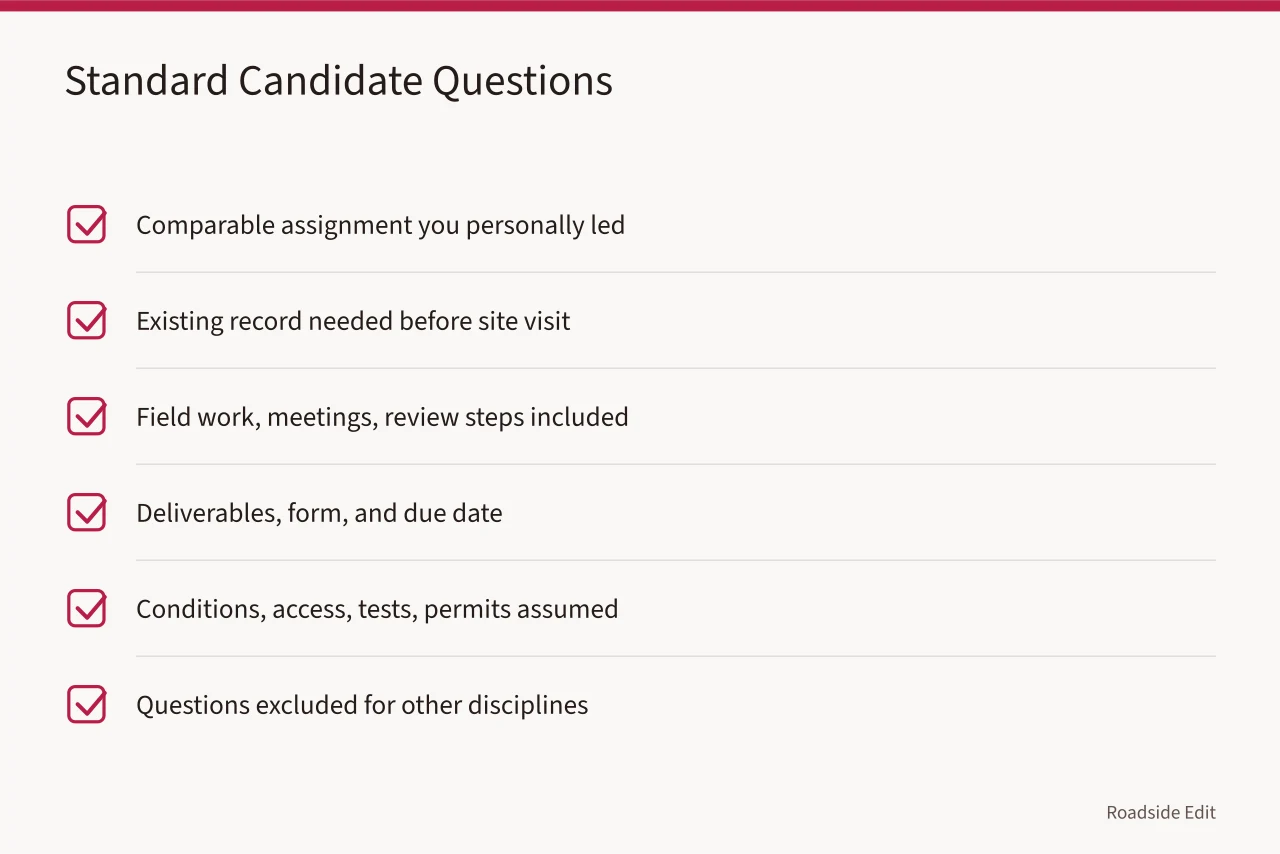
The Smithsonian's conservation-contracting guidance calls for a clear statement of work, assignment-specific qualifications, and references for similar work. Consult the Smithsonian conservation contracting article when writing the request.
It covers conservation services, so it cannot replace local selection rules. A candidate should still explain how past work relates to the task.
Compare the scope before the price
Put proposals into a side-by-side table. A low total does not mean the same work is being offered. One response may include a measured record and a meeting with the local review body. Another may be limited to a visual walk-through. Neither is automatically wrong, but the difference should be visible before a selection is made.
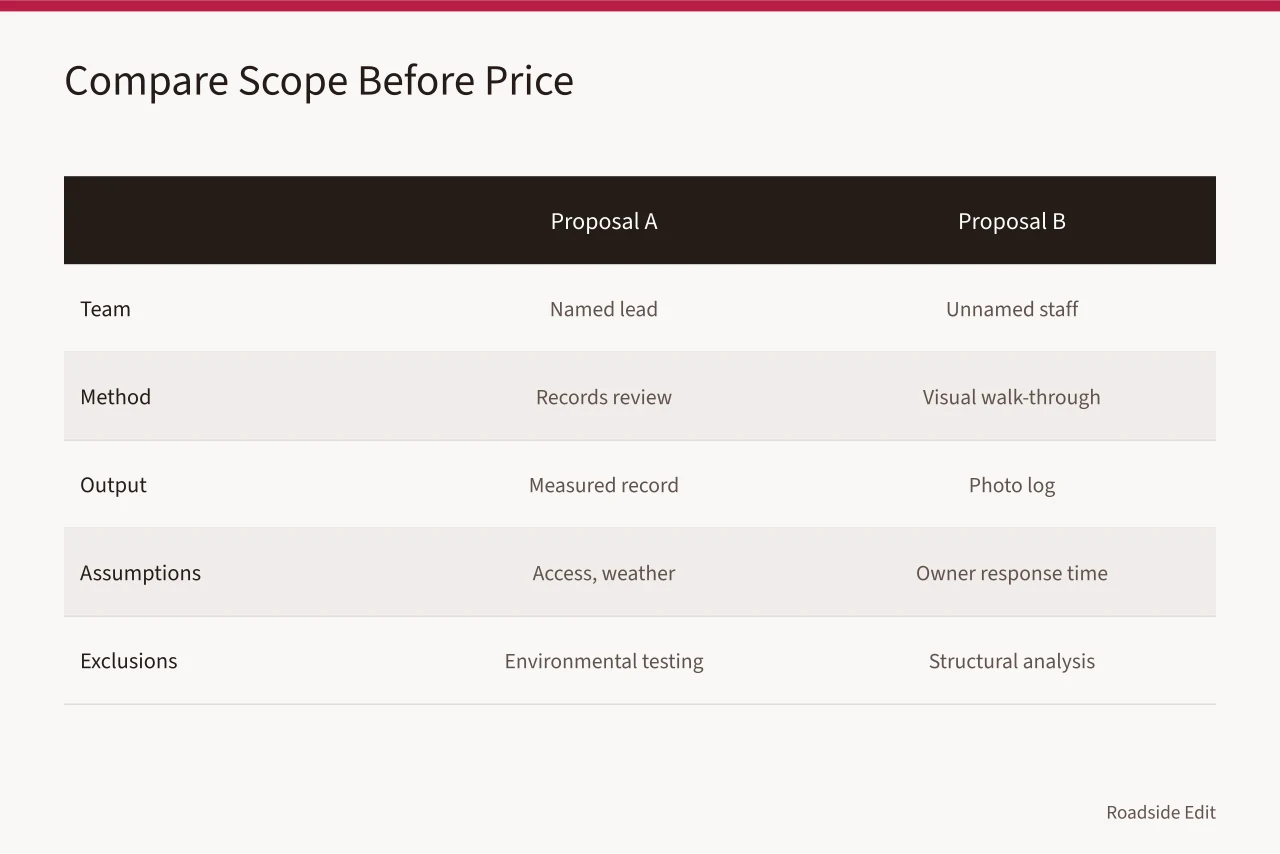
| Compare | Check for |
|---|---|
| Team | Named lead, specialist roles, and who will actually visit the site |
| Method | Records review, observation, sampling, meetings, and decision points |
| Output | Report, photo log, drawings, repair notes, or procurement-ready documents |
| Assumptions | Access, weather, owner response time, approvals, and third-party information |
| Exclusions | Environmental testing, structural analysis, code review, bidding support, or work outside the stated area |
If a public body is selecting architectural or engineering assistance, its process may carry rules beyond this checklist. Review GSA preservation tools and resources for examples of federal preservation resources and process material. Use the rules that govern your project. Do not treat a federal resource page as permission to bypass a state, local, tribal, grant, or organizational requirement.
Document the choice
Once a candidate is selected, preserve the reason for the choice while the discussion is still fresh. The note can be brief. It should identify the decision maker, date, candidates considered, scope selected, major differences between responses, and unresolved items that were intentionally left out.
Keep claims in public updates narrow. A selected provider has been selected for the stated scope. That does not mean the work has been approved, a condition finding has been made, or a rehabilitation has occurred. If the scope changes later, add a dated note instead of silently rewriting the earlier decision record.
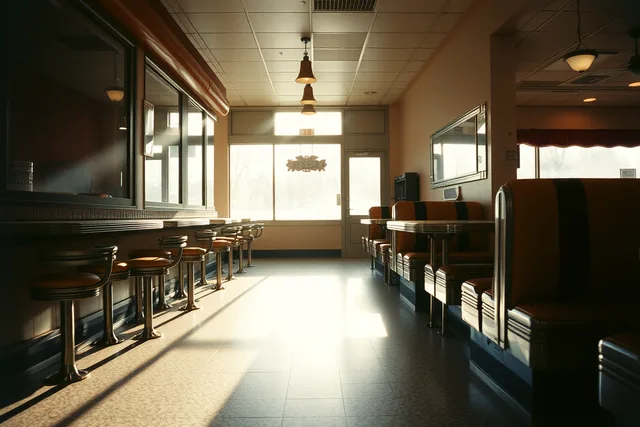
The photograph is historical visual context only. It does not identify a provider, confirm a condition, or establish an approval for another property.
Common questions
Should a provider write the request used to select that provider?
Avoid that arrangement when it creates a conflict. An owner, independent adviser, or appropriate procurement process can define the first request. If a provider helps clarify a general question, record that role and make the selection criteria visible.
Is a portfolio enough to verify relevant experience?
No. Ask what the candidate personally did, who supervised the work, and whether the assignment involved a comparable material, building form, or preservation question. A portfolio image alone cannot answer those questions.
Should environmental and preservation questions appear in one scope?
They can be coordinated, but they should be labeled separately. Preservation documentation does not replace environmental assessment, and an environmental report does not settle a preservation treatment question.
Can this checklist be used in a public project update?
Yes. Present it as a planning record. Do not use it to imply that a building was assessed, approved, funded, or restored unless the underlying record supports that statement.