Guides
Part of Historic motel restoration planning: build the 2027 workflow before treatment talk
Historic motel restoration planning: 4 warning signs your article mixes research with decisions
Historic motel restoration planning warning signs for 2027 show when an article has confused research, observation, proposed work, or a final decision.
Planning trouble often begins in the verbs. "Will restore," "needs repair," and "is approved" can make an article sound decisive when it only has a photograph, an old account, or an early idea. This guide flags language that outruns the record.
What to take away
- Keep research findings separate from treatment decisions.
- Do not treat a public image as a condition assessment.
- Label a proposal as a proposal until a reliable record says more.
- Refer site-specific concerns to the responsible authority or qualified professional.
Check the planning stage
The National Park Service's Historic Preservation Training Center calls documentation, investigation, and historic structure reports front-end preservation planning work. It says significant changes to historic structures at NPS sites are best preceded by a historic structure report. Read the NPS Architecture Team description.
That is not a universal rule for a motel outside the National Park System. It does support the distinction between early documentation and a completed decision.
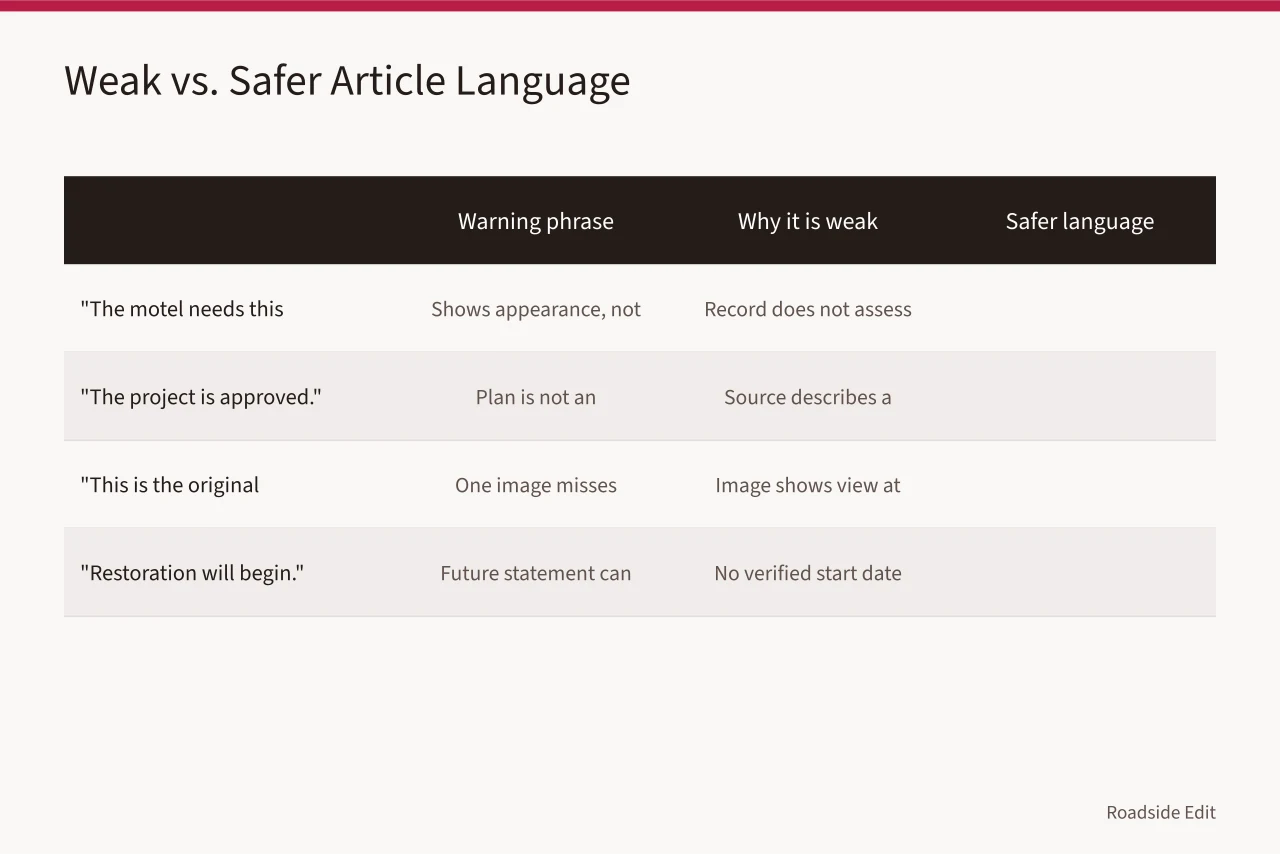
| Warning phrase | Why it is weak | Safer article language |
|---|---|---|
| "The motel needs this repair." | A source may show appearance, not cause or scope | "The available record does not assess a repair need." |
| "The project is approved." | A plan or announcement may not be an approval | "The source describes a proposal dated [date]." |
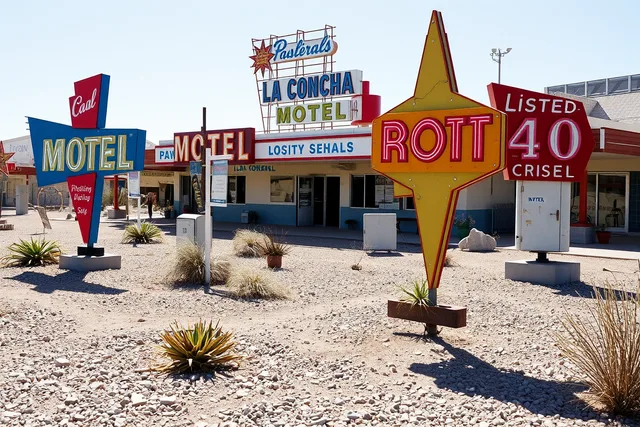
| "This is the original layout." | A single image may not show all changes | "The image shows this view at its stated date." |
| "Restoration will begin." | A future statement can change | "The article does not verify a start date." |
Watch for scope drift: a source about a sign, office, or single guest-room wing cannot establish a plan for the entire site.
If an article changes from a specific feature to a site-wide conclusion, return to the planning file. Look for a record covering the broader area; if none exists, narrow the wording instead.
Match the claim to the evidence
NPS documentation guidance requires reliable sources and clear statements of the work's limits so another person can check it. Read the NPS documentation standard. For an article, that means a current photograph supports a description of the pictured view. It does not, on its own, establish structural condition, a treatment need, or a decision by an owner.
The Library of Congress primary-source guide begins with observation before reflection and questions. Use the Library of Congress source-analysis steps. Apply the same sequence when editing a strong-sounding sentence. First list what the source visibly says or shows. Then identify what the writer inferred. Finally, ask whether another source is needed before the inference can become a published claim.
Flag a sentence for a second review
These signs call for a pause, not a conclusion.
| Article signal | Editorial response |
|---|---|
| The claim names a cause | Find evidence that identifies the cause or remove it |
| The verb promises future work | Identify a dated decision record or use neutral wording |
| The source is undated | Describe the item without placing it in a sequence |
| The source names one feature | Limit the claim to that feature |
| An image and text disagree | State the conflict and do not choose without support |
The NPS project-completion guidance calls for a record of project changes and discoveries made during work. Review the NPS completion documentation guidance. A planning article is earlier than that stage, so it should not write as if discoveries, approvals, and completed work already exist. Use dates and source labels to keep that line visible.
Correct the claim, not the source
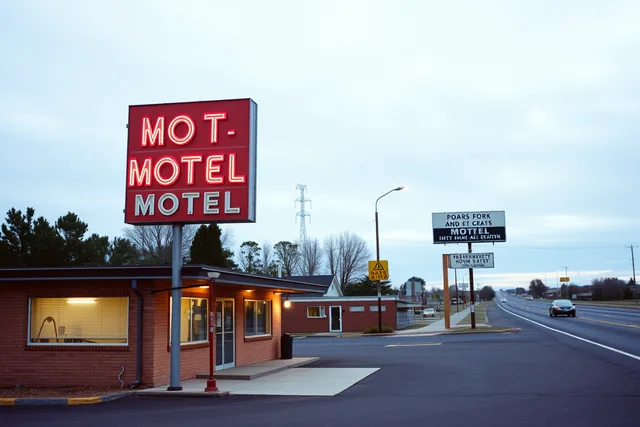
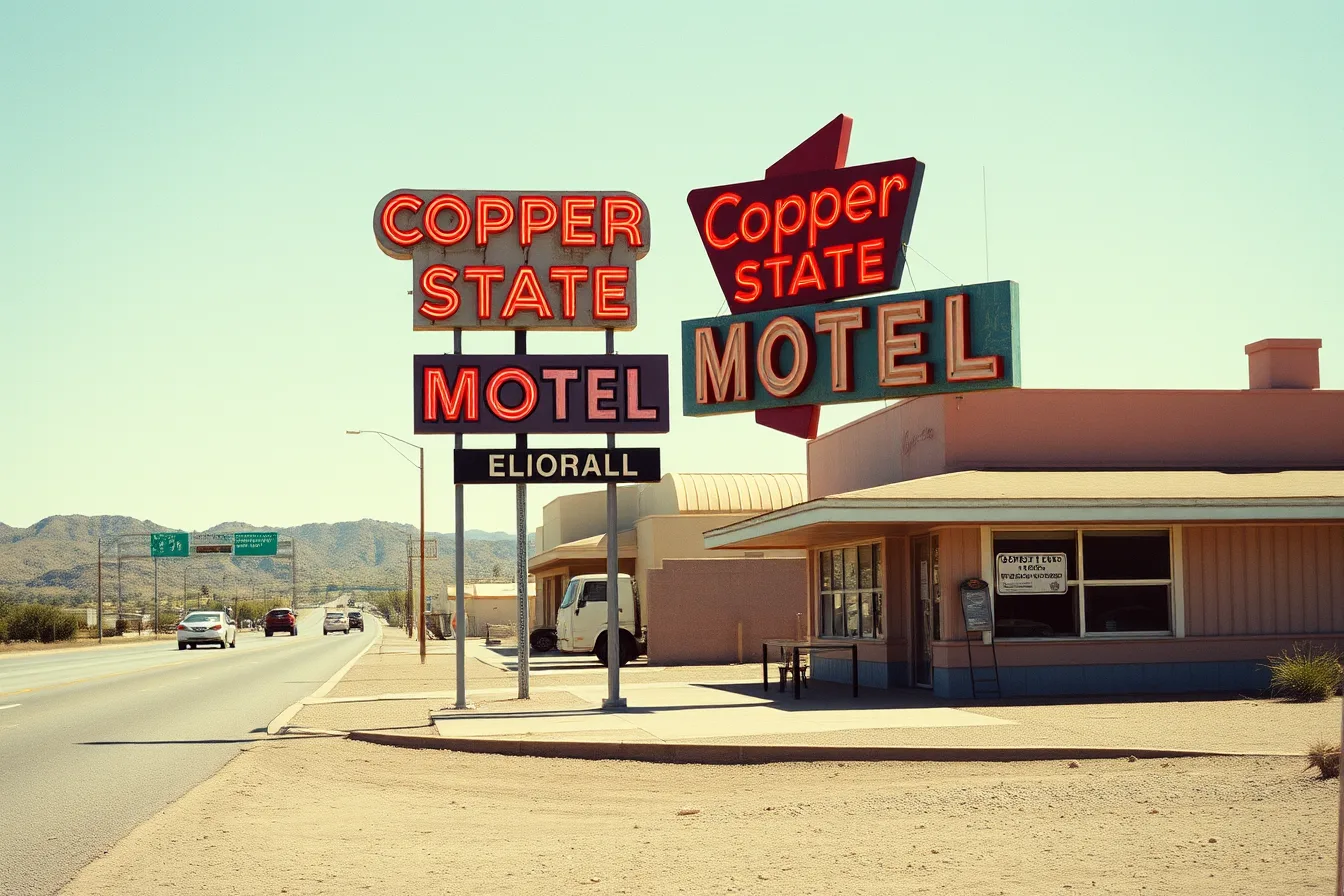
When a sentence goes too far, do not leave it in place with a decorative citation. Change the sentence to match the record. "A 2026 photograph shows peeling paint on the sign" is a visible observation. "The sign requires restoration" is a recommendation that needs a different basis. This small edit makes the article more trustworthy and easier to update.
Common questions
Is a planning warning sign proof that a project is wrong?
No. It signals that the article needs a clearer source, date, limitation, or label before it makes a stronger claim.
Can an article describe visible deterioration?
It can describe what is visible in a dated image. It should not diagnose cause, safety, severity, or a repair method from that image alone.
When is "proposed" the right word?
Use it when the source describes an intention, concept, or plan and does not verify completed work.