Guides
Part of Historic motel restoration planning: build the 2027 workflow before treatment talk
How to keep historic motel restoration planning records traceable for 2027
Historic motel restoration planning records stay traceable when each claim carries its source, date, role and document limit in one dated project file.
A planning record should let the next editor see where a claim came from, what it meant at the time, and why the article stopped short. It does not need to be elaborate. It needs to keep source facts, field observations, open questions and corrections from blending into one voice.
What to take away
- Give every source a title, a date, a role and a stated limit.
- Keep open questions in the file rather than in your head.
- Log a correction instead of quietly rewriting a material claim.
- Store the source page and the local media file together.
- Date every entry, including the ones you expect to replace.
Build the record before you write
National Archives research-visit guidance asks a researcher to name the topic, the agency connection, the time period and the record types sought. It also asks for notes on what was consulted, so the search can be retraced later.
Use the National Archives research-planning guidance. That does not make a 1950s motor court postcard a federal record. It gives you a working model for a trail someone else can follow.
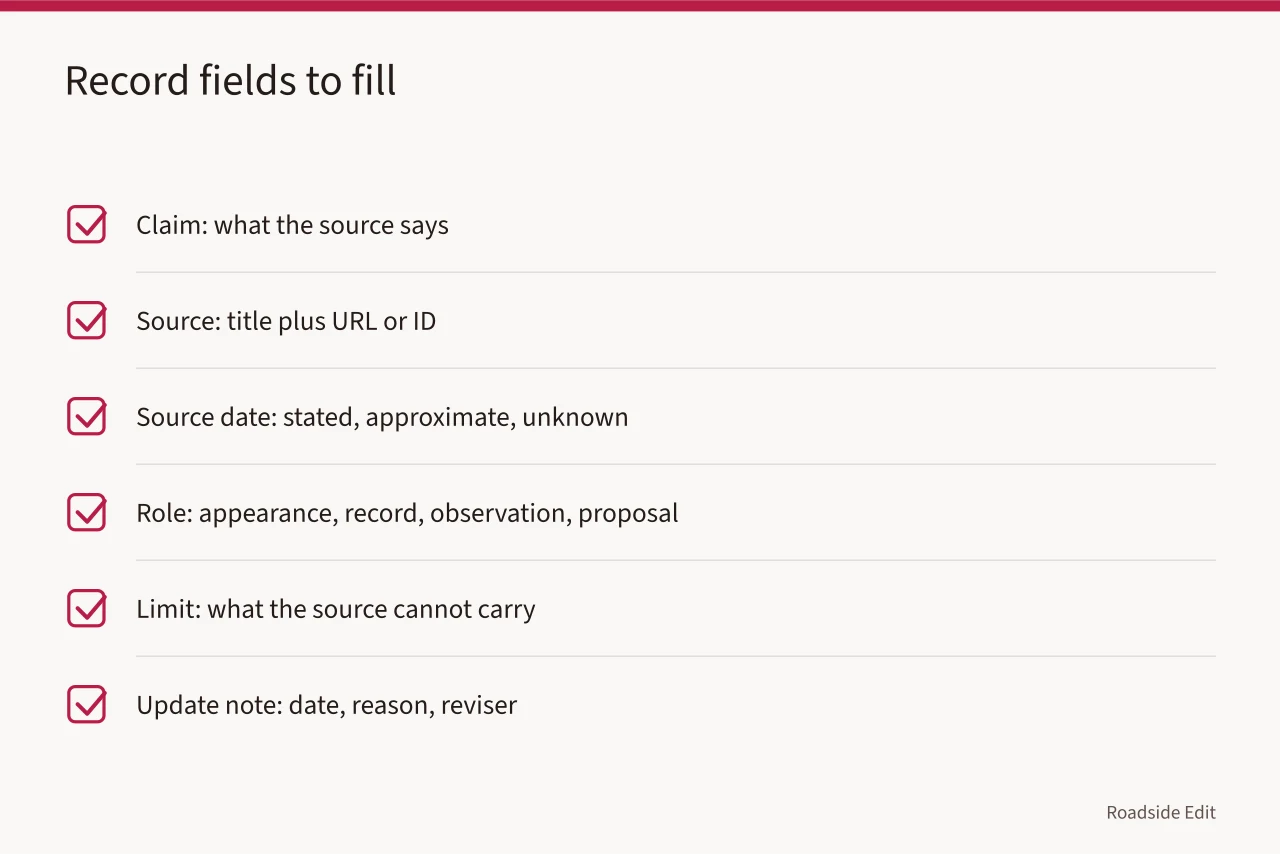
| Record field | Example entry |
|---|---|
| Claim | "The postcard labels the property a motor court." |
| Source | Specific title plus URL or archive identifier |
| Source date | Stated date, approximate date, or unknown |
| Role | Historic appearance, public record, current observation, or proposal |
| Limit | "Does not establish current condition or work scope." |
| Update note | Date, reason, and the person who revised the claim |
Fill the role field honestly. A 1962 postcard documents how the property was marketed, not how the sign is wired today. A county assessor card records ownership and footprint, not neon tube diameter.
Say what a source cannot carry
The NPS documentation standard asks for reliable sources and for limits that let a reader verify the work. See the NPS documentation standard. Split the file by statement type so an editor can see where a sentence stopped being observable.
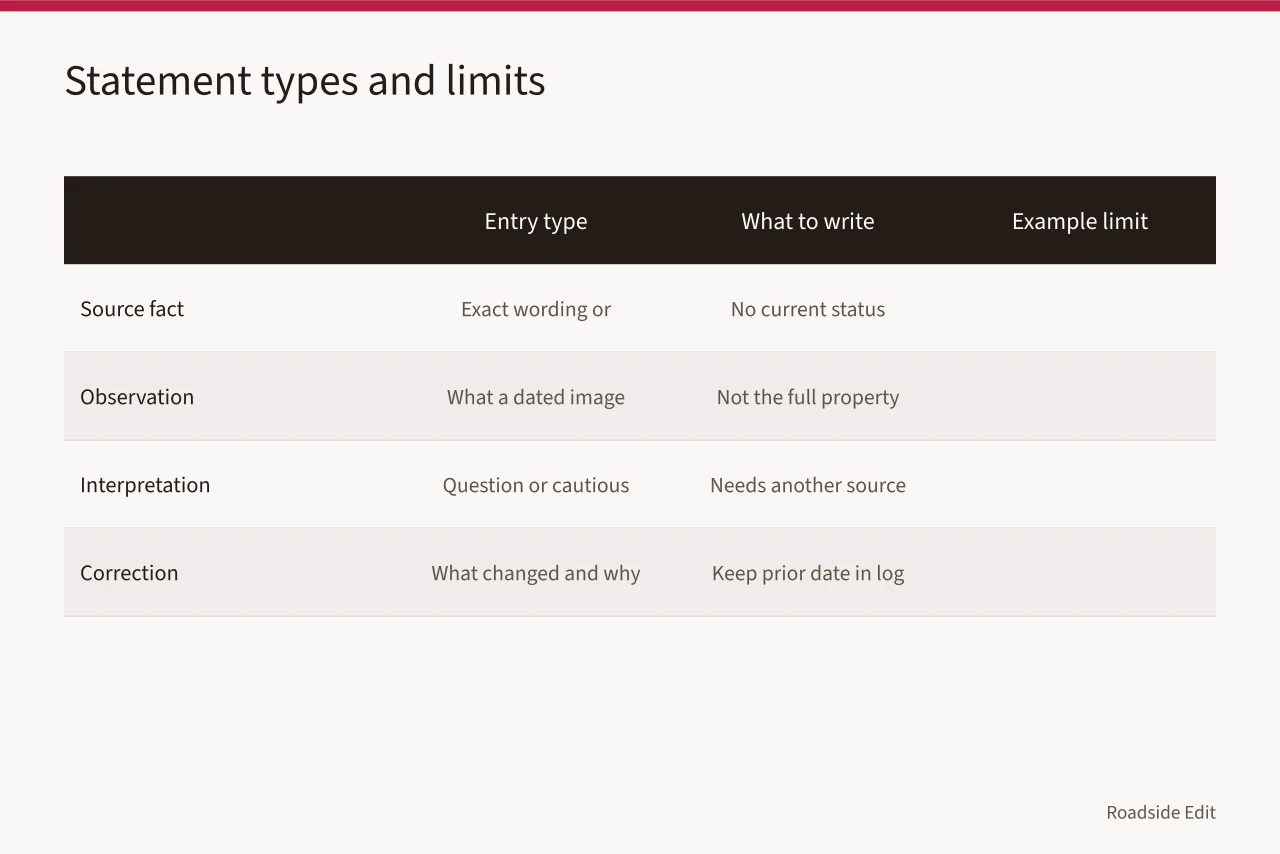
The Library of Congress primary-source process starts with observation, then moves to questions. Use the Library of Congress source-analysis guide. Keeping those steps apart shows an editor the exact sentence where a description of a butterfly roof became a claim about the roof's condition.
Keep corrections visible
When a name, date or feature description changes, write a short correction note first. Say what changed, which new material prompted it, and which part of the article it touched. A reader who saw the earlier version then knows why it moved.
Keep the source's own wording in a notes field when a paraphrase could shift the meaning. A project a state historic preservation office calls "proposed" is not a project underway. Record whether an image was chosen for period context or as documentation of one visible feature, such as chrome-edge trim on a lunch counter.
Give images their own fields
The National Archives advises agencies to keep digital photographs with enough identifying information to manage them over time. Read the National Archives digital-photo guidance. An editorial record can follow the same discipline:
- original item page
- local filename
- caption
- access date
- stated date or range
- the feature visible in the frame
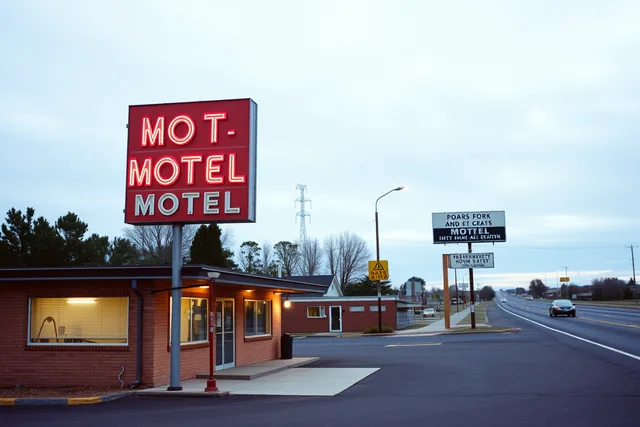
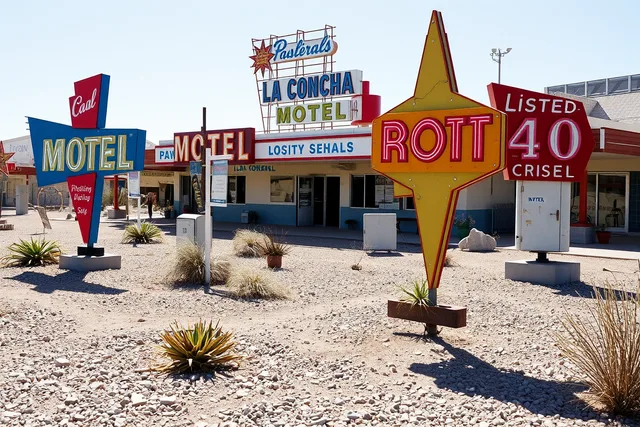
A filename is not proof of identity. If an image looks like a motor court but the source never names the property, write that limit instead of a confident caption. A credited photo and a confirmed fact are two different entries, and the credit does not confirm the fact.
Make the next update easy
When a new source changes a meaningful sentence, add a dated entry before you touch the article. Name the old claim, the new source and the outcome. If the two sources conflict, say so in the record rather than picking a winner in the prose.
Use one fixed format for every correction. Consistent entries make a file that runs for years readable at a glance, and they keep the update history honest.
Where a claim touches canopy soffits, dry-stand pipes or underground tanks, the record names the licensed engineer or environmental authority and points to the adopted ordinance.
Field safety records for gas station sites follow the same pattern.
Common questions
Does every source need a limitation note?
Yes for a meaningful claim. One sentence on what the source cannot show stops the record from being stretched past its evidence.
What counts as a correction trigger?
A clear event: a cited record that changes a published name, date or feature description, or a new survey that contradicts an earlier one.
Can a media credit support a factual claim?
No. A credit identifies where the image came from. The factual claim needs its own source, dated and limited like any other entry.