Guides
Part of Motel exterior mistake prevention: 8 errors to avoid in 2027
Motel exterior questions to ask before work starts in 2027
Motel exterior questions before work in 2027 help U.S. readers define evidence, scope, access, record limits, and responsible next questions.
Ask these questions before writing about a motel exterior change in 2027. They narrow the subject, separate observation from speculation, and make it clear who can answer a property-specific question.
What to take away
- Start with the part of the exterior that is actually visible.
- Ask for records before describing a material or earlier repair.
- Treat a source as support for a limited claim, not a site inspection.
- Put owners, contractors, and reviewers in their proper roles.
Questions that make a draft more useful
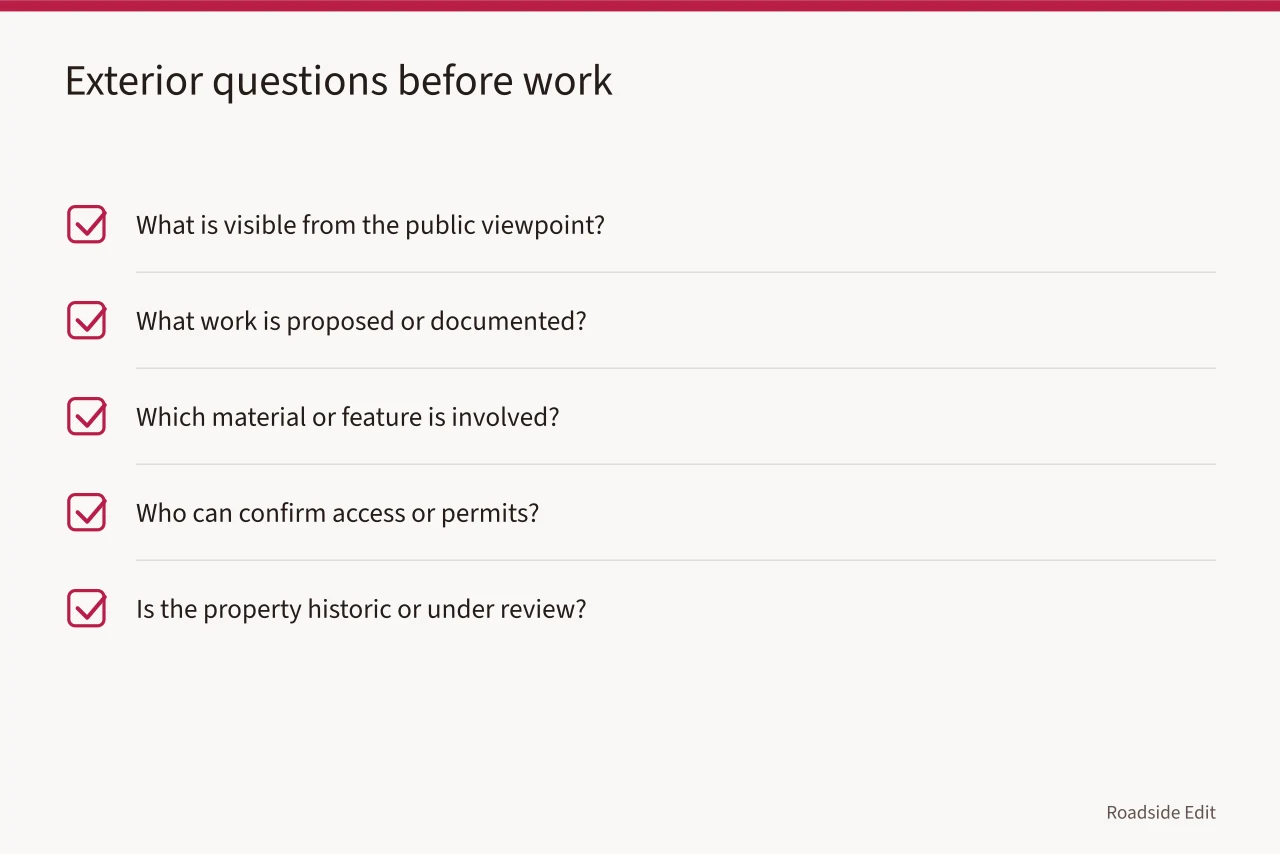
| Question | Why it belongs in the draft |
|---|---|
| What is visible from the public viewpoint? | It sets the evidence boundary. |
| What work is proposed or already documented? | It prevents guesses about a project. |
| Which material or feature is involved? | It keeps advice tied to a real subject. |
| Who can confirm access, permits, or condition? | Those questions need a responsible source. |
| Is the property historic or subject to local review? | That may change the next step. |
Ask about the roof before making a broad exterior claim
A roof question can be more useful than a general statement that an exterior "needs work." Ask whether a leak, flashing issue, material history, or recent repair has been documented. The National Park Service notes that a roof investigation may reveal construction history and points to places where moisture or damage may be visible. Read NPS guidance on historic roofing.
That source does not diagnose a particular motel. It supports a narrower editorial practice: describe the evidence available, identify what the record does not show, and direct a technical question to a qualified person. A photo can show a roofline or a missing element. It cannot show the condition beneath the covering.
Ask who owns the answer
Some questions belong with the owner or manager: planned work, access, operating status, and permission to photograph. Others belong with a licensed professional or local authority: structural condition, electrical equipment, code compliance, permits, and life-safety matters. The article should name the missing evidence rather than turn an unanswered question into a warning.
When a business submits information for a possible listing or paid placement, keep that material labeled. It can add a date, service description, or contact detail, but it should not replace independent documentation.
Avoid treating an image as a project record
One common mistake is giving an image a conclusion it cannot support. A photo may show a visible wall, roof edge, entrance, or sign.
It does not establish the material behind the surface, water source, electrical condition, permit status, or an approved treatment. Record what the image shows, then state what source or responsible review would answer the larger question.
The National Park Service's exterior-maintenance guidance discusses inspection and attention to deterioration. Review Preservation Brief 47. It does not prescribe a motel project. It supports identifying the feature and material before deciding what further review is needed.
Avoid calling a route compliant or unsafe from a photograph. The ADA Standards for Accessible Design are technical standards for covered facilities. Consult the ADA Standards for Accessible Design. They do not determine obligations at a specific motel. They show why the right next question belongs with the responsible authority or qualified reviewer.
FEMA's National Flood Hazard Layer provides federal flood hazard information for mapped areas. Check FEMA's National Flood Hazard Layer information. It does not decide a current safety condition, damage, or project duty. It gives a reader a specific source when mapped flood information is relevant to the question.
Correct a mistake without hiding it
Add a dated correction note when a stronger record changes an article. State what changed, which source supports the correction, and what the earlier source could not establish.
Do not silently replace an owner statement, a media caption, or a project description. A visible correction trail protects readers from stale information and separates an editorial article from a marketing claim.
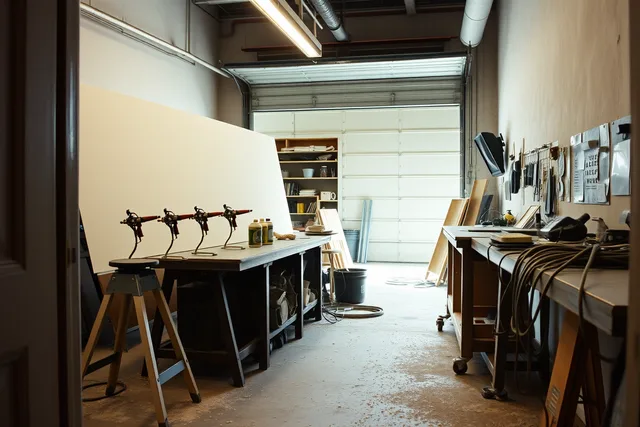
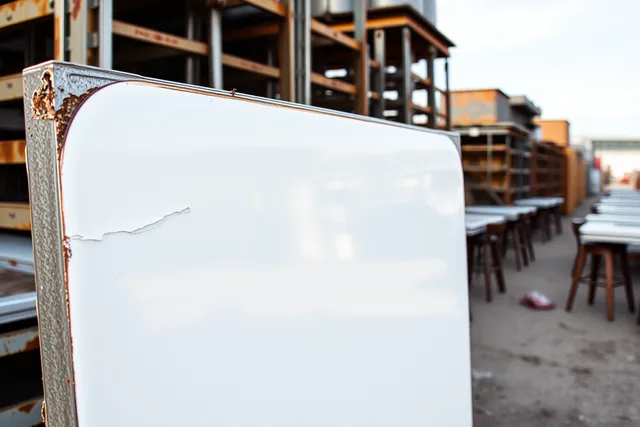
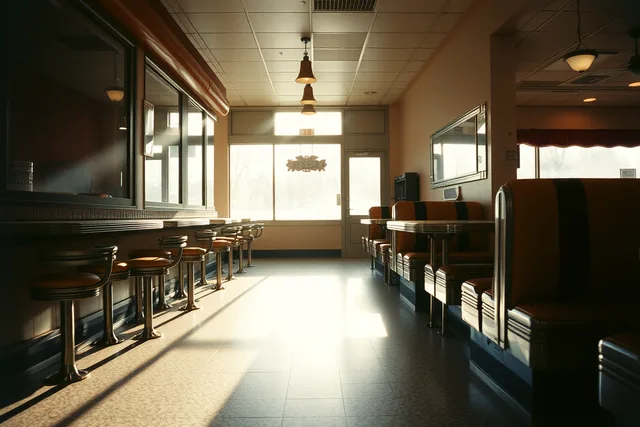
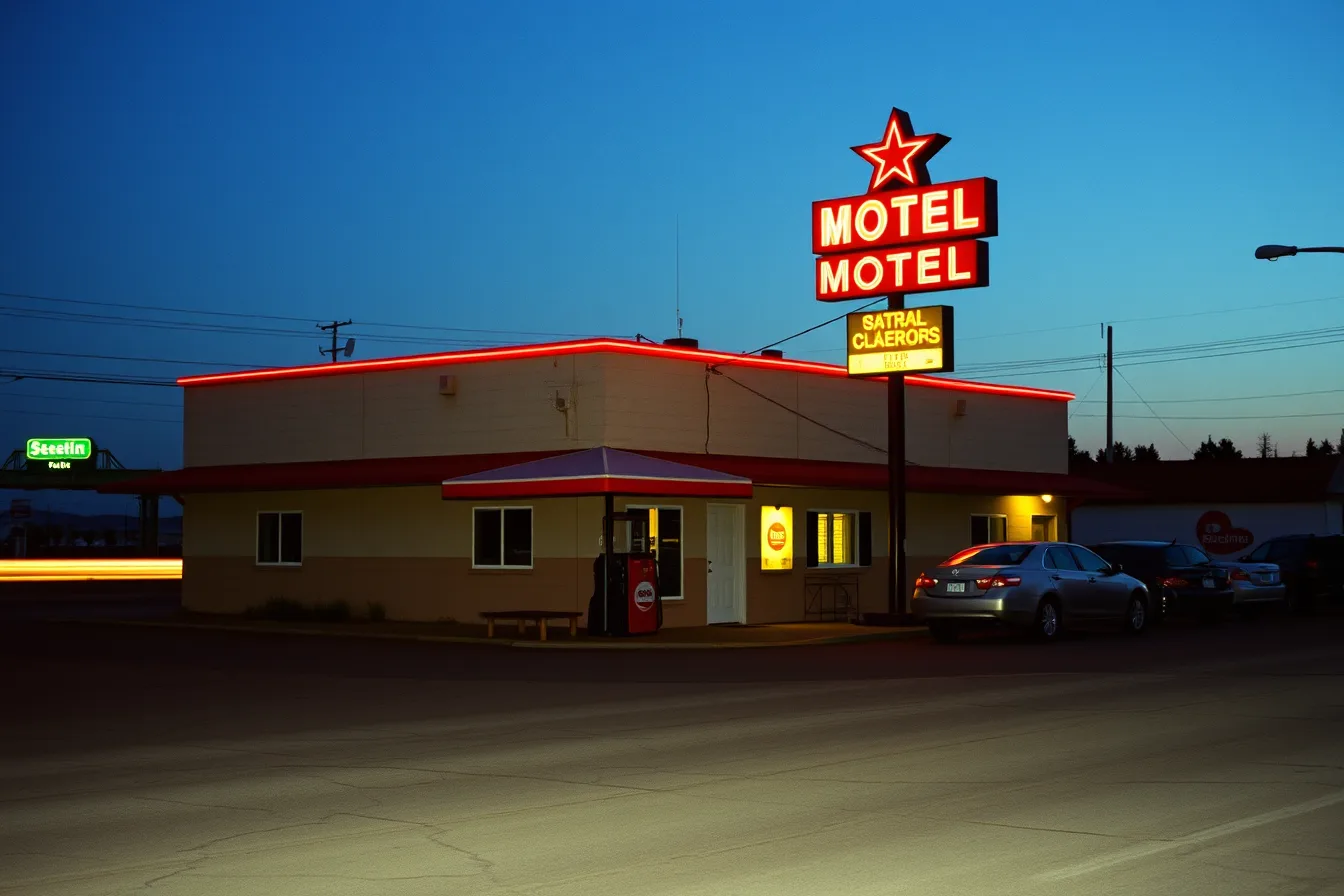
The image is illustrative. It does not establish a motel's present condition, safety, ownership, or project status.
Common questions
Can a photo establish the condition of a roof?
No. It can document an exterior view, while a condition conclusion requires appropriate access and assessment.
Should a post name a contractor for a specific repair?
Only when the information is confirmed and clearly presented as a provider listing or documented project detail.
What is the safest first question?
Ask what record confirms the visible feature and who can verify the condition that is not visible.