Guides
Roadside design studio cost checklist: how to keep every estimate honest
Roadside design studio cost checklist for 2027: label each figure by phase, keep the source trail, and never let a grant request read as an award.
A studio's first number for your porcelain-enamel sign package is not a bid. It is a research allowance: money set aside to find out what the sign is made of, what the enamel loss actually is, and whether a 1950s porcelain face can be cleaned or only replaced.
Confuse the two and you will publish a figure you cannot defend.
What to take away
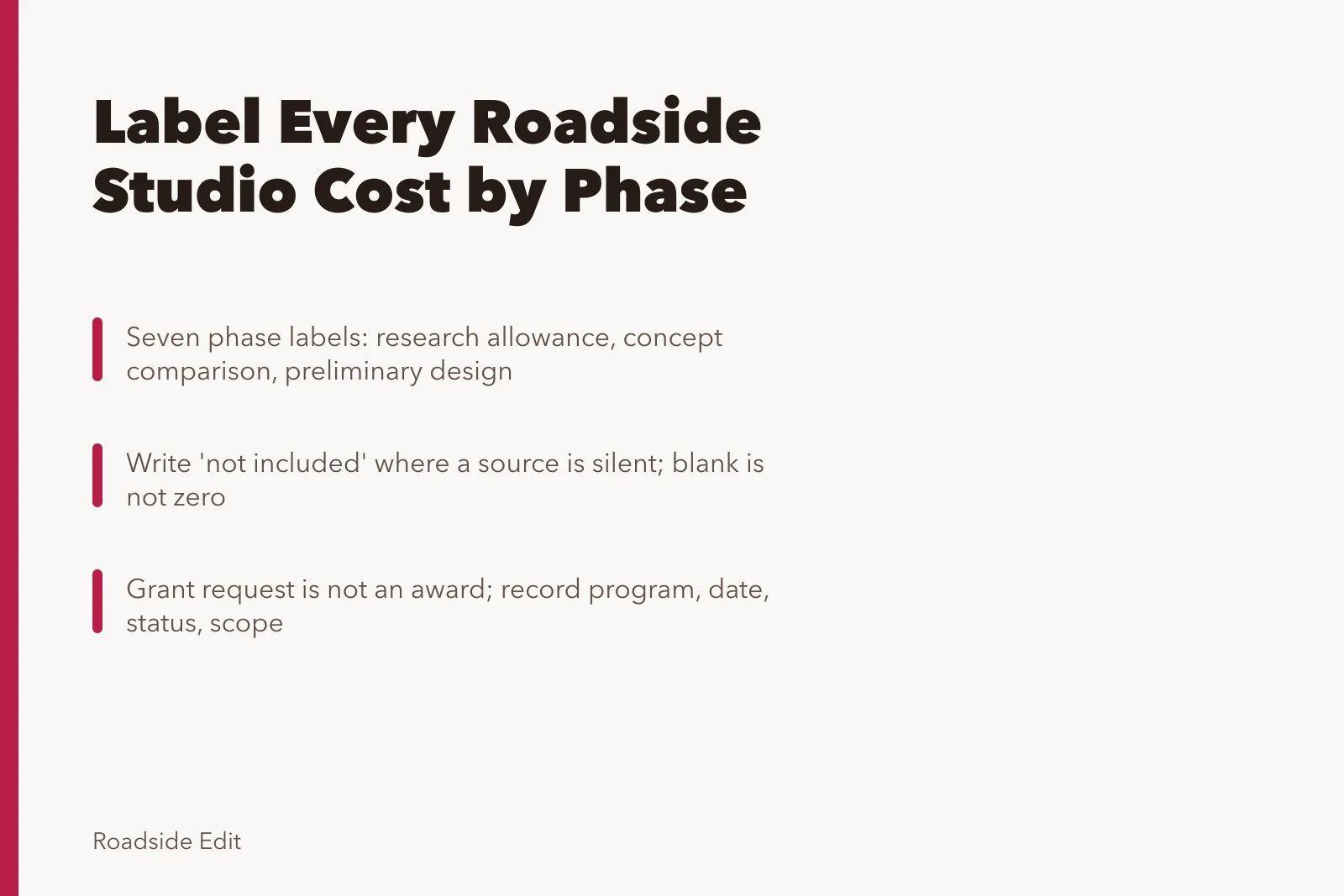
- Label every figure with its phase: research allowance, concept comparison, preliminary design, grant request, bid, contract, or completed cost.
- Tie each amount to a named scope before you compare it with anything else.
- Write "not included" where a source is silent. A blank cell is not a zero.
- Keep the prior version of every estimate, with the date and the reason it changed.
- Name a funder's program and the work it covers before you call money secured.
Phase labels do the work
A cost record is only readable if its label says what stage produced it. Seven labels cover most studio work.
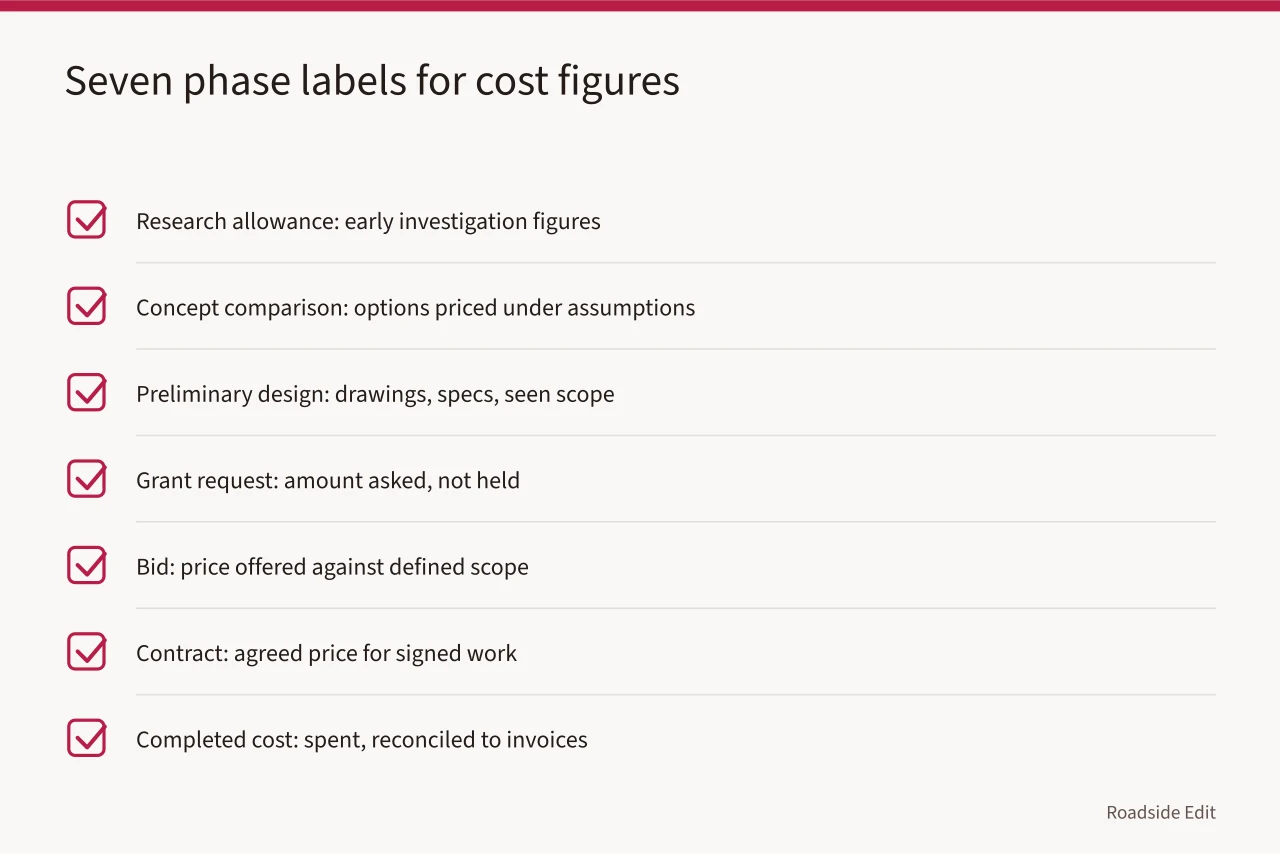
A number without one of these labels will drift. A research allowance quoted in a grant application becomes, three meetings later, "the project cost."
Build the scope before the number
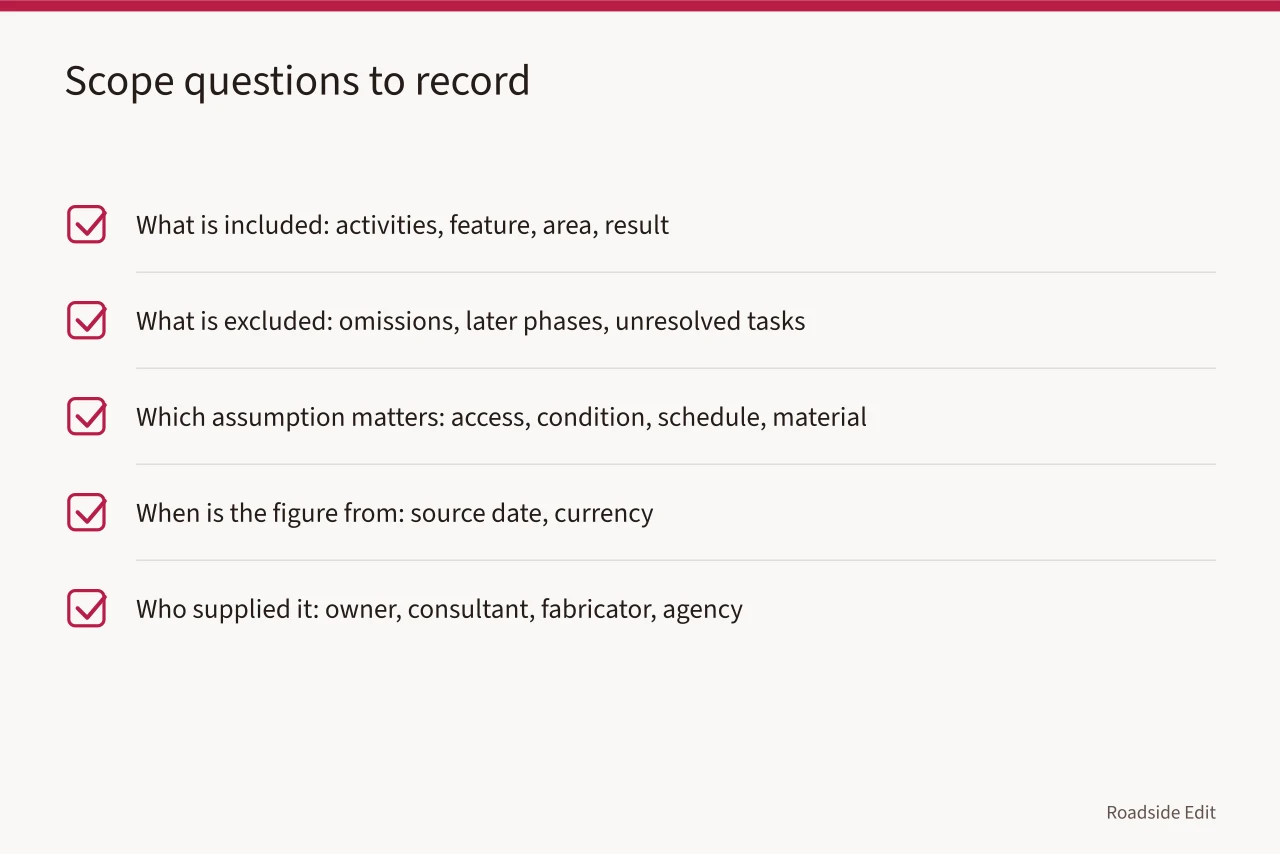
List what each option covers.
For a roadside studio, that usually means several things. Here is what it includes:
- survey days
- travel
- documentation
- fabrication
- shipping
- installation Add review and permitting only when the source names them.
If a source has no figure for a category, write "not included" or "not reported." A blank cell reads as zero and is not.
The Federal Highway Administration's major-project guidance holds that a cost estimate should state its phase, scope, assumptions, uncertainty, and documentation. Read FHWA's cost-estimating guidance. It was written for large transportation programs, not a two-person studio restoring a Route 66 canopy. The rule travels anyway: a figure is only as clear as the basis printed beside it.
Compare bases, not totals
Two estimates can land on the same total and describe different projects. One assumes the enamel face is sound and needs only cleaning. The other carries a full refabrication of the sign cabinet, a new transformer, and two survey trips.
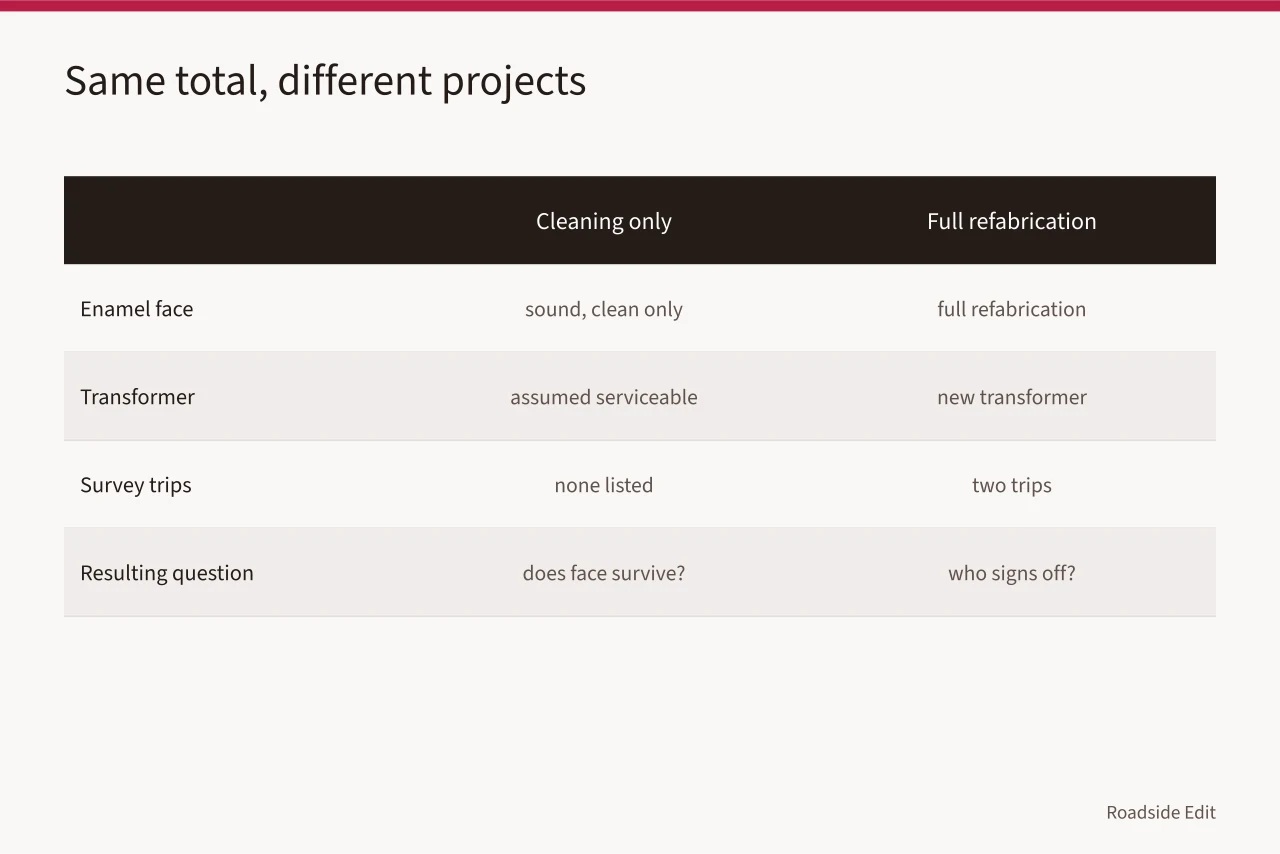
Putting them in one column tells you nothing. Set the assumptions side by side and the difference becomes a question someone can answer: does the enamel face survive, and who signs off on that finding?
The U.S. The Government Accountability Office lists steps of a cost-estimating process:
- ground rules
- assumptions
- data
- estimating methods
- risk analysis
- documentation
- updates Review the GAO cost-estimating guide. It is federal program guidance, but it explains why a concept figure needs written assumptions and a record of later change.
Write assumptions as sentences a fabricator could challenge. "Assumes the neon transformer is serviceable; a failed transformer is a separate line." Do not fold an unexplained reserve into the total and call the result reliable.
Keep funding claims in their stage
Funding language is where estimates get overstated most often. An application submitted is not an award. An award may be restricted to survey work only. A grant may cover half a project while fabrication stays unfunded.
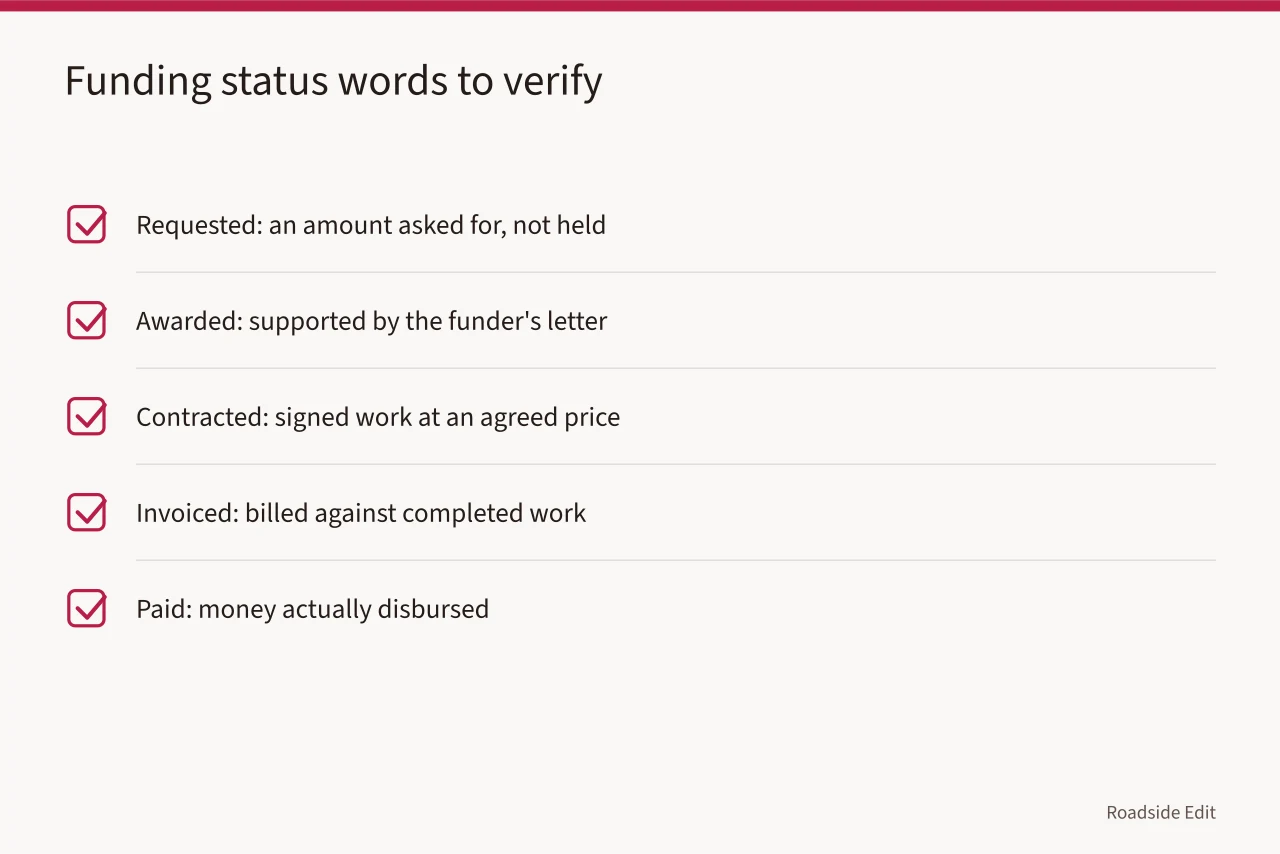
Record the program name, the date, the status, the eligible scope, and the source document.
The National Park Service asks preservation-grant applicants to tie each budget item to the project narrative, so a reviewer can see why the item is necessary. Read NPS application guidance. That covers the NPS program, not every funder. It sets a standard worth copying: never print a funder's amount without naming the work it pays for.
Use requested, awarded, contracted, invoiced, and paid only when the current document supports that word. "Funding is secured" hides which of the five you mean.
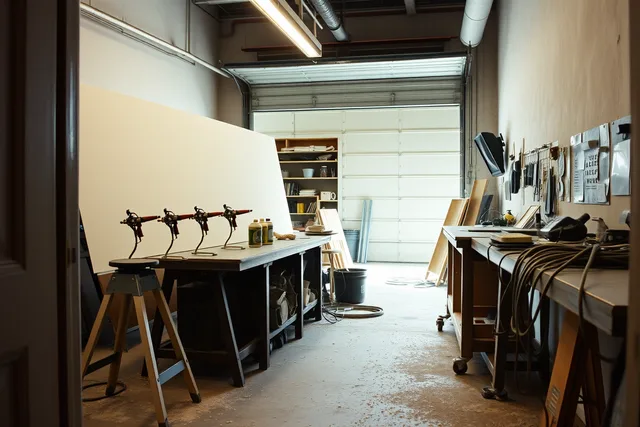
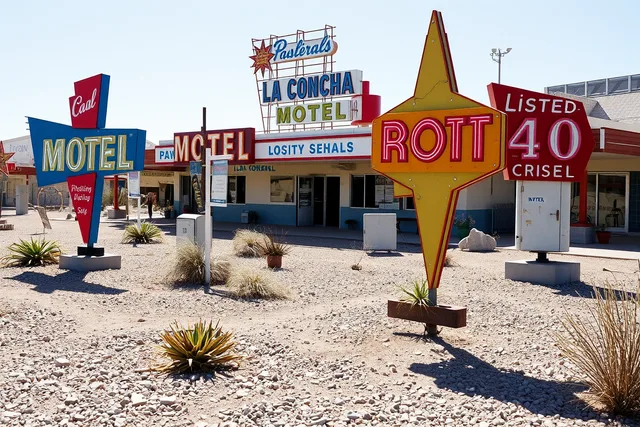
The photograph is context. It shows no scope, cost, condition, or planned work for any project.
Keep the source trail
Every change to an estimate needs a date and a reason. Reasons include:
- a revised concept
- a corrected record
- a changed scope
- an expired price
- a new access condition
- a decision to phase the work Keep the version it replaced.
A reviewer six months later should be able to tell whether the number moved because the work moved or because a source was wrong.
National Archives guidance holds that related records be kept together so their context survives. Review NARA's recordkeeping requirements. It governs federal records, not studio files. The habit transfers: keep the estimate, the source, the scope note, the change log, and the published sentence in one place.
- Version date and figure.
- Source and scope of the figure.
- Assumptions and exclusions in effect.
- What changed from the prior version.
- Whether a published sentence now needs revision.
Write the sentence you can defend
The honest public line names the stage and the limit: "The studio is comparing preliminary figures for the two canopy options; neither is a construction bid or a final project total."
Before you publish, check the sentence against the record. Does the phase label match the document? Does the scope match the work described? Does the status word match the funder's letter?
Do not round a research allowance into a project cost. Do not merge amounts from different scopes without saying so. Readers can work with a limited figure when the limit is stated. They cannot correct a number presented as final with no source behind it.
If a studio's pitch is vague about which phase its number belongs to, that is a warning sign in itself. What to watch for when hiring a roadside design studio covers the questions to ask before you sign.
Common questions
Can a studio use a rough figure to compare options?
Yes, if each option carries a defined scope, a source date, stated assumptions, and a phase label. Publish it as a comparison, never as a price.
Where does a research allowance belong in a grant application?
As its own budget line, tied to the survey or documentation work it funds. Name the activities, and let the reviewer see why each is necessary for the project.
What happens when a new source changes the amount?
Update the record, keep the prior version, note whether scope or source caused the change, and revise any published sentence that no longer matches.