Reviews
Part of Roadside renovation mistake prevention: how to keep assumptions out of scope
Roadside renovation mistake prevention questions to ask before you file
Ask these 2027 roadside renovation mistake-prevention questions about project scope, access, records, evidence, status, and public claims before publishing.
Good questions stop a renovation article from answering issues it cannot verify. Most publication mistakes begin with a small jump: a proposal becomes an approval, a photograph becomes a condition assessment, or a sponsor statement becomes an independent result. Use these questions to keep the record and the article aligned.
What to take away
- Ask what exact source supports a sentence before deciding how it sounds.
- Keep scope, condition, access, status, and cost questions separate.
- Write a clear unknown instead of filling the record with a confident guess.
What mistake is the article trying to avoid?
The first step is to name the failure mode, and each mistake needs a different correction.
An outdated opening date calls for a current responsible update, while a scope error calls for a dated project description. A condition claim may call for an appropriate assessment, not a photograph.
| Decision | First question | Safe next step |
|---|---|---|
| Project status | Who supplied this update and when? | Attribute it precisely |
| Scope | What feature and work stage are stated? | Record inclusions and limits |
| Condition | Is this visible fact or technical conclusion? | Describe only the visible fact |
| Access | Could usability or a route be affected? | Refer through the appropriate process |
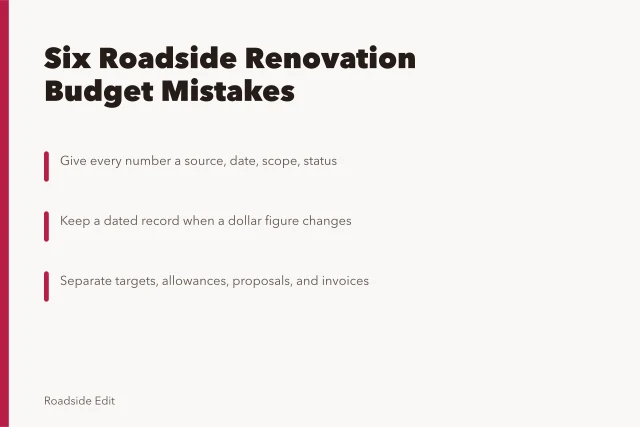
| Budget | What does this number include? | Label it as estimate, allowance, or invoice |
Are you mistaking a proposal for a decision?
Check the source verb: "considering," "seeking," "proposing," "awarded," and "permitted" describe different stages. "Under construction" and "complete" describe other stages.
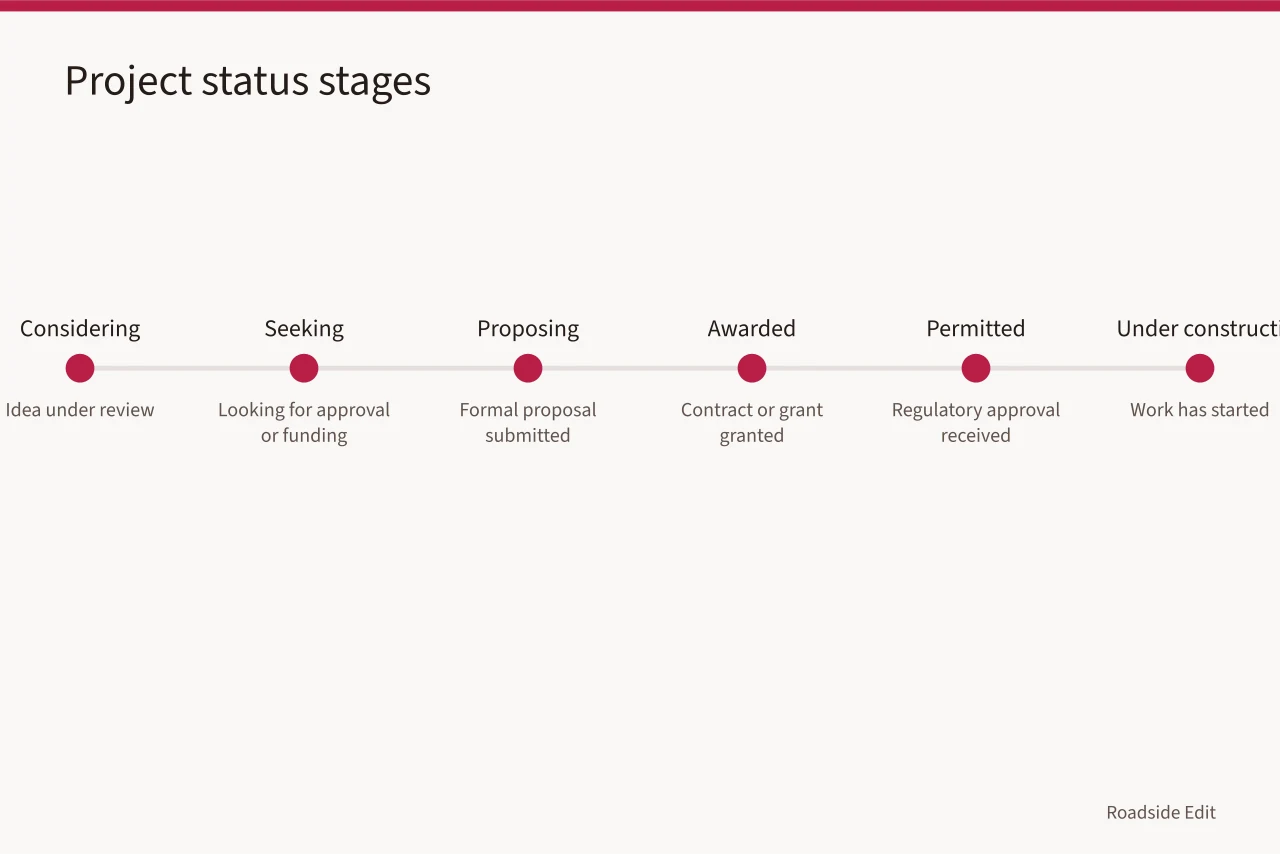
An article should use the responsible record's verb unless a later source clearly changes that stage; a rendering, a fundraising page, or a meeting presentation may show an idea but not prove it was selected or built.
Keep the source date next to the status statement. This matters when an older announcement remains online after a project has been delayed, changed, or cancelled. If the current status is not available, say so. "The available project statement is dated March 2027 and does not confirm a construction start" is a factual limit, not weak reporting.
Are you mistaking a photo for a condition finding?
An image can support a narrow visible description. It may show a painted sign, a boarded opening, a missing panel, or a route marker at a particular time. It cannot establish structural condition, material composition, a safety conclusion, code compliance, ownership, or a cause of damage. Avoid the temptation to make a caption do more than the image can support.
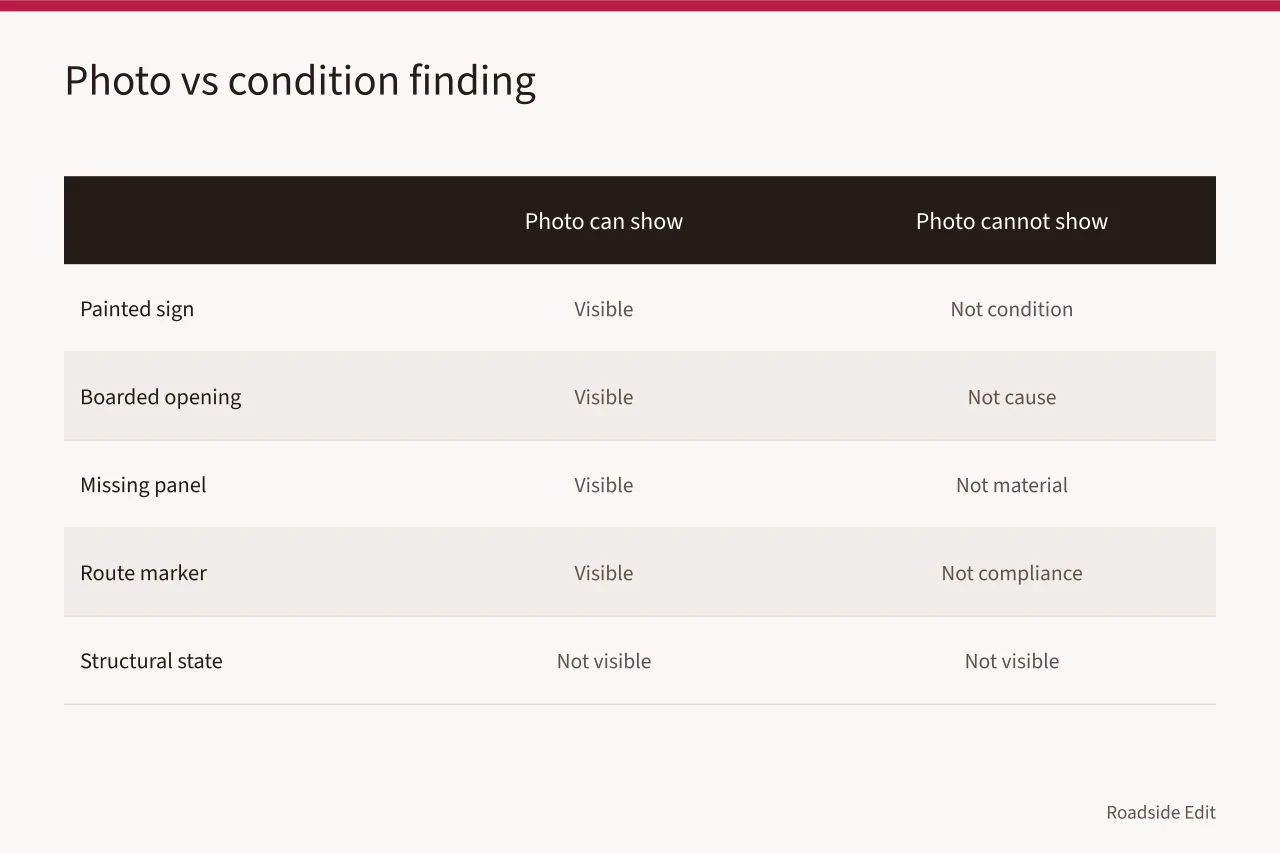
When an article must discuss treatment rather than appearance, source that treatment from a responsible project document. The National Park Service's rehabilitation standards describe a framework that retains historic character while allowing compatible use.
Read the National Park Service rehabilitation standards. They do not select a treatment for a particular roadside property. They support describing a documented proposal as a proposal, not a visual preference as a preservation conclusion.
Are you blurring historic evidence and current facts?
Historic photographs, maps, and news reports are valuable, but they answer past-tense questions. Ask when the source was created, who created it, what it directly records, and what later changes may have occurred. A historic image may establish that a sign or building form existed. It does not establish that the same material, use, or condition survives now.
The National Archives explains that primary sources come from witnesses or participants in events and can provide direct evidence about the past. Review the National Archives explanation of primary sources.
That does not turn every old image into proof of present conditions, but it supports recording source date and provenance so the article keeps past evidence separate from current observation.
Are you making an access claim too broadly?
Words such as "open," "usable," and "accessible" can mean more to a reader than the source supports. Ask which route or feature is being discussed, who uses it, what change is proposed, and whether a responsible authority has made the relevant determination. A new entrance, fresh pavement, or reopened sign does not establish accessibility across an entire property.
The Access Board explains that alterations can affect the usability of a facility and that standards apply in the context it describes. Read the Access Board's ABA Standards guide. It does not decide requirements for a particular roadside project. It supports keeping a change-to-use or access question in the project record rather than treating it as an editorial preference.
Are you turning a sponsor statement into a review?
A business, owner, or agency may provide useful project information. Attribute the statement, preserve its date, and avoid adding conclusions the source does not make. This is especially important for paid placements and list articles. A sponsor's claim that a venue is "ready" or "the best" needs a clear source basis before an article presents it as editorial fact.
The Federal Trade Commission's endorsement guidance addresses disclosure of material connections in endorsements and advertising. Read the FTC's endorsement-guides questions and answers. It does not dictate the wording of every sponsored project update. It supports clear disclosure and a source record when a commercial relationship could affect how readers understand a recommendation.
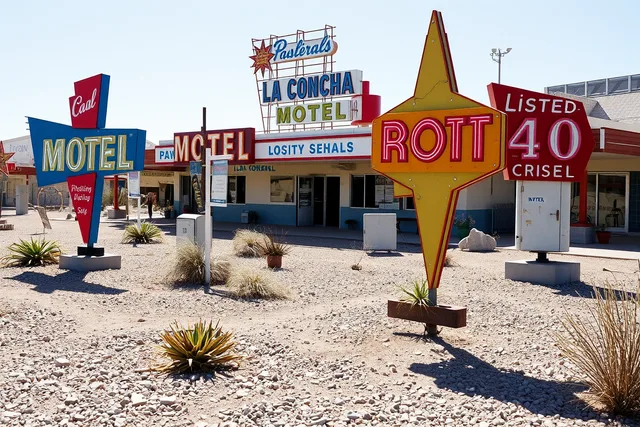
The image is illustrative only. It does not establish a condition, boundary, route status, or project result elsewhere.
A last check before publication
- Does every status verb match the source's stage?
- Does a visual observation stay within what is visible?
- Does the article separate historic context from current condition?
- Does an access claim have the required responsible source?
- Is any commercial relationship disclosed and any sponsor statement attributed?
- Can a reader find the date and limitation for each important claim?
If the answer to any question is no, narrow the sentence or wait for a stronger source. A shorter, well-supported update is more durable than a polished article that overstates the record.
Common questions
Is an old official report enough for a current update?
Only for the fact it establishes at its own date. Use a current responsible source for current status, condition, access, or operations.
Can an editor summarize a sponsor's claims as fact?
Only when a source supports the exact claim. Otherwise attribute it to the sponsor and disclose the relationship where needed.
Do these questions replace a building assessment?
No. They organize the questions that may require an authorized, project-specific assessment.