Guides
Part of How to build a gas station preservation case study method with dated evidence
Gas station preservation case study checklist: how to verify scope and sources before you publish
A gas station case study earns trust when every claim carries a date, a stage label and a named source, from canopy soffit to pump island and price sign.
A gas station case study is a record set about one property at one stated time. It is not proof of present condition, and it is not a promise about the next station down the road. What follows is how to keep the two apart before you publish.
What to take away
- Name the evidence type before you name the finding: HABS-style photograph, tax record, agenda item, permit, or contractor statement.
- Tag every claim with a project stage, from historical context through completion, so a proposal never reads as finished work.
- Anchor a claim to the fabric it describes: porcelain enamel sign, canopy soffit, dry-stand pipe, pump-island footprint.
- Caption an image with its date, maker and what it actually shows, never what you wish it showed.
- Disclose any sponsor relationship near the material it touches.
Start with the fabric, not the story
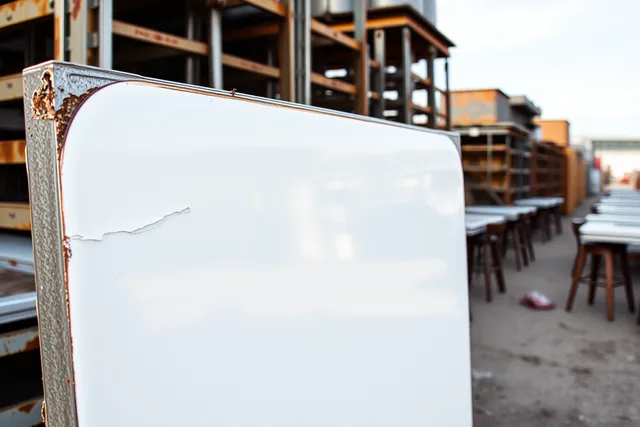
Preservation reporting fails when the writer reaches for a narrative before naming the material. A 1950s porcelain-enamel station sign is dated by its enamel face, its mounting brackets and its letterform.
A 1960s plastic-faced box sign is dated by its cabinet, its acrylic panel and its fluorescent ballast. Those are different evidence types with different failure modes.
A caption that calls both "the old sign" tells the reader nothing checkable.
Write the question at the top of the reporting file, then list what would answer it. A National Register nomination might fix a construction date.
A dated agenda might show a reuse proposal was merely discussed. A current agency notice might identify a permit decision.
Each item does a different job, and mixing them is how a proposal becomes a fact in the second paragraph.
The Library of Congress explanation of HABS, HAER and HALS describes a documentation program built on photographs, written data and measured drawings. A local article is not a federal record, but the discipline transfers: describe what you have, identify it, and claim no more than it supports.
Build a dated evidence file
Keep an evidence log open before you draft. It stops the most common error in local coverage, where a later project update is read back as proof of an earlier condition.
| Evidence type | Record in the log | What it can support |
|---|---|---|
| Historic photograph | Creator or collection, date, caption, stable URL | What was visible when the image was made |
| Property or tax record | Agency or archive, record date, exact title | The facts that record states |
| Meeting item | Public body, meeting date, agenda or minutes | What was proposed, discussed or voted on |
| Permit or agency notice | Issuing body, notice date, permit number | The decision that body recorded |
| Contractor or sponsor statement | Speaker, organization, date, supplied wording | An attributed position, not a verified outcome |
The National Archives records management guidance sets out the federal framework for managing records across their lifecycle. For a case study the useful part is modest: keep a stable citation for the document behind every claim, so a reader can tell an archive item from a public notice from a project handout.
Give the evidence file a revision date. If a cited notice says the city published a request for proposals on March 10, report that and nothing wider. Do not write "the city is restoring the station" unless a current, property-specific record supports the present tense.
Label the project stage
Preservation stories compress stages, and compression is where a proposal starts sounding like completed work. Use these labels in your notes and in the article.
- Historical context. What older records or photographs show about the station.
- Existing-condition reporting. What a dated inspection or public record describes, including canopy soffit and dry-stand pipe observations made by the licensed parties.
- Planning. A concept, feasibility study, budget request or request for proposals.
- Authorization. A vote, permit, grant award or agreement named by the issuing body.
- Work in progress. Activity reported on a stated date.
- Completion. A source that specifically says the named scope was finished.
Do not infer a stage from a ribbon cutting, a rendering or a social post. The National Park Service overview of Section 106 explains a federal review process for undertakings that may affect historic properties.
It does not decide whether a particular station is eligible, approved or funded. It shows why an article should name the actual agency action and its date instead of reading legal status off a fresh coat of paint.
Write claims at the strength of the record
Match wording to evidence. "The council agenda listed a discussion of a reuse proposal" is precise. "The council approved a reuse plan" needs minutes or another record of the vote. "The site will become a cafe" is a future claim from an owner or developer, not a settled result.
Attribute when the source is a participant. "According to the operator's April statement, the company intends to seek bids for roof work" tells the reader who spoke, when, and which stage it describes. It also leaves room for the plan to change.
Enamel, neon and glazing claims need the same care. Over-painting original enamel, replacing neon with LED, or swapping a curtain-wall panel are all reversible or irreversible depending on method, and the method is set by the fabricator and the standards the owner is working to.
Name the fabricator and the standard, not a verdict. The Secretary of the Interior's Standards and your State Historic Preservation Office are the authorities; a magazine is not.
If an article mentions a sponsor, a paid placement or donated service, disclose it near the relevant material. The Federal Trade Commission's endorsement guidance addresses disclosure when a relationship could affect how readers weigh an endorsement.
It does not make a statement true or false. It supports the separate practice of telling readers who supplied or influenced a published claim.
Caption images as evidence, not atmosphere
A photograph is a dated document. Its caption should carry the date, the maker or collection when known, and what it depicts, and it should never imply the image shows current condition.
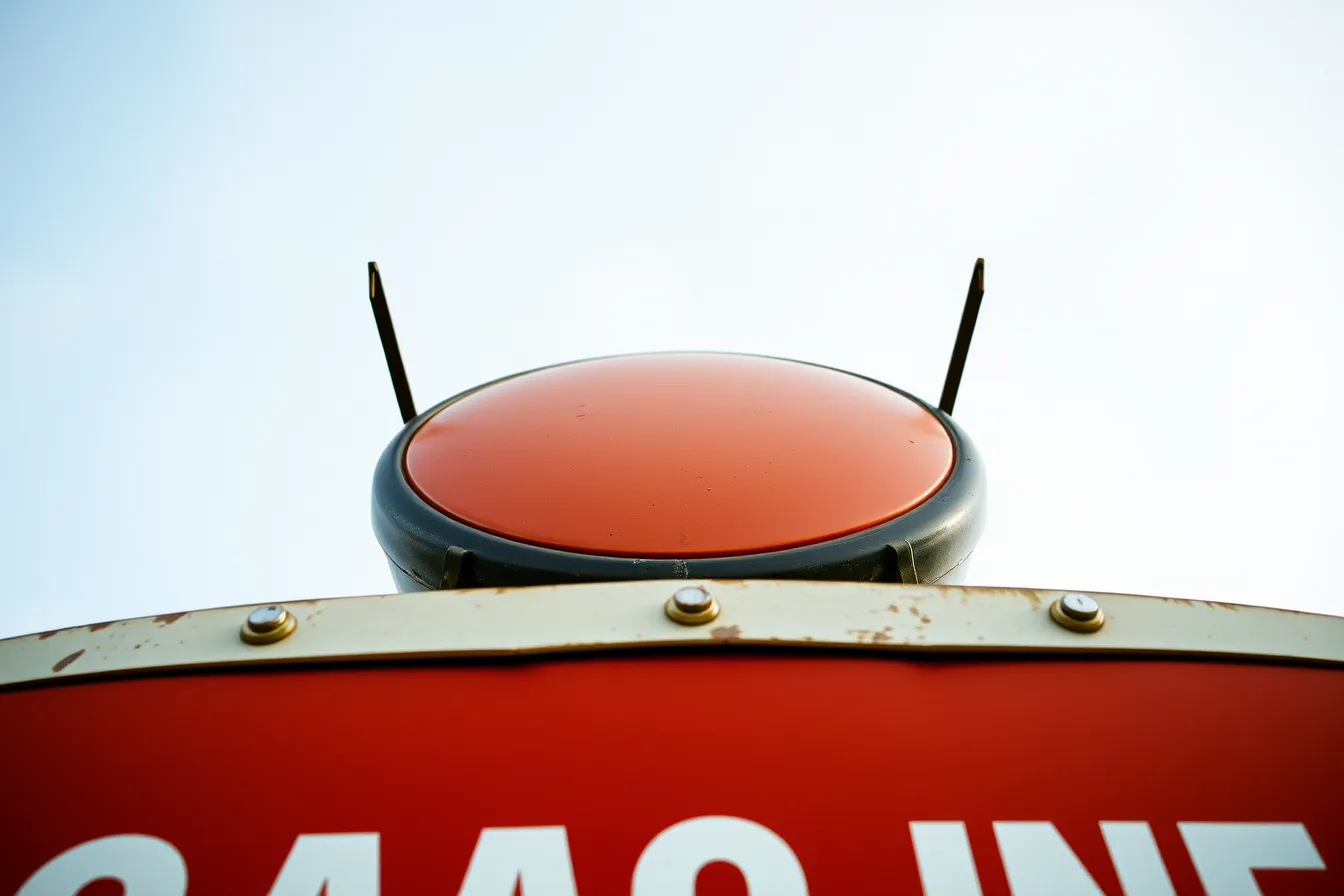
A current image should state when it was made and whether the photographer had property access or shot from the public right of way. If an image is decorative rather than property-specific evidence, say so in the caption.
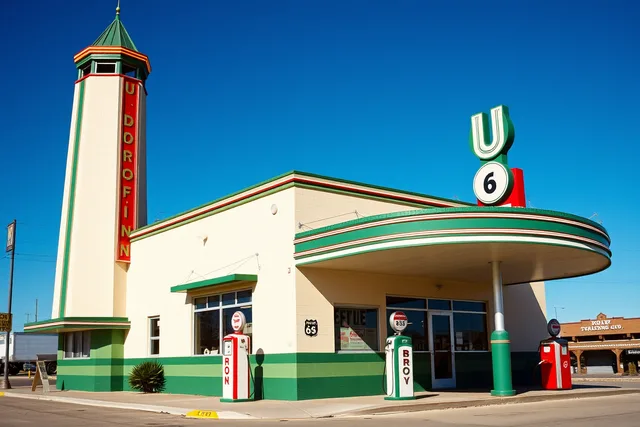
A photograph of another station can illustrate an era, a canopy form or a roadside setting. It cannot establish project stage, accessibility, contamination status or future use for the station you are writing about.
Worked example: the canopy soffit sentence
Suppose your notes hold three items. A 1962 photograph shows a flat canopy with a recessed soffit. A 2026 contractor statement says the soffit was rebuilt to match the original profile. A 2026 agenda item shows a certificate of appropriateness application was filed.
Three sentences, three stages. The photograph is historical context. The contractor statement is work reported as done, attributed and dated. The application is planning or authorization, depending on what the commission recorded. Written as one sentence, "the canopy was restored to its 1962 profile," the article claims all three at once and can support none of them.
Common questions
Can a historic photograph prove present condition?
No. It shows what was visible when it was made. Any present-tense description needs dated, property-specific reporting, and the licensed parties who inspected the fabric.
Does a project announcement prove completion?
No. Identify whether the source describes a proposal, an award, a start, a progress update or finished work, and use the stage the source itself names.
Can a case study name a sponsor?
Yes. Disclose the relationship, attribute any supplied statement, and keep the editorial account separate from the sponsor's claims.