Guides
How to build a gas station preservation case study method with dated evidence
Build honest 2027 gas station preservation case studies with dated evidence, clear project stages, useful comparisons, and limits that protect readers.
A case study can explain a former gas station project without claiming one building answers every case. The useful version explains what the property was and what the source record shows. It covers what question the project addressed, what work was documented, and what remains unknown.
The weak version begins with an attractive before-and-after image and turns it into a promise about costs, cleanup, approvals, public access, or results at every other station.
This method is designed for editorial planning. It can support a local history feature, project profile, paid placement, or research brief. It does not determine a treatment, verify a condition, or replace a professional report. Its job is to make the limits of the evidence visible.
What to take away
- A case study should answer a narrow question, not celebrate a result without context.
- Separate historical records, current observations, proposed work, completed work, and business claims.
- Use dated, property-specific material for claims that can change.
- Explain why the example is relevant and why it may not transfer to another station.
- Keep sources and visual credits attached to the statements they support.
Start with the question the example can answer
Before gathering images or interviewing a project team, write one sentence that defines the case. Good questions are narrow. Examples include: "How did this project record a historic canopy before a rehabilitation proposal?" "What documents describe the reuse plan at the time of publication?" or "Which public records distinguish an early concept from completed work?"
Avoid questions that demand a conclusion the evidence cannot carry. "How much does gas station restoration cost?" and "Are all former stations safe for reuse?" are not case-study questions.
They combine many variables and invite turning a local example into a broad promise. A case shows what happened at one property, under a documented scope and date. It cannot prove a similar result elsewhere.
Assemble five separate evidence folders
Keep different types of information separate as you research. The separation is not bureaucracy. It prevents a history photo from becoming a present-condition claim or an owner's plan from becoming a completed project statement.
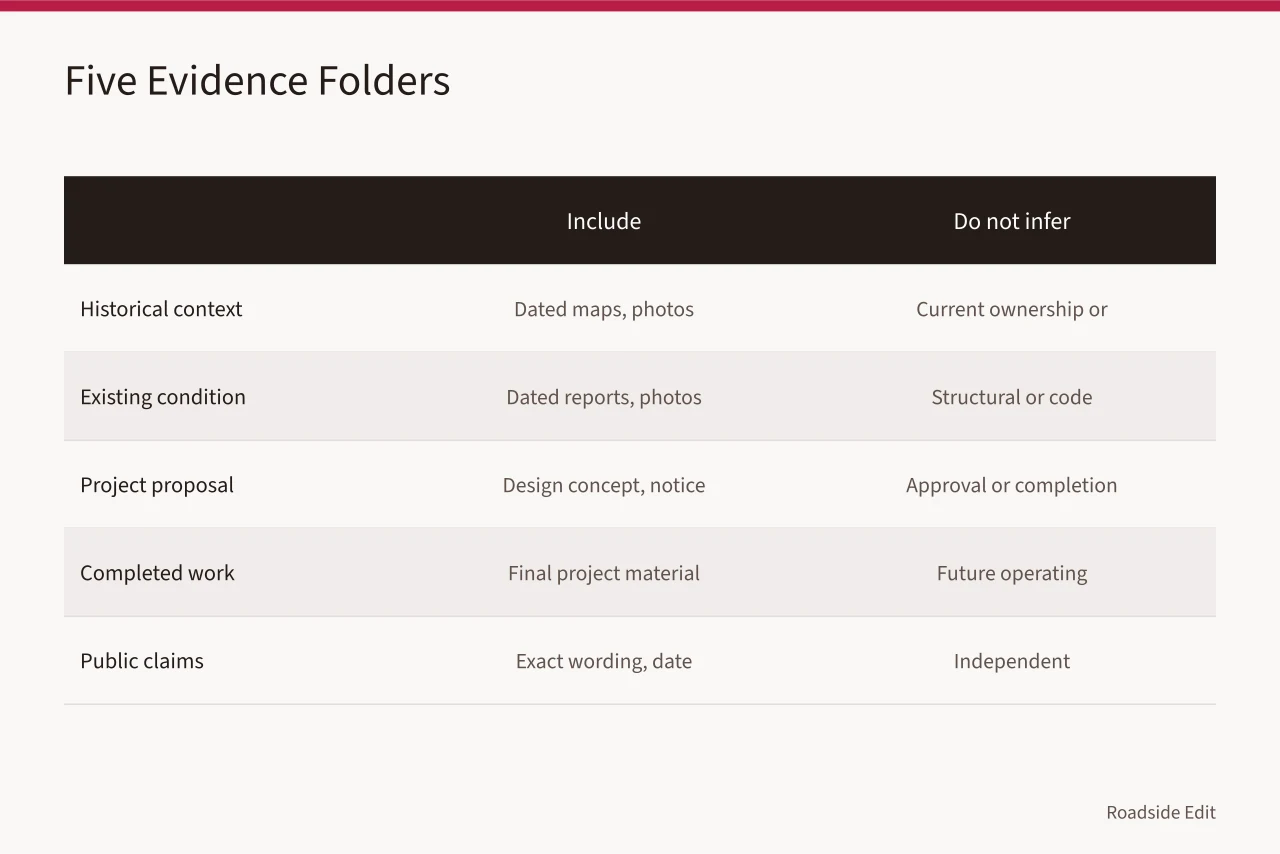
| Folder | Include | Do not infer |
|---|---|---|
| Historical context | Dated maps, photographs, nomination material, archival descriptions | Current ownership, condition, or access |
| Existing condition | Dated reports, authorized observations, current photographs with limits | Structural, environmental, or code conclusions without the source |
| Project proposal | Design concept, public notice, owner or agency statement | Approval, funding, or completion |
| Completed work | Final project material, agency record, attributable completion statement | Long-term performance or future operating status |
| Public claims | Exact business wording, date checked, source, correction owner | Independent verification just because a claim was published |
This method produces better writing. Instead of saying "the station was restored," an article can say, "A 2026 project profile describes a completed exterior rehabilitation" or "The owner announced a reuse proposal, which remained subject to later steps."
That more specific sentence is less dramatic, but more resilient when plans change.
Build a timeline before writing the narrative
Chronology is the backbone of a credible case study, so build a small timeline with sources for each entry. Start with the station's documented period of operation or construction when available.
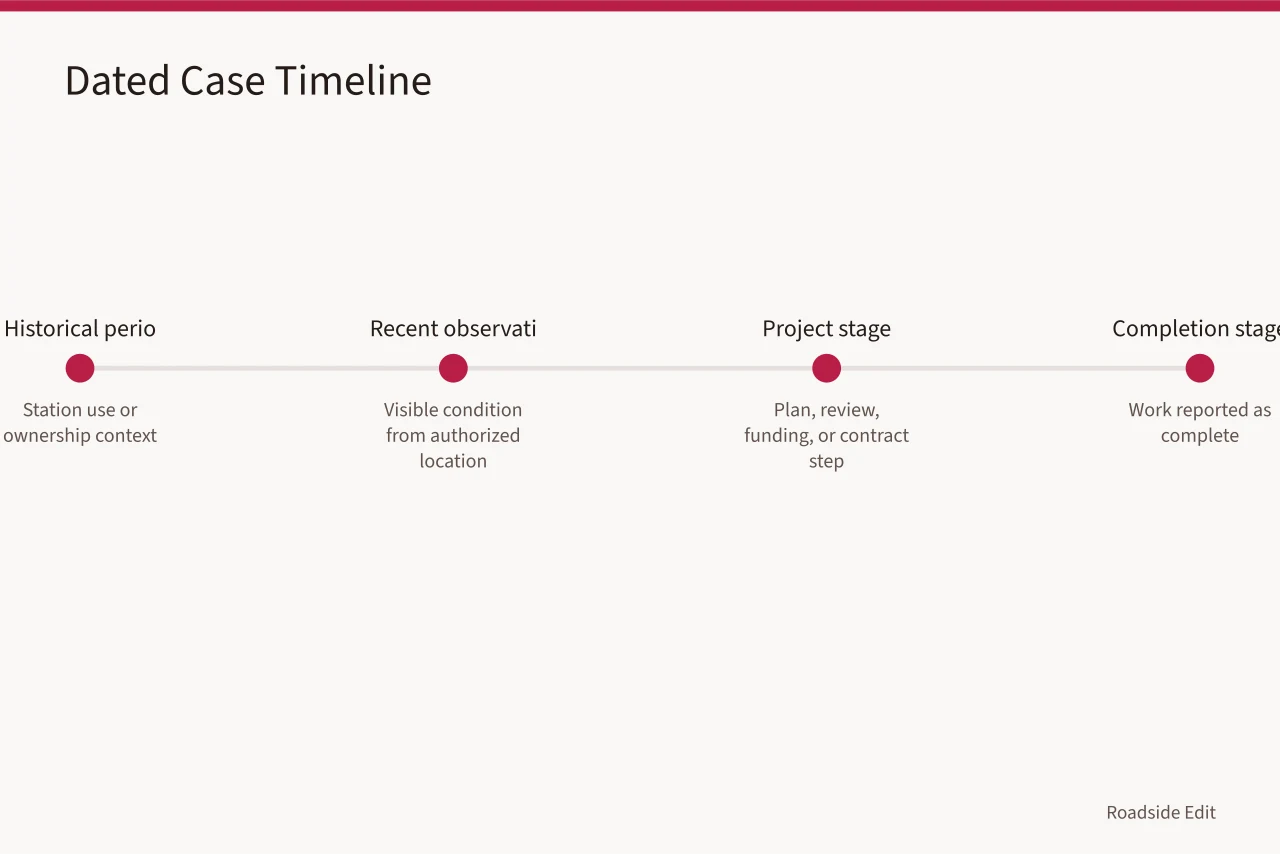
Add dates for closure, public proposal, survey, and approval only when a source supports each event. Add construction start and completion announcement the same way, and leave gaps visible instead of a smooth story.
| Date | What the source shows | Source type | Editorial limit |
|---|---|---|---|
| Historical period | Station use, design, or ownership context | Archival record or historic image | Does not establish current status |
| Recent observation | What was visible from an authorized location | Dated photo or report | Does not diagnose hidden conditions |
| Project stage | A plan, review, funding event, or contract step | Agency or owner record | Does not prove final completion |
| Completion stage | Work reported as complete | Dated project record | Does not prove future access or performance |
Do not collapse the timeline into one present-tense label. A property can be historically important, physically altered, under study, funded for an early phase, and closed to the public at the same time. Readers deserve the distinction.
Explain the project scope in plain language
The case study body should explain the work, but only as far as records allow. Identify the scope, the responsible organization, the source date, and the split between completed and proposed work.
Do not call every paint project a restoration or every new tenant an adaptive reuse success. Attribute descriptions that come from a provider or sponsor.
EPA's Brownfields success-stories collection provides project summaries and cautions that its stories are a sample rather than a full inventory. Review EPA Brownfields success stories. The collection is not a template for every former station, but it reinforces a useful editorial discipline: name the project context and do not represent a curated set of examples as the whole field.
Compare a second example only when it adds a difference
One case study can be enough. Add a comparison only if it exposes a meaningful difference, such as building type, site history, ownership arrangement, treatment objective, public role, climate, project stage, or funding structure. A list of pretty stations adds visual variety but rarely gives the reader a better method.
Start by asking directly: What differs here? If one station had an established historic record before rehabilitation and another is only at a research stage, say so. If one project reports completed community use and another has a proposed tenant, do not use the same success label.
The comparison should teach the reader to identify the limit, not erase it.
Keep costs and benefits tied to their scope
Costs attract attention. A case study should never turn a project-specific amount into a market promise.
If a source reports a number, state what it covers, the date, the funding or cost category, and whether it is a proposal, contract, award, or final amount. Do not blend a construction value with land acquisition, environmental work, public infrastructure, or operating costs unless the original source does so clearly.
Apply the same restraint to claimed benefits. A project may report jobs, visitors, tax-credit participation, housing units, events, or public-space access. Quote the responsible source and avoid predicting the same outcome for another town or site. When the record is incomplete, state the limit rather than inventing a more appealing result.
Use photographs as context, not proof
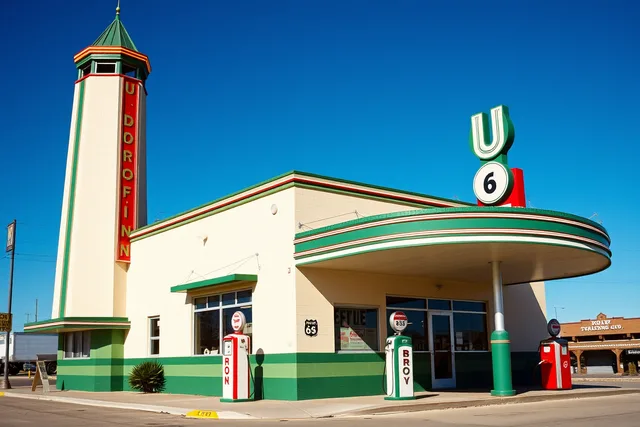
Every image needs a real credit and a caption saying what it is. A historic photograph can support a description of appearance when it was taken. A current exterior image can show what was visible at its date and vantage point.
Neither one automatically supports a conclusion about interior condition, environmental status, structural stability, ownership, or permission to enter.
The National Park Service's historic documentation standards describe research and documentation as material that can support preservation planning and related work. That supports a source-led case-study method. It does not make an archival source a substitute for current property information or a professional conclusion.
The National Archives explains what makes a primary source. A source can be direct evidence for one question while being incomplete for a later question. Keeping that distinction in the draft is how an article avoids converting a historic picture or an early proposal into proof of a completed result.
Where a business funds a profile or submits project material, disclose the relationship. The Federal Trade Commission's endorsement guidance addresses material connections that may affect how readers assess an endorsement. Label the supplied material and retain independent evidence for any conclusion that appears in editorial voice.
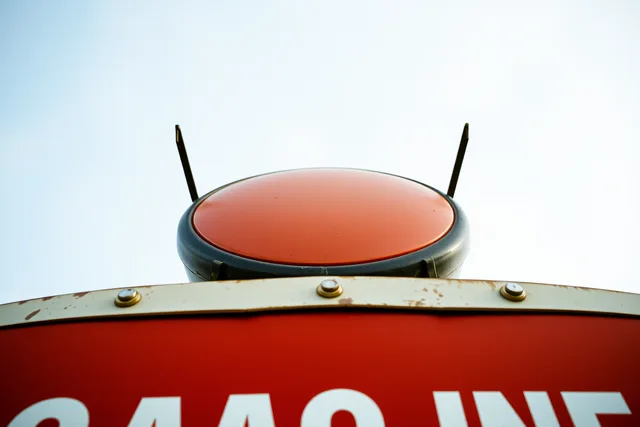
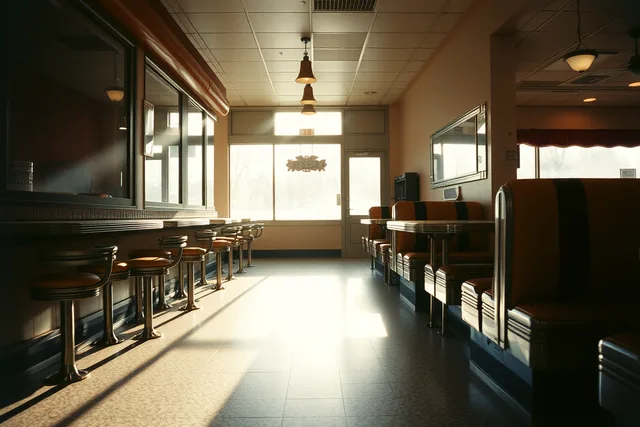
The image is illustrative only and does not document another station's project stage, condition, or public access.
Publish with a correction path
End the case study with a brief methodology note: name the publication date, main source types, and how supplied statements differ from records.
Offer a correction route, because this matters for paid placements as much as for editorial work. A sponsor can submit a current description. Payment cannot make a future plan into an approval or remove a correction supported by new evidence.
Before publishing, ask four questions:
- Does every present-tense statement have a current, property-specific basis?
- Did the article separate facts, reported claims, proposals, and completed work?
- Does each image caption describe the image instead of making a wider claim?
- Could a reader wrongly treat this case as a price, safety, cleanup, or approval guarantee for another station?
If the answer to the last question is yes, narrow the wording. A case study earns trust by showing its boundaries.
A reusable editorial template
Use the same sequence for every feature: one-sentence question, historical context, dated existing-condition evidence, documented project stage, defined scope, comparison only when it adds a real difference, and a short limitations note.
That modest order lets a reader inspect the reasoning. It also gives a project team a fair chance to correct a record. That chance comes before a broad claim travels further than its evidence.
Common questions
Can a single project be called proof that another station can be reused?
No. It can show a documented example and raise useful questions, but each property needs its own records, conditions, approvals, and project decisions.
Should a case study include a project's cost?
Only when the amount has a reliable source and the article explains what the number covers, when it applied, and what it does not include.
Can sponsored content use a case-study format?
Yes, when sponsorship is disclosed and supplied claims are attributed. The article should still distinguish a proposal from an approval or completed outcome.
In this guide
- Gas station preservation case study checklist: how to verify scope and sources before you publishA gas station case study earns trust when every claim carries a date, a stage label and a named source, from canopy soffit to pump island and price sign.
- How to ask better case study questions about former gas stations in 2027Ask better 2027 case-study questions about former gas stations by separating evidence, project stages, results, limitations, and meaningful comparisons.
- How to read 2027 station preservation case study budgets without mixing scope and costRead 2027 former-station case-study budgets with better context by separating project scope, funding sources, time periods, estimates, awards, and final costs.
- Gas station preservation case study records owners should keep for 2027Use the U-Drop Inn in Shamrock, Texas, to see 2027 records owners should keep: source logs, image credits, timelines, project notes, corrections, and claim limits.