Guides
How to plan motel exterior regional adaptation for 2027 with local climate evidence
Plan 2027 motel exterior adaptation with local climate evidence, named tools like NOAA Atlas 14, FEMA NRI, EPA runoff data, and season-specific steps.
Regional language is useful only when it keeps readers from making broad assumptions. A motel exterior in the United States can face different heat, moisture, wind, and storm patterns. Snow, freeze-thaw cycles, and salt add local stress. This 2027 guide names real planning steps, adaptation measures, and climate evidence sources. Property-specific decisions still go to the owner or qualified professional.
What to take away
- Pull county or station evidence from NOAA Atlas 14, FEMA National Risk Index, and the USDA Plant Hardiness Zone Map before you budget.
- Use the DOE climate zone as a planning reference, not a condition assessment.
- Match each exterior measure to a documented exposure, such as sun, rain, wind, snow, or flood.
- Name the product or standard, such as a CRRC rated roof coating or an IBHS FORTIFIED Commercial wind detail.
- Keep vendor listings separate from independent climate evidence and qualified review.
Build a 2027 evidence file
Start with local climate evidence that has a source page and date. The Department of Energy describes Building America climate regions using temperature and precipitation measures. Review DOE's climate-zones overview. That is a planning reference, not a motel inspection.
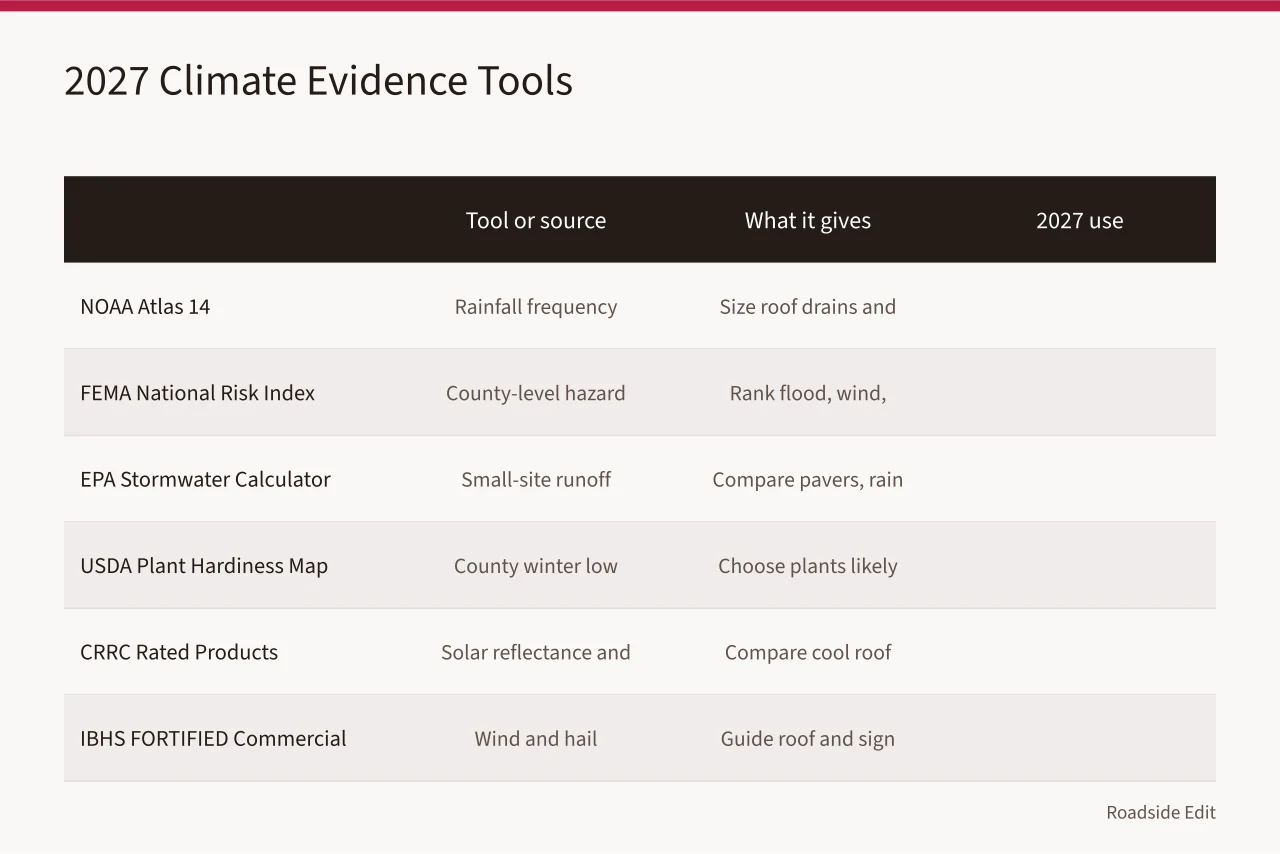
| Tool or source | What it gives | 2027 use |
|---|---|---|
| NOAA Atlas 14 Precipitation Frequency Data Server | Free rainfall frequency estimates for many U.S. locations | Size roof drains, gutters, and parking lot drainage |
| FEMA National Risk Index | Free county-level scores for 18 natural hazards | Rank flood, wind, wildfire, and winter weather risk |
| EPA National Stormwater Calculator | Free desktop tool for small-site runoff estimates | Compare permeable pavers, rain gardens, and detention |
| USDA Plant Hardiness Zone Map | Free county-level winter low temperature zones, updated 2023 | Choose plants likely to survive local cold |
| Cool Roof Rating Council Rated Products Directory | Free ratings for solar reflectance and thermal emittance | Compare cool roof coatings and single-ply membranes |
| IBHS FORTIFIED Commercial | Voluntary wind and hail resilience standard | Guide roof, soffit, and sign attachment details |
NFRC, a nonprofit rating body, gives U-factor, solar heat gain coefficient, and air leakage values for windows and doors; use the ratings to compare exterior door replacements.
ENERGY STAR roof products meet a federal reflectance or emittance specification; the program lists certified products by manufacturer. Both tools are free to search, and neither approves a specific motel installation.
Each entry should record the source name, date checked, and geographic coverage. Do not use a national map to prove a single wall failed.
Map exterior exposures before choosing measures
A regional label cannot select a measure. A documented exposure can. Walk the property in safe weather and record what you can see. Use the same viewpoints each time.
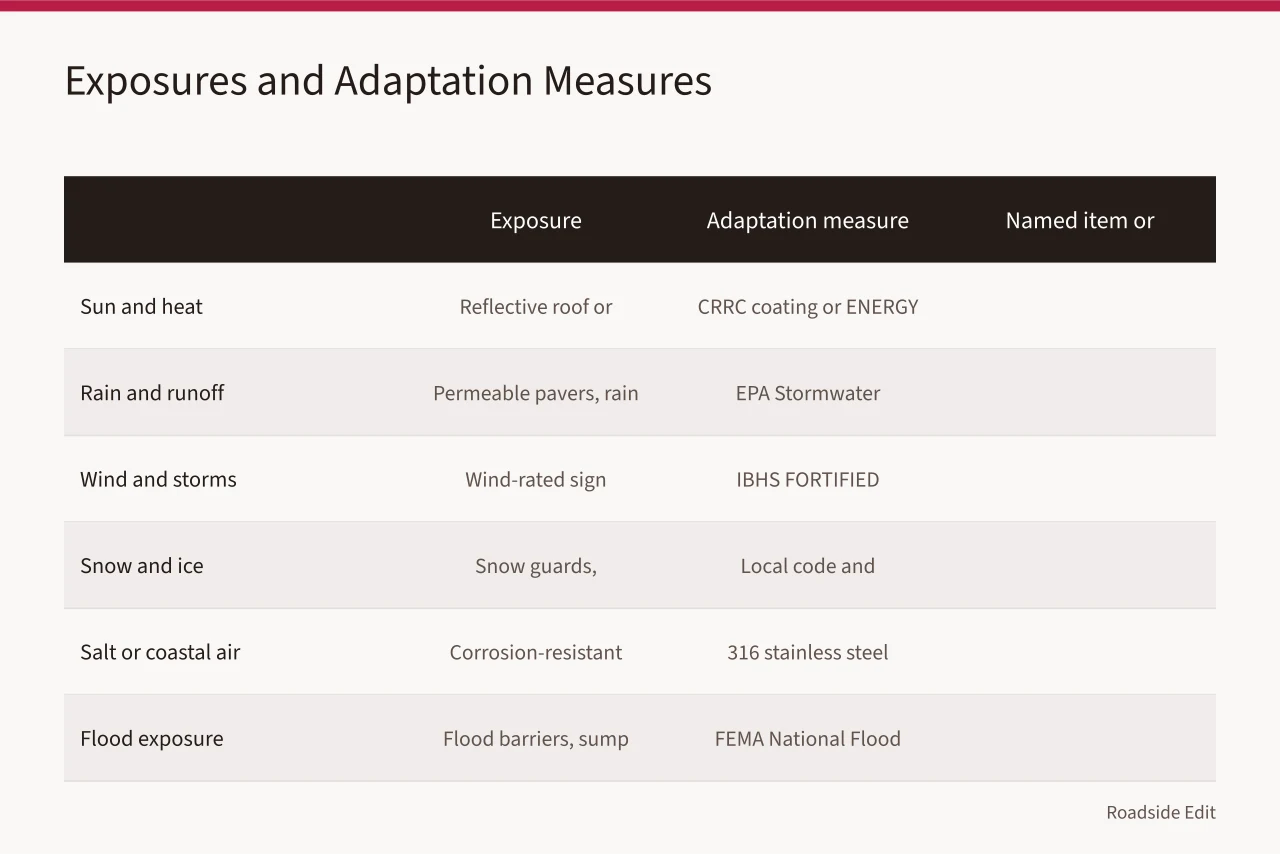
| Exposure | Adaptation measure | Named item or standard |
|---|---|---|
| Sun and heat | Reflective roof surface or shade | CRRC rated coating or ENERGY STAR roof product |
| Rain and runoff | Permeable pavers, rain garden, or backwater valve | EPA National Stormwater Calculator sizing |
| Wind and storms | Wind-rated sign brackets and soffit fasteners | IBHS FORTIFIED Commercial details |
| Snow and ice | Snow guards and freeze-proof hose bibbs | Local code and manufacturer limits |
| Salt or coastal air | Corrosion-resistant fasteners and connectors | 316 stainless steel hardware |
| Flood exposure | Flood barriers, sump pumps, or raised utilities | FEMA National Flood Hazard Layer maps |
These are planning options, not a diagnosis. A qualified professional must confirm structural, electrical, plumbing, and code questions.
A cool roof may not suit every historic roof. Some coatings need slope or substrate checks. A reflective roof can reduce cooling demand in hot counties. It can also change snow melt in cold counties. Check manufacturer limits and local code.
Set a 2027 planning calendar
Use a month by month plan so adaptation does not stall. Adjust dates for your climate and budget cycle.
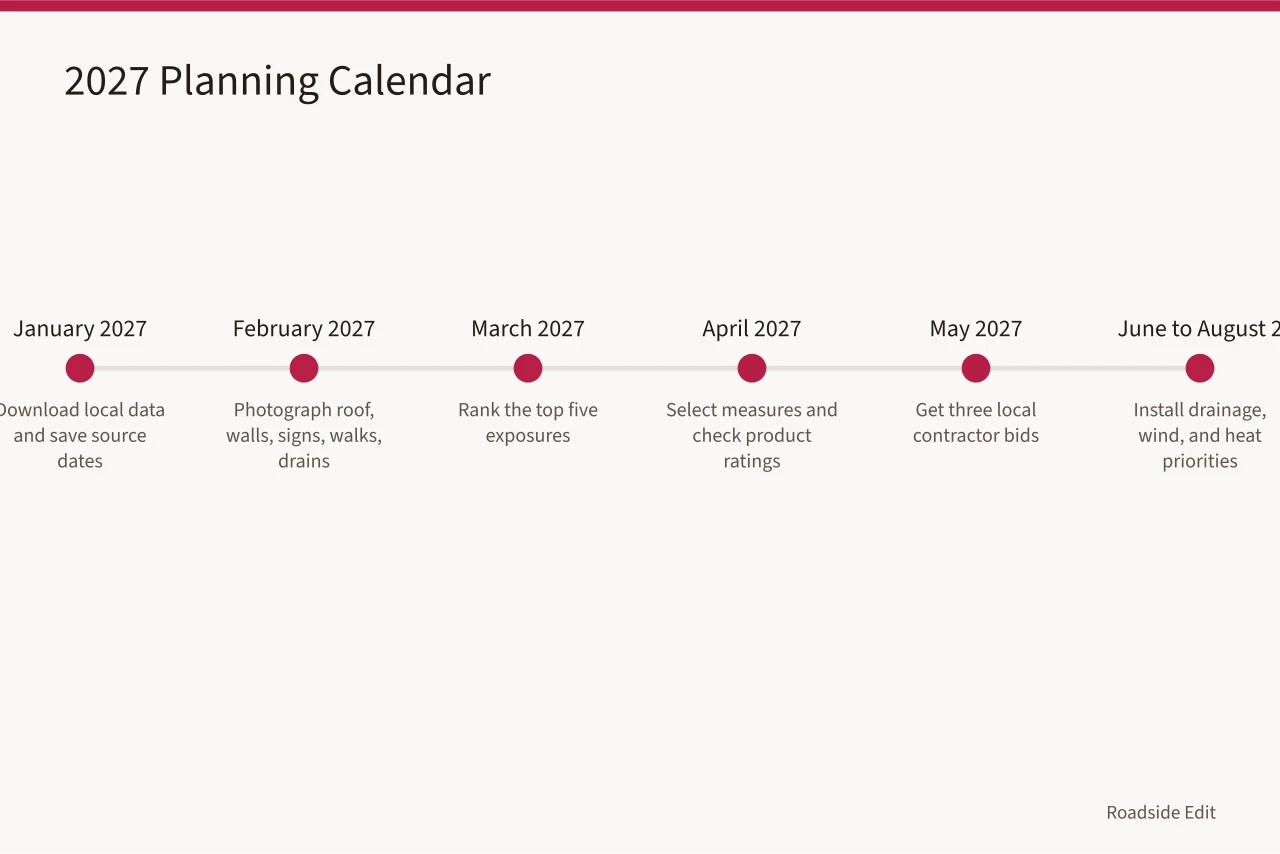
| Time | Action | Evidence input |
|---|---|---|
| January 2027 | Download local data and save source dates | NOAA Atlas 14, FEMA NRI, DOE climate zone |
| February 2027 | Photograph roof, walls, signs, walks, and drains | Dated site record |
| March 2027 | Rank the top five exposures | Local risk scores and visible conditions |
| April 2027 | Select measures and check product ratings | CRRC, NFRC, ENERGY STAR, USDA zones |
| May 2027 | Get three local contractor bids | Written scope and product data |
| June to August 2027 | Install drainage, wind, and heat priorities | Permits and manufacturer instructions |
| September 2027 | Inspect work and update the file | Photos, invoices, and punch list |
| October to December 2027 | Monitor performance and set 2028 review | Weather records and maintenance log |
A small property may combine steps. A property in a high-risk county may move faster. The point is to tie each dollar to a documented local condition.
If a measure needs a permit, add four to six weeks. If a measure touches a sign, check local sign code and wind load. If a measure touches a walk, check ADA routes and drainage.
Use local climate evidence for each measure
Heat planning can use NOAA temperature normals and the DOE climate zone. A cool roof coating from a CRRC rated product may lower surface temperature. Check the product rating and local code before purchase.
Water planning can use NOAA Atlas 14 and the EPA National Stormwater Calculator. A backwater valve may suit a low entry. Permeable pavers may suit a lightly used walk. A civil engineer should size these measures.
Wind planning can use FEMA National Risk Index scores and IBHS FORTIFIED Commercial details. Wind-rated sign brackets and sealed roof edges may reduce damage. A structural engineer should confirm attachments.
Winter planning can use the USDA Plant Hardiness Zone Map and local snow records. Snow guards and freeze-proof hose bibbs may protect entries and walks. Salt-tolerant plants can reduce dieback near parking areas.
Coastal planning can use local salt exposure records. 316 stainless steel fasteners resist corrosion better than standard steel in many coastal settings. Rinsing schedules and coating choices still need manufacturer guidance.
Separate local information from commercial content
Regional guides attract businesses that serve particular markets. A business profile or paid placement is not local climate evidence. Label commercial information clearly. Do not treat a sponsored claim as an independent recommendation.
Keep the editorial evidence file separate. Record the source URL, the sentence it supports, the date checked, and the reviewer name. This practice matters because broad regional language can hide a missing property fact.
Compare records before changing the plan
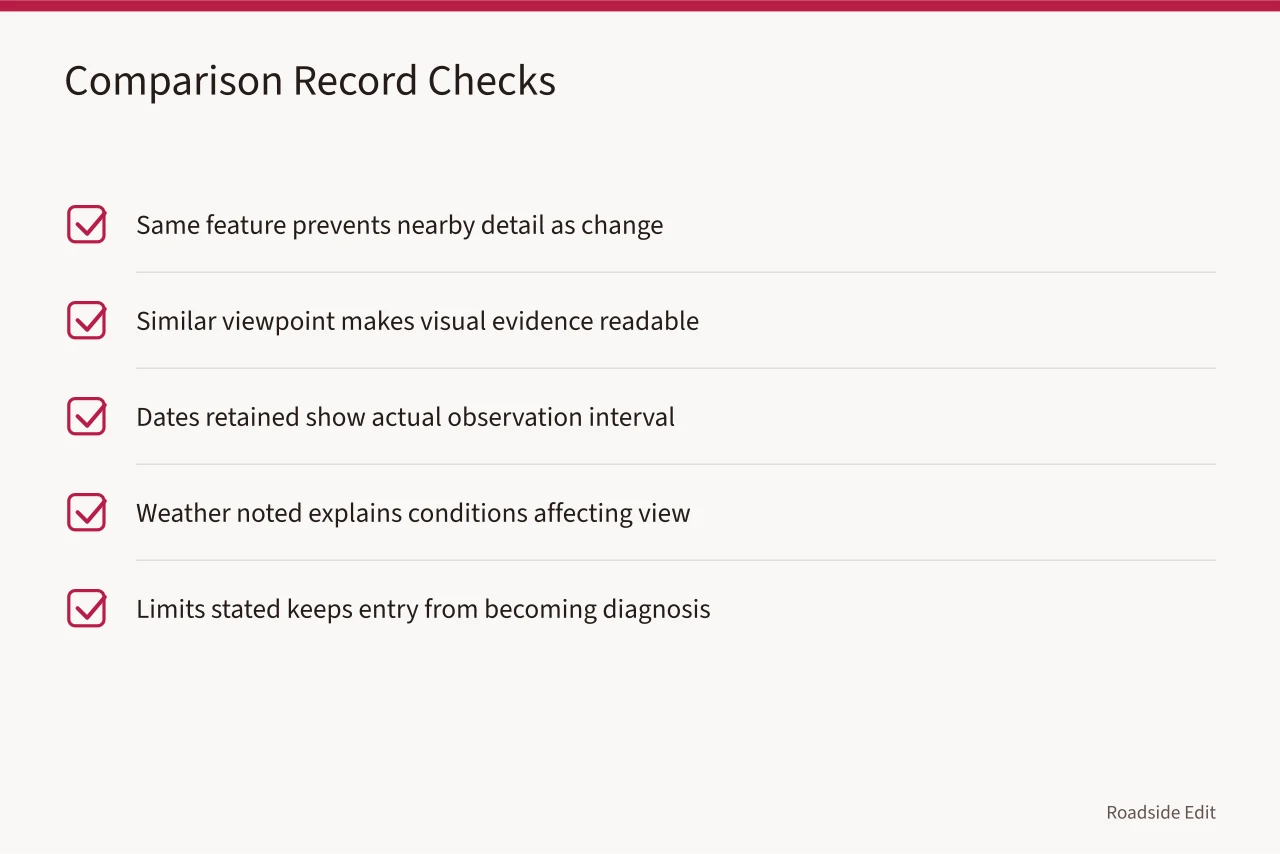
One observation can raise a question. A sequence of comparable observations can show change. Use the same feature, similar viewpoint, retained dates, and noted weather. A wet-season photo is not a fair match for a dry-season photo unless the contrast is the subject.
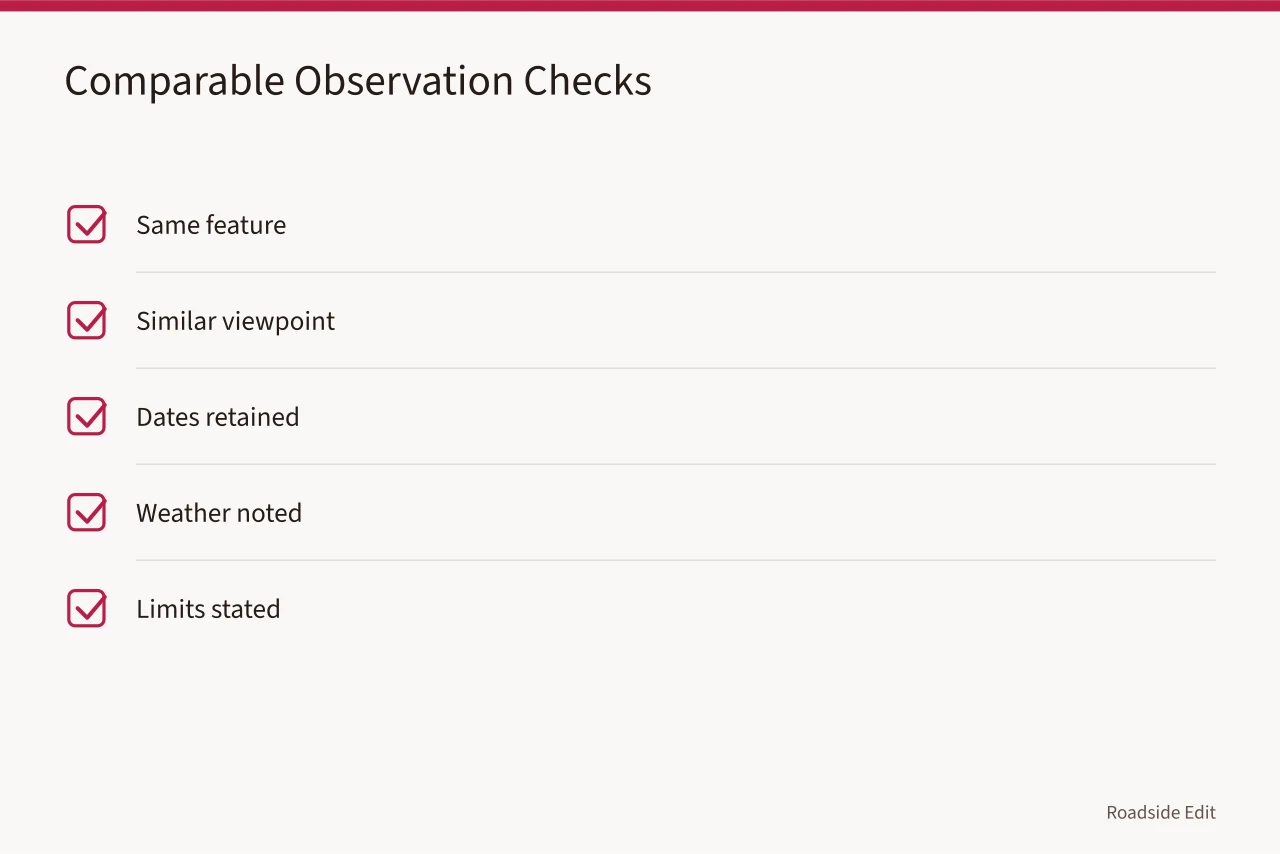
| Comparison check | Why it matters |
|---|---|
| Same feature | Prevents a nearby detail from being treated as a change. |
| Similar viewpoint | Makes the visual evidence more readable. |
| Dates retained | Shows the actual observation interval. |
| Weather noted | Explains conditions that may affect the view. |
| Limits stated | Keeps the entry from becoming a diagnosis. |
If a comparison creates a new concern, open a new question. 'Water was visible in this view on two dated visits' can support a review request. It does not prove the source, urgency, or repair method.
Write regionally without stereotyping places
Avoid claims such as 'all desert motels have this problem.' Regional categories describe broad patterns. They do not describe a site's materials, maintenance record, ownership, or use. Name the location reference and the visible condition. Then state who owns the decision.
A colorful regional story cannot replace a dated record. The same caution applies to claims about communities and travelers. A regional guide should explain context. It should not flatten a place into a marketing stereotype. Let dated sources do the factual work.
When information is missing, say so. A reader can act on an open question more safely than on vague regional shorthand. That directness also speeds later research because the evidence gap stays visible.
When a regional guide must stop
Stop general guidance for immediate safety, access, utilities, or permits. Stop for code compliance, structural performance, hazardous materials, or property-specific treatment. Record the visible fact. Send the question to a responsible person. The guide can clarify what to gather. It cannot replace local authority or qualified review.
Do not enter a restricted area, climb for a closer photo, disturb an exterior feature, or interfere with weather response. A missing observation should be recorded as missing. That limit is more useful than an unsupported explanation.
NOAA's U.S. Climate Atlas provides maps using temperature and precipitation observations. Explore the NOAA U.S. Climate Atlas. It is a regional data resource, not a property assessment. It can support a source-bounded climate statement while leaving a motel's material condition open.
FEMA's National Flood Hazard Layer provides federal flood hazard information for mapped areas. Check FEMA's National Flood Hazard Layer information. It does not decide whether a particular motel is safe, damaged, insurable, or subject to a project requirement. It gives a defined research source for mapped flood planning.
The ADA Standards for Accessible Design are technical standards for covered facilities. Consult the ADA Standards for Accessible Design. They do not determine compliance at a particular motel. They show why a climate or location label cannot settle a route or entry question.
A simple handoff record
When an editor, manager, or owner changes, pass along a short file. Include the local climate source, dated exterior observations, and image credits. Add open questions, contact roles, and the latest review date. Preserve older entries as historical context. If new evidence changes an earlier understanding, add a dated correction instead of replacing the original note.
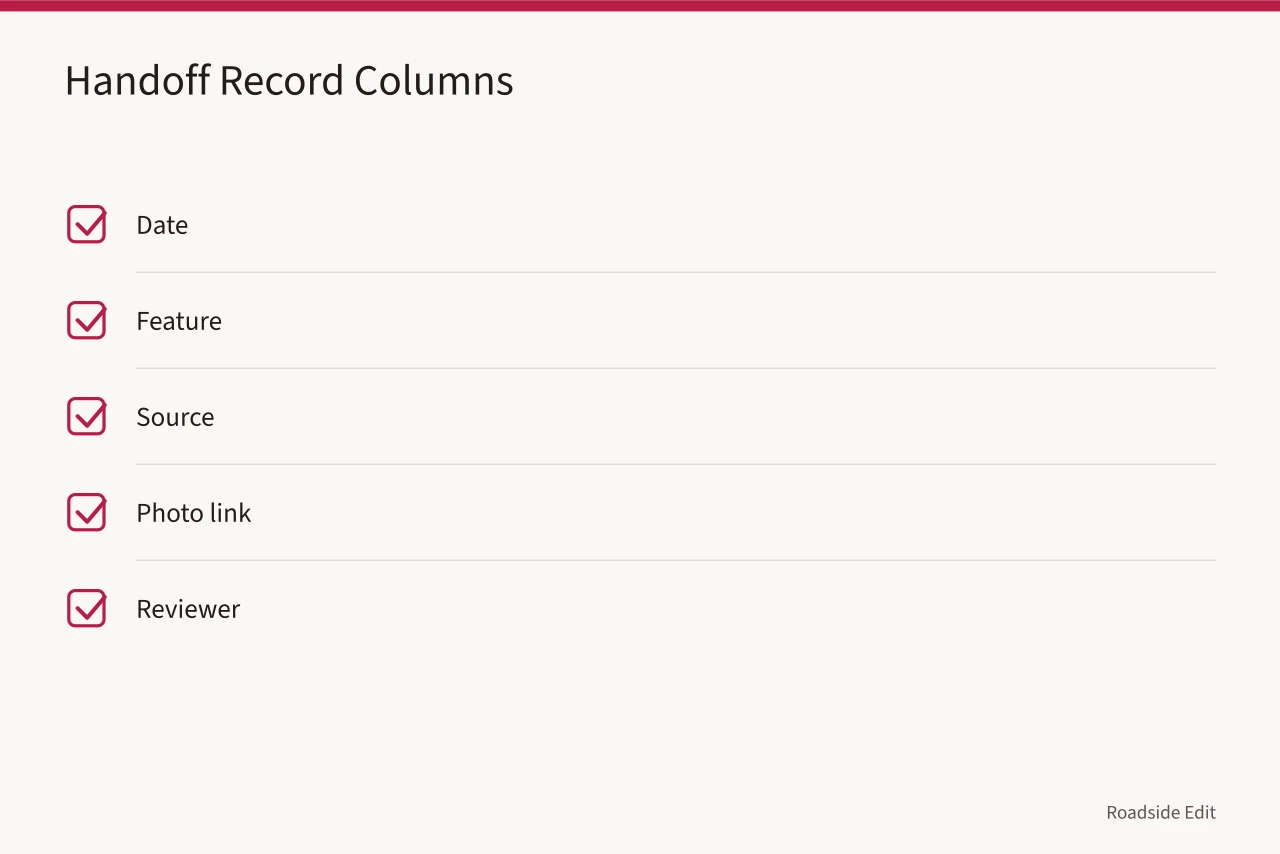
Use a simple spreadsheet with columns for date, feature, source, photo link, and reviewer. That format is easier to hand off than a folder of loose images.
This small discipline keeps regional assumptions from hardening into facts. It also gives a responsible reviewer the context needed to decide what should happen next.
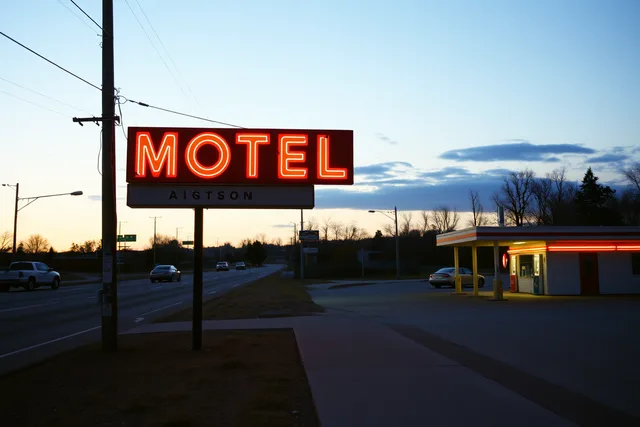
The image is illustrative. It does not establish a motel's current condition, safety, ownership, or project status.
Common questions
Does a climate zone tell me what repair a motel needs?
No. It is general planning context and cannot establish a property condition, scope, or repair method.
How should an article use weather information?
Use a specific source, date, and location. Then state only the narrow fact that source supports.
Can a regional provider listing serve as local evidence?
No. Label it as commercial information and keep it separate from independent evidence.
What if my county has no local station?
Use the nearest NOAA Atlas 14 grid point. State the distance and limit. Then ask a local engineer to review.
In this guide
- Motel exterior regional checklist: how to document climate sources before 2027A repeatable route, dated wording, and named climate sources let you document a motel exterior without turning regional data into a claim about the building.
- Motel exterior regional comparison questions to ask before you write about 2027Motel exterior regional questions for 2027 help U.S. readers use climate data, local records, documented observations, and responsible review questions.
- How to document motel exterior regional warning signs before 2027Motel exterior regional warning signs for 2027 help U.S. readers document visible changes, local weather context, and responsible review questions.
- How to keep motel exterior regional records clean for 2027Motel exterior regional records guide for 2027 helps U.S. owners retain source scope, dated observations, version changes, evidence limits, and clear handoffs.