Guides
Part of Roadside architecture case study method: how to build a claim map before you draft
How to build a roadside architecture case study checklist that editors trust
Roadside architecture case study checklist for 2027 helps writers assemble a defined property record, evidence package, source limits, and publication notes.
Use this checklist before publishing a roadside case study. It keeps the property record, research question, documentary evidence, and visual material separate, so a finished article does not claim more than its sources support.
What to take away
- Build the case study around one property and one question.
- Identify what kind of evidence each item is.
- Keep formal records separate from working notes.
- Add a written limit for every important claim.
Assemble the documentation package
The Library of Congress explains that HABS, HAER, and HALS formal documentation can include measured drawings, photographs, and written histories. It also distinguishes informal documentation, such as non-standard field records. Review the Library of Congress note on HABS, HAER, and HALS documentation. This describes a documentation framework, not a requirement that a local article create a federal record.
NPS documentation standards require reliable sources and clear limits that permit independent verification. See the NPS documentation quality standard. Use that rule in a small case study by writing down exactly what each source contributes and what it cannot answer.
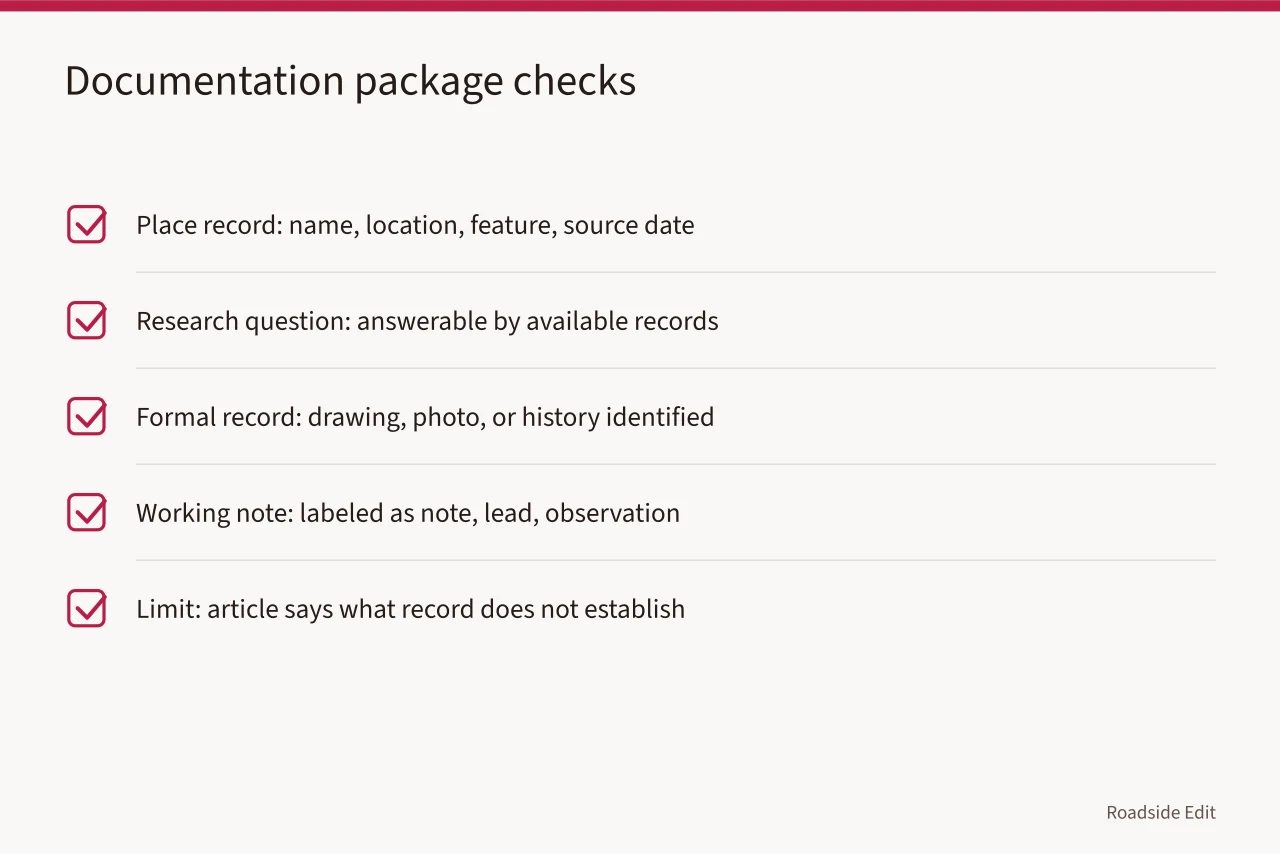
| Package item | Check before publishing |
|---|---|
| Place record | Name, location, feature, and source date are present |
| Research question | It asks for a fact the available records may answer |
| Formal record | Drawing, photograph, or written history is identified accurately |
| Working note | It is labeled as a note, lead, or observation rather than evidence |
| Limit | The article says what the record does not establish |
Run the final checklist
- Does the article name the correct property and community?
- Does each date belong to the source it describes?
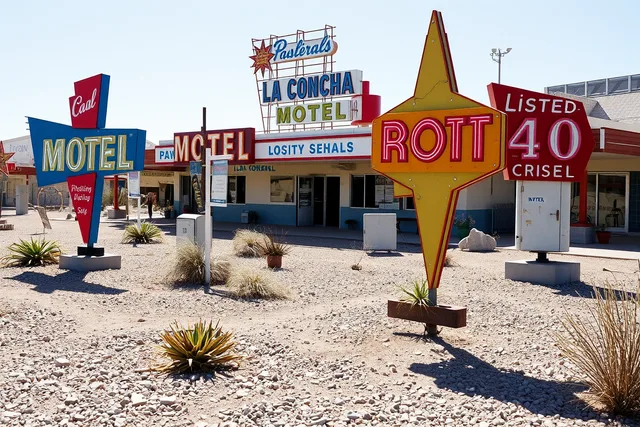
- Does a photo caption say only what the image or credit page supports?
- Are historical records kept separate from current observations?
- Does the article avoid treatment, condition, ownership, and operating-status claims without suitable records?
- Can another editor find the exact sources and see the research limit?
| Common mix-up | Better practice |
|---|---|
| Archive caption and current condition | State the archive caption date and label current appearance separately |
| Field note and verified fact | Keep the field note as an observation until a record supports more |
| Photo credit and historic claim | Use the photo page for credit, not as proof of a different fact |
Choose a question that records can answer
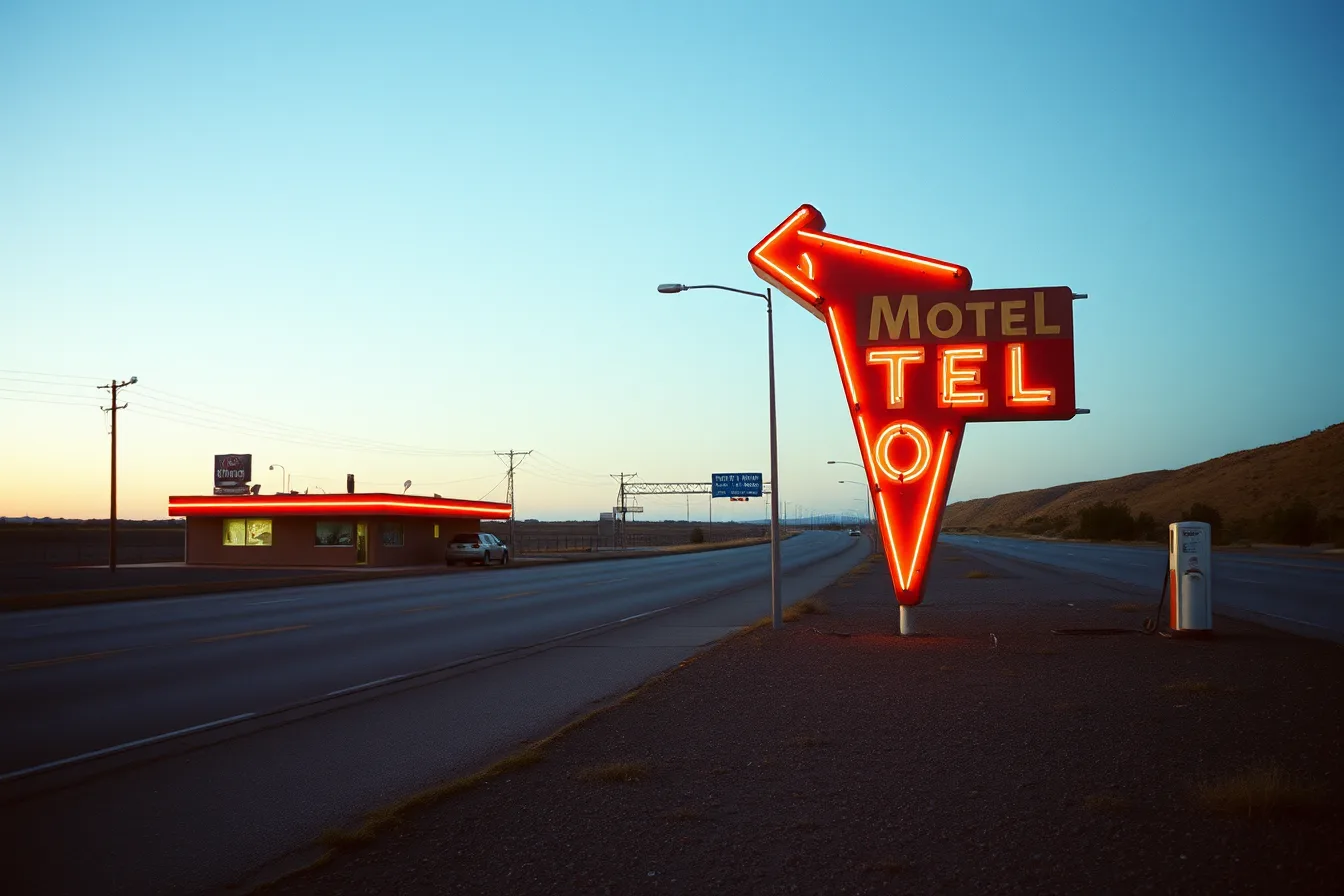
The best question is narrow enough to test. "What does a dated photograph show about the sign at this address?" is workable. "What happened to this entire roadside town?" is a research program, not an article question.
The Library of Congress primary-source guide says to examine a source before drawing conclusions. Use the Library of Congress primary-source analysis guide. Start with the source's own date, author, purpose, and limits.
If a case study covers a current project, keep the planning record separate from the history record. NPS Historic Property Project Documentation guidance connects property information to planned scope and design decisions. Read the NPS project-documentation overview.
A current work document may explain a project; an archive image may explain an earlier appearance. Neither should do both jobs for editors.
Close the file with a claim map
Before publication, map the article's strongest claims to the exact source page that supports each one. Add a one-sentence limit after every claim that depends on a partial image, an undated record, or a secondary source. This takes little space in the research file and makes correction possible when a new record appears.
Make the package usable by another editor
Save the source list, image credit page, and claim map in the same article folder. A second editor should not need to rebuild the research from a headline, file name, or memory.
When a source is a PDF, note the relevant page or section. When a page has no publication date, record the date it was checked. These details turn a one-time draft into a reviewable case study and reduce the chance that a later update copies an error forward.
Common questions
Does a case study need measured drawings?
No. The checklist is for editorial work. It borrows the useful habit of identifying what kind of record is in the file.
Can a current photo replace a historical source?
No. It can add a dated observation. It does not replace what an earlier record says about another time.
What should be the last item checked?
Check the limit beside the article's strongest claim. It should make clear what the source does not prove.