Guides
A guide to building a vintage diner interior maintenance plan that stays honest, with concrete steps and components
Build a vintage diner interior maintenance plan with named products, real providers, cleaning schedules, condition logs, and honest limits for 2027.
A vintage diner interiors maintenance plan should name the actual surfaces, tools, products, and review steps. It should also state what it cannot know without an on-site expert. This guide lists concrete components and steps. It does not claim any product was tested for your diner.
What to take away
- Survey each interior zone and record materials, condition, and dates.
- Keep routine observation separate from repair or replacement decisions.
- Match cleaners and tools to the material, not to a generic diner look.
- Keep a simple log with photos, product names, dates, and results.
- Use qualified preservation providers for stabilization, repair, or code work.
Start with a room-by-room condition baseline
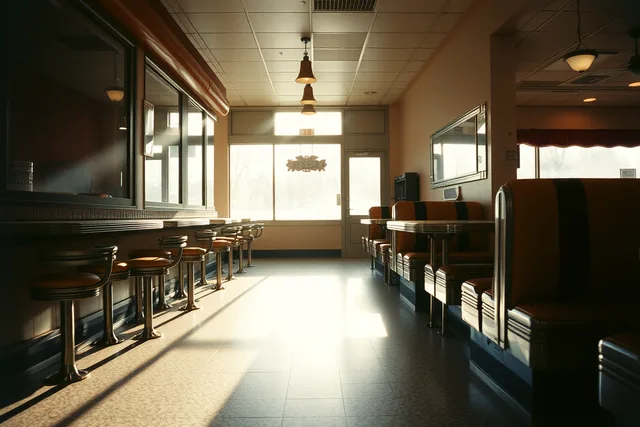
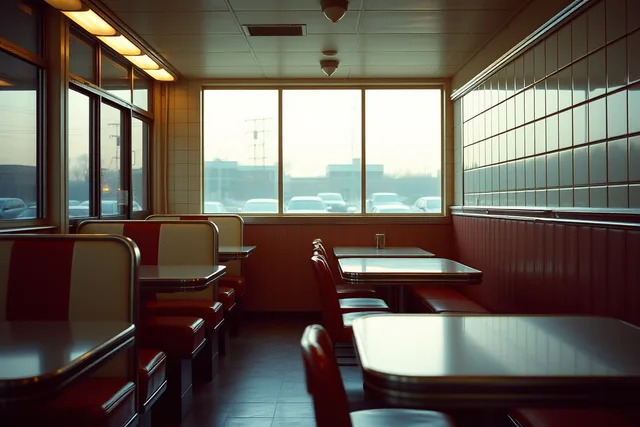
Step 1: Walk the interior and map zones. Start with the counter, booths, and stools. Then map the floor, walls, ceiling, restroom, and entry. For each zone, note material and condition.
Use a moisture meter such as the Tramex Moisture Encounter for wood or drywall. Use a FLIR infrared thermometer to spot temperature differences that may suggest air leaks or moisture. Take dated photos with a phone or camera. Record the date, location, and source. This baseline helps you compare later.
Use a notebook or spreadsheet. Label each zone with a short code. Note the material, finish, color, and any visible damage. Rate condition as good, fair, or poor. Add the date and your initials. This record becomes your baseline.
Step 2: Photograph each zone from the same angle. Name the files with the date and zone code. Store them in a folder with the condition log. Repeat the photos after any major cleaning or repair. This makes change easy to see.
Step 3: Interview staff and owners. Ask what breaks, what stains, and what gets cleaned often. Record their answers as attributed notes. Do not treat memory as a measured condition. Use it to set review priorities.
The NPS preservation terminology defines preservation as ongoing maintenance and repair of historic materials. That supports a plan built on steady care, not only emergency replacement. It does not tell you what your counter or floor needs. For that, a conservator or preservation architect should assess the specific material.
Build a material-by-material care list
A diner interior often mixes laminate, chrome, and stainless steel. It also uses vinyl, wood, terrazzo, ceramic tile, and painted plaster. Each material needs its own tools and limits. The following products and providers are real examples. Check manufacturer instructions and test in a hidden spot before full use.
Laminate and plastic surfaces
Formica and other high-pressure laminates can scratch. Novus Plastic Polish No. 2 is a fine scratch remover for acrylic and plastic. It comes in a three-step system for cleaning, polishing, and protecting. For daily care, use a soft cloth and mild soap. Avoid abrasive pads that dull the finish.
Chrome and stainless steel
Chrome trim and stainless steel counters show fingerprints and water spots, while Simichrome Polish, a metal polish made in Germany, works on chrome, aluminum, and brass.
Boeshield T-9, developed by Boeing to protect aircraft parts from corrosion, can leave a waxy film on metal. 3M Stainless Steel Cleaner & Polish is made for stainless steel surfaces and leaves a light protective coating. Wipe with the grain.
Wood and painted wood
Wood booths and trim need gentle cleaning. Bona Hardwood Floor Cleaner is pH-neutral for sealed wood floors. Renaissance Wax is a microcrystalline wax developed for the British Museum in the 1950s; museums use it on metal, wood, and leather; apply a thin coat and buff.
NPS Preservation Brief 28 covers painting historic interiors for painted plaster or wood and is free from the National Park Service.
Vinyl and leatherette
Diner stools and booth seats often use vinyl. Lexol Vinylex Protectant is a vinyl, rubber, and plastic protectant with UV inhibitors. It helps slow fading and cracking. Clean with a mild soap first. Avoid solvent cleaners that can break down the surface.
Tile, terrazzo, and grout
Ceramic tile and terrazzo floors need neutral cleaners. Miracle Sealants 511 Impregnator is a penetrating sealer for grout, tile, and stone. It does not sit on the surface like a coating. For vinyl composition tile, Zep Commercial Floor Finish is a high-solids finish that can be buffed. Follow the label for dwell time and ventilation.
Ceilings and light fixtures
Ceilings and light fixtures collect dust and grease. Use a vacuum with a soft brush attachment. For painted ceilings, check for water stains after storms. Replace burned-out bulbs with the correct wattage. Do not paint over cracked plaster without addressing the cause.
Restrooms
Restrooms need daily attention. Check for leaks under sinks and around toilets. Clean grout with a neutral cleaner and a soft brush. Use a penetrating sealer after cleaning if the grout is sound. Fix loose fixtures promptly to prevent water damage.
Entry and windows
Entry areas track in grit and moisture. Use a washable mat with a rubber back. Clean glass with a non-ammonia cleaner if the frame is aluminum. Check weather stripping and door sweeps each season. Repair tears before they grow.
Floor care tools
A wet/dry vacuum helps remove grit from tile and terrazzo. A microfiber mop with a bucket and wringer reduces water use. A floor finish applicator spreads VCT finish evenly. A grout brush reaches narrow lines. These tools are basic and widely available.
Set a realistic cleaning and review schedule
A maintenance plan needs frequencies, but they depend on traffic, weather, and material. Use these as starting points. Adjust after a month of observation.
Daily: sweep or dust mop floors. Wipe counter and table edges. Spot clean fingerprints on chrome and laminate. Empty trash. Check restroom for leaks or clogs.
Weekly: damp mop tile or terrazzo with a neutral cleaner. Vacuum booth seams and stool bases. Dust light fixtures and ceiling vents. Inspect caulk around sinks and toilets.
Monthly: clean and protect chrome, stainless steel, and vinyl. Check grout for cracks. Look under sinks for moisture. Review the condition log and note changes.
Quarterly: deep clean floors and reseal grout if needed. Check wood finishes for wear. Inspect booth frames and stool bases for loose bolts. Review your insurance and code needs with a qualified professional.
Annual: bring in a preservation specialist or conservator for a condition review. Update the plan with new photos and notes. Review product safety data sheets. Train staff on the plan.
Train staff on product labels and safety data sheets. Keep a binder with instructions and emergency contacts. Post a simple checklist near the cleaning closet. Review the checklist each quarter. This reduces mistakes and keeps the plan alive.
Choose honest products and providers
Names do not prove quality, but real products and organizations give you a starting point.
NPS Technical Preservation Services publishes free Preservation Briefs, and Preservation Brief 28 covers historic interior painting. The National Trust for Historic Preservation offers preservation resources and grant programs.
The American Diner Museum, a nonprofit, documents diner history, while the Society for Commercial Archeology studies roadside architecture and holds conferences. Association for Preservation Technology International publishes technical notes and a journal.
These groups can help you find qualified help, and for work orders MaintainX is a mobile CMMS with a free plan for up to five users. UpKeep is a CMMS with paid tiers for teams, but you can also use a paper log.
Record the product, date, area, and result; that record supports a project record if you later restore a sign or fixture. The National Archives records-management overview explains why source, date, and review history matter.
MaintainX and UpKeep offer free or low-cost tiers for small teams. A preservation consultant may charge by the hour or project. NPS Preservation Briefs are free online. National Trust grants vary by program. Ask for written estimates before work begins.
Document work without overclaiming
A maintenance plan stays honest when it separates what you see from what you conclude. Use the Library of Congress primary-source analysis guide to treat old photos as dated records, not current proof. A 1965 photo of a counter shows the counter in 1965. It does not show the condition today. Write down the source, date, and limit.
If a vendor or owner supplies an update, attribute it. The FTC endorsement guidance says readers should recognize material connections. Label paid placements and sponsors clearly. Do not let a sales claim become a maintenance fact.
Plan for repairs and qualified help
Some work is not cleaning. Loose tiles, broken booth frames, damaged wiring, gas lines, and plumbing need licensed trades. A preservation consultant can specify methods for historic fabric. A structural engineer can assess sagging ceilings or floors.
An industrial hygienist can test for asbestos or lead before disturbance. Ask for written scope, insurance, and references. Do not sand or strip old finishes until you know what they contain.
Keep a correction and update log
Every plan should have a correction path. Record the old note, the new source, the changed wording, and the date. Update the plan when a product is discontinued or a surface changes. If a reader or inspector finds an error, correct it and log the change. This keeps the plan useful and honest.
- Save the original note and date.
- Identify the source or event that triggered review.
- Check whether the source supports the new note.
- Correct the plan if the evidence warrants it.
- Keep product names and safety notes current.
- Record the review date and unresolved limits.
Publish boundaries readers can understand
A good plan says what it knows and what it does not. It can list products, schedules, and providers. It should avoid diagnoses, code rulings, and property-specific repair instructions unless a qualified author and evidence support them. It should name the limits of photos, owner updates, and vendor claims.
Common questions
Can a plan tell an owner exactly how to clean every surface?
No. It can give starting points and product examples. The actual method depends on the material, finish, condition, and manufacturer instructions. Test in a hidden spot and consult a specialist for historic or damaged surfaces.
How often should a diner interior be cleaned?
Daily, weekly, monthly, quarterly, and annual tasks are common. Traffic, weather, and material change the frequency. Adjust the schedule after you observe how the surfaces hold up.
Do old photos prove current condition?
No. They document the scene at the stated date. Use current inspection notes for current condition.
What belongs in a correction log?
The prior note, the new source or event, the revised wording, the decision date, and any remaining limit on what the evidence establishes.
What if a product is discontinued?
Replace it with a product made for the same material. Check the safety data sheet and test in a hidden spot. Update the plan with the new name and date.
In this guide
- Vintage diner interior care checklist: how to document sources and photo limitsUse this 2027 vintage diner interior care checklist to document sources, observations, photo limits, disclosures, corrections, and review dates clearly.
- How to keep vintage diner interior care budget notes honest and sourcedA diner budget note records the work phase, the source and the date, so a reported figure never reads as a price for someone else's building.