Costs
Part of Gas station preservation planning: build the evidence stack before you publish
Gas station preservation planning workflow: how to budget 2027 reporting tasks
Set 2027 gas station preservation reporting line items: source checks, image rights, records, disclosure, corrections. Budget ranges and tools included.
Gas station preservation planning workflow needs a research budget before it needs a publication date. This is not a construction budget or a cleanup estimate. It is a record of the time and resources needed to check public material, confirm image rights, document a proposal accurately, and correct the page when better information appears.
What to take away
- Price the research labor, not the building work. Nothing in this budget touches a canopy, a lift or a tank.
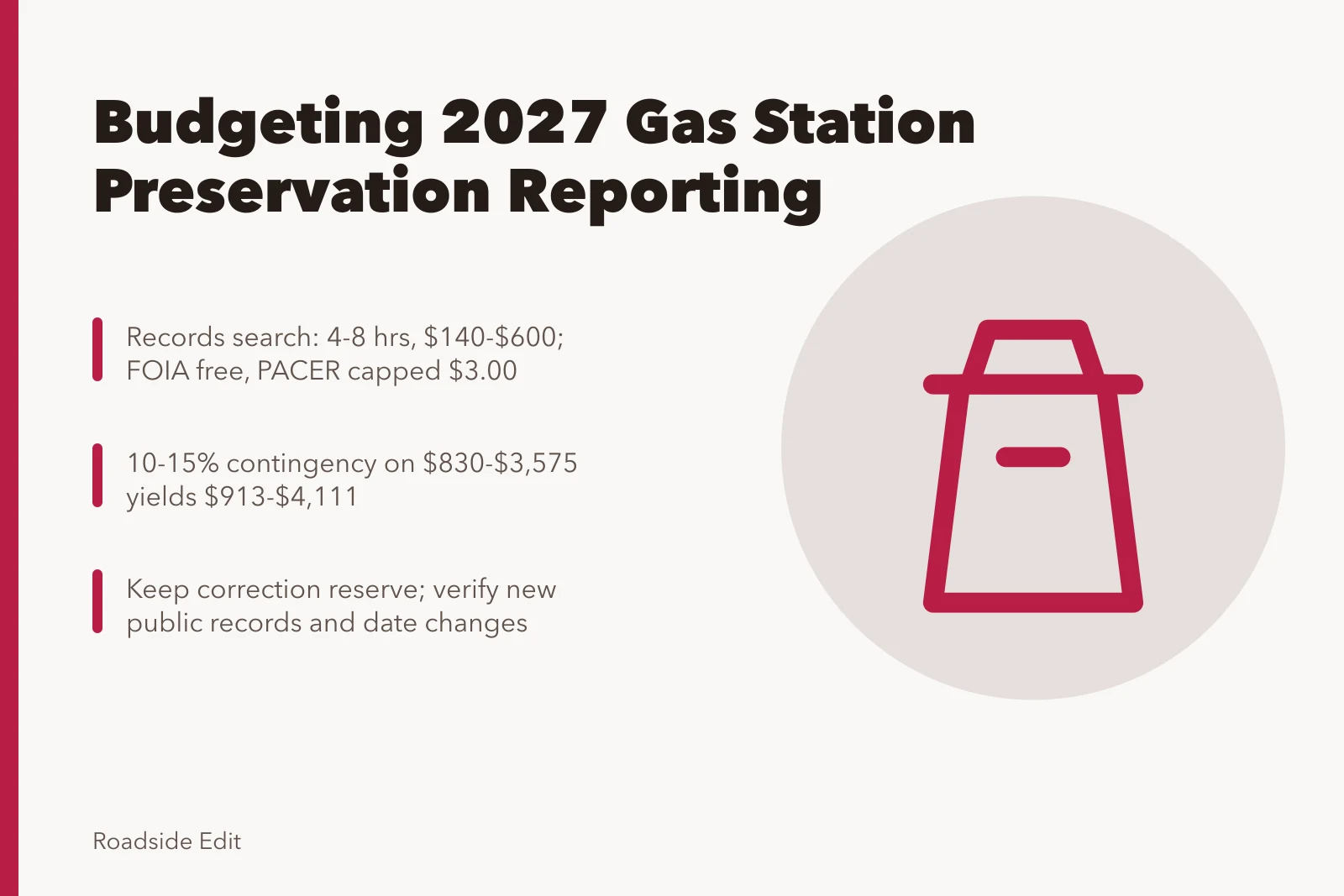
- FOIA.gov is free, PACER runs $0.10 per page with a $3.00 cap, and Wayback Machine costs nothing. Most of the line is your hours.
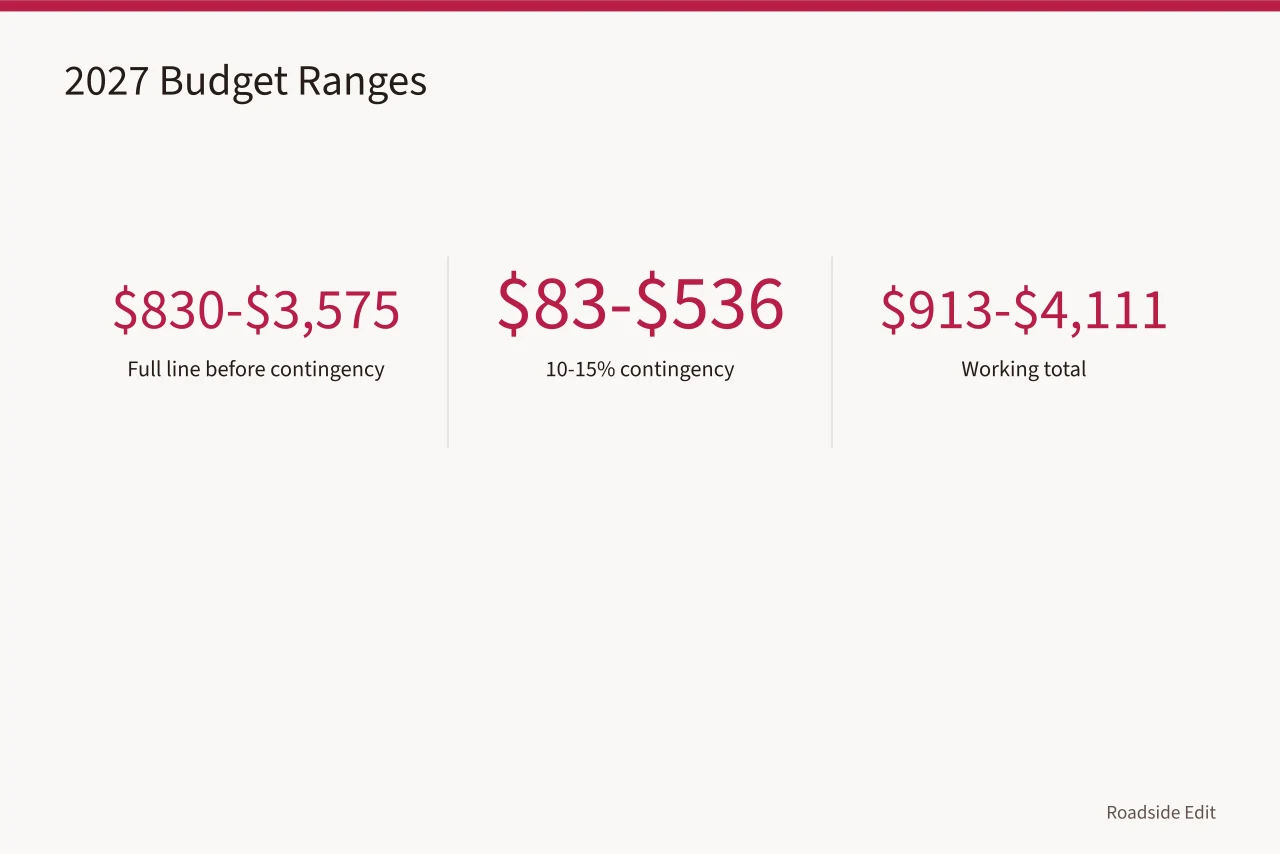
- A 10 to 15 percent contingency on $830 to $3,575 lands the working total between $913 and $4,111.
- Keep a correction reserve. Historic designations and project status change, and the page has to change with them.
- A paid placement buys a label, never a conclusion about a station's condition or eligibility.
Set the 2027 line items
A one-article budget for a gas station preservation story can use these planning ranges. Adjust the hourly rate to your market. The figures cover research labor, not construction.
Show the numbers
| Records search | $140–$600 |
|---|---|
| Public-document review | $105–$450 |
| Record-date check | $35–$150 |
| Image rights review | $70–$375 |
| Interview prep and transcript | $140–$600 |
| Factual edit | $150–$600 |
| Sponsor disclosure | $50–$200 |
| Correction handling | $140–$600 |
EPA's eligible planning activities guidance describes planning activities that can include assessing needs, future-use planning, and cleanup options tied to future uses. For reporting, it supports a limited point: planning has stages and stated purposes. It is not an estimate or eligibility finding.
Make room for a better question
An early source may reveal that the story needs a narrower question. A building that looked like an uncomplicated reuse story may have an uncertain historic record, an unresolved environmental question, or a preliminary proposal. Reserve time to adjust the draft. That is better than filling the gap with a confident sentence.
For paid directory or profile work, list disclosure review separately. A business can pay for a clearly labeled placement, but the fee should not buy a statement that a project is approved, historic, safe, or likely to succeed. A visible boundary protects the publication and the business.
Maintain a correction reserve
Keep the claim source, screenshot or record date, image credit, interview notes, and supplied copy together. When a new public record changes the article, verify it, revise the exact claim, and add a dated correction note if the change is material. This is part of the editorial budget.
The Government Accountability Office's cost-estimating guide describes how estimates should have a defined purpose, documented assumptions, and a transparent basis. For editorial planning, that supports a budget built around actual research tasks. It does not set a cost for environmental work.
The National Archives records-management overview supports retaining source and decision history when an information file may need later review. A planning budget record can document why extra source checks, image review, or correction work was approved.
The Federal Trade Commission's endorsement guidance supports clear disclosure where paid participation could affect readers' understanding of a listing. Budgeting for that review helps keep a commercial placement visibly distinct from editorial conclusions.
Budget each reporting task separately
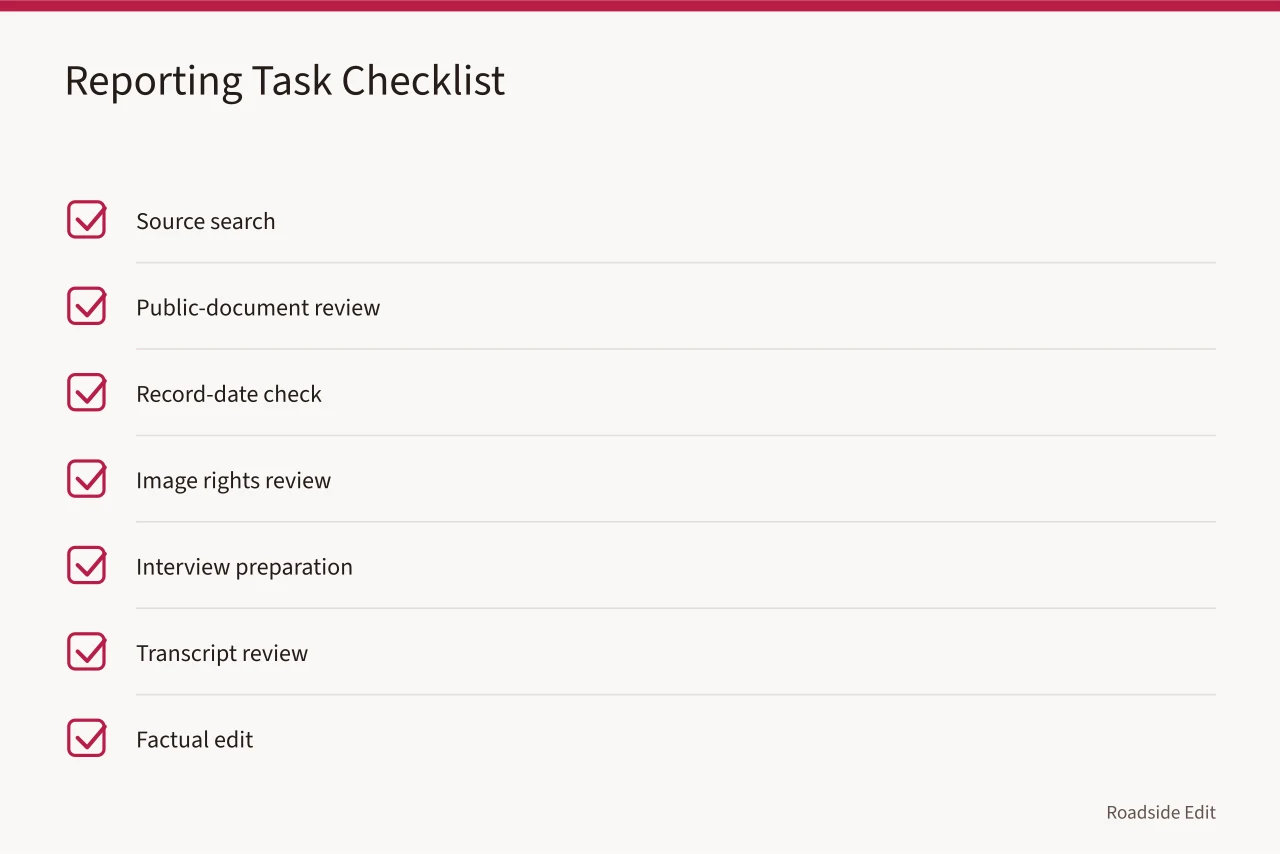
Each task can uncover a limitation that changes the draft, and visible packages make the budget more honest and the final story more reliable.
When new evidence arrives, record the additional work before it starts. State the source, why it matters, the new task, timing effect, and approval. An old planning announcement may need a later record. A better image may need a different caption. The change note keeps those decisions clear.
Do not convert the editorial budget into a claim about a station's cleanup, construction, or funding needs. A source may report those facts for a named site, but a reporting budget is for verifying the article.
Common questions
Should a story include a cleanup cost estimate?
Only when a specific, reliable source supports it and the wording keeps the estimate's scope and date clear. An editorial research budget is not a cleanup estimate.
Why budget for a correction?
Historic and project information can change. A correction reserve allows a writer to replace weak wording with verified information.
Can a sponsor pay for a place in a planning guide?
It can buy a clearly labeled placement, not an undisclosed recommendation, ranking, or factual conclusion.