Guides
Neon sign restoration fundamentals: what owners should document first
Neon sign restoration fundamentals for 2027 help U.S. owners document history, define professional scope, protect records, and avoid unsupported restoration claims.
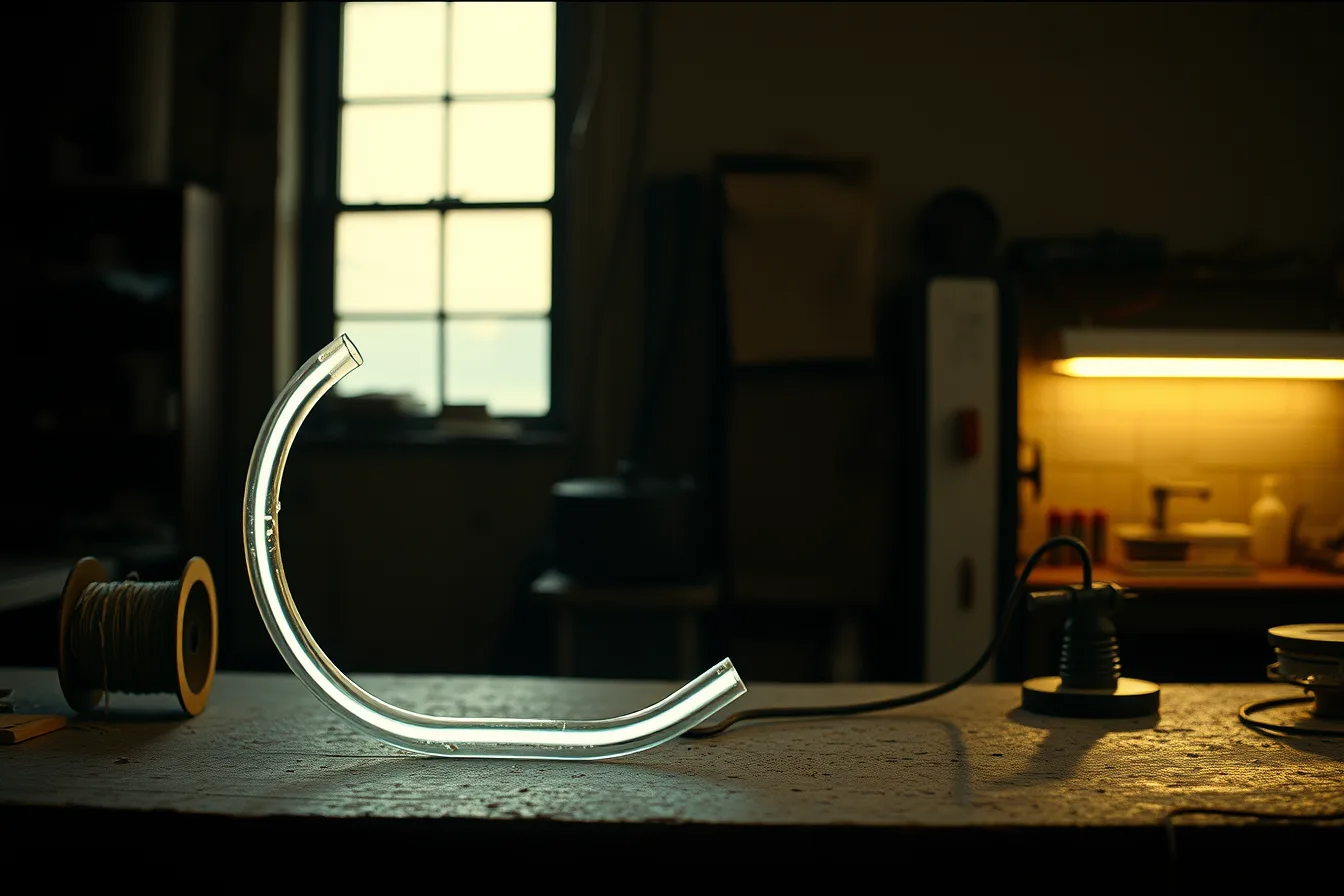
A historic neon sign can hold evidence about a business, a street, a building, and a period of local life. That value does not make every old sign a candidate for the same treatment.
A general article is not a substitute for qualified electrical, structural, preservation, or local review. The most useful start is a documented question: what is known about the sign, what belongs in the record, who controls relevant decisions, and which parts require specialized work.
This guide helps a U.S. owner, editor, or community group organize research and publish clear information about a neon sign. It does not explain how to handle, test, disconnect, repair, remove, install, energize, or alter neon or electrical equipment.
What to take away
- Start with a dated record of the sign and its known history.
- Separate what is visibly observed from conclusions about condition, safety, or original appearance.
- Define the professional scope and responsible decision-maker before any work is described publicly.
- Preserve evidence of colors, lettering, materials, context, and later changes without inventing history.
- Keep funding, sponsor, provider, and restoration-result claims tied to specific records.
Begin with the sign's documented story
Before using original, authentic, restored, or historic, build a basic record. It may include dated photographs, address history, business names, local directories, and newspaper coverage.
Add public records, owner-supplied files, and a note about what cannot be confirmed. The goal is not a complete historical survey in every case, but to keep a visually striking sign from guesswork.
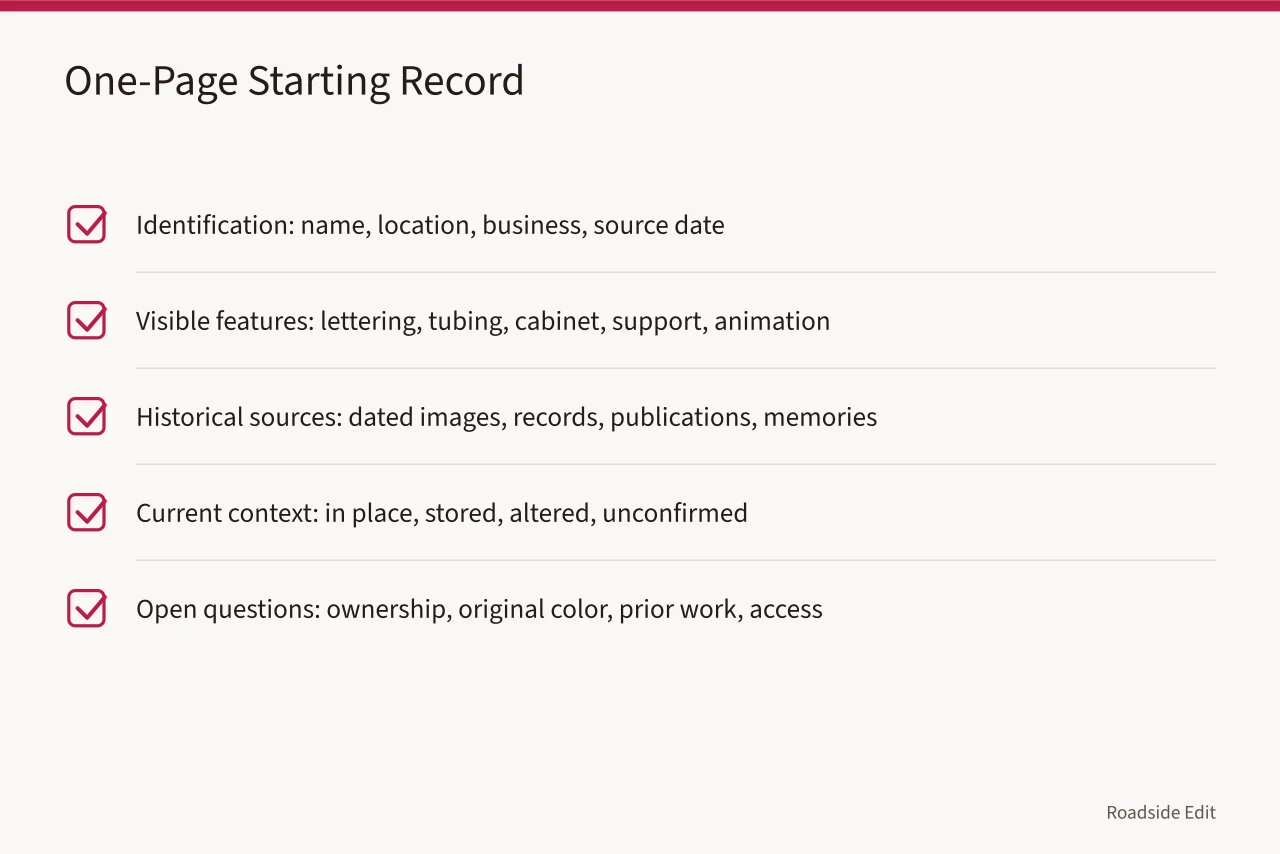
Use a one-page starting record:
| Field | What to record |
|---|---|
| Identification | Name, general location, business association, and source date |
| Visible features | Lettering, tubing, cabinet, support, animation, paint, or other observable elements |
| Historical sources | Dated images, records, publications, or attributed memories |
| Current context | Whether the sign is in place, stored, altered, or status unconfirmed |
| Open questions | Ownership, original color, prior work, access, professional review, or local requirements |
The National Park Service's Preservation Brief 25 describes historic signs and says neon-sign repair is specialized work. It explains why evidence of original color matters for historic neon.
The brief is not a do-it-yourself guide, a scope of work, or a local approval. Its limited value here is methodological: a writer should document the sign's historical evidence before claiming to know what a later intervention should achieve.
Keep observations distinct from technical conclusions
A photo can show tubes that appear broken, peeling paint, a corroded cabinet, or a sign not lit when the photo was taken.
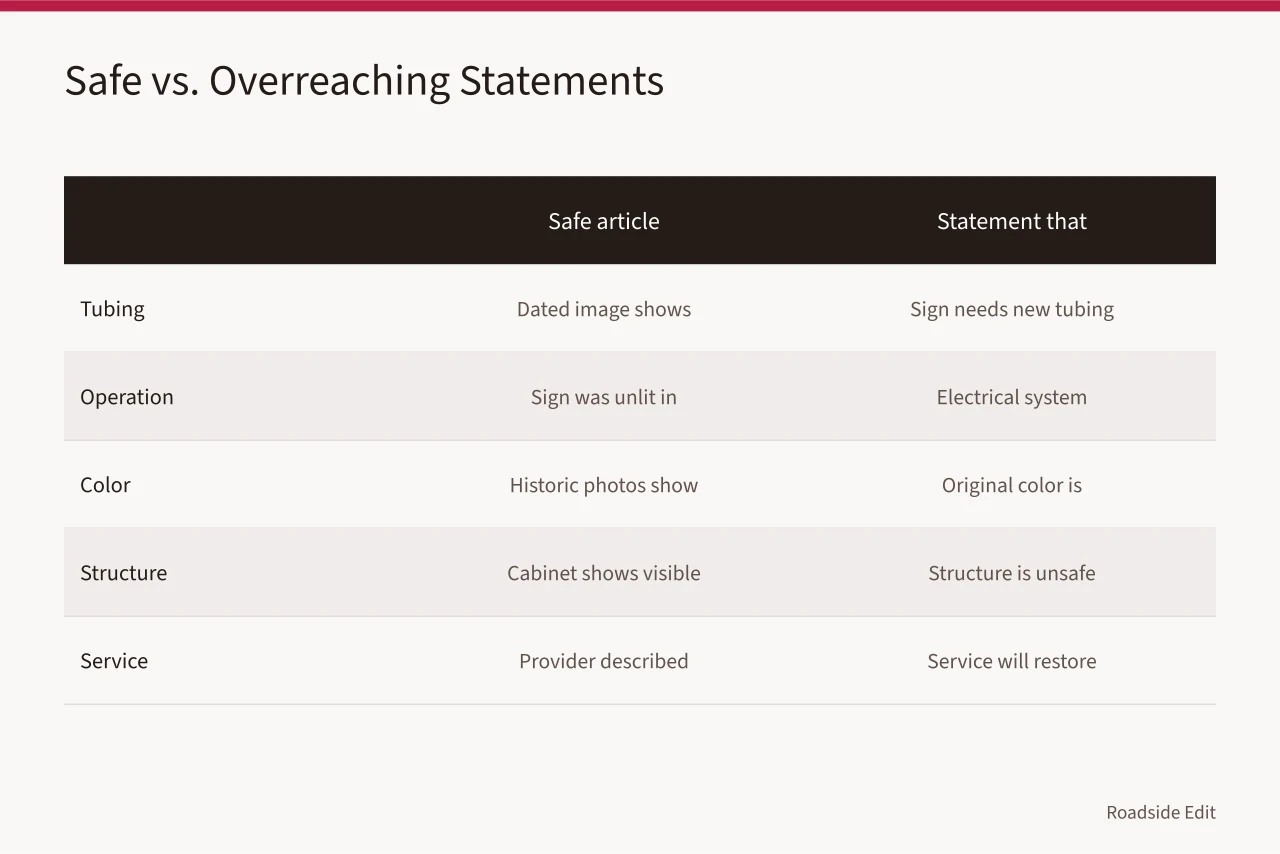
It cannot establish why a sign is not operating, whether a support is safe, whether equipment is energized, or what repair is appropriate. Those different questions need a current, qualified assessment and the applicable local process.
| Safe article statement | Statement that goes too far |
|---|---|
| A dated image shows portions of the tubing missing | The sign needs new tubing |
| The sign was unlit in this photograph | The electrical system failed |
| Historic photos show a different apparent color | The original color is confirmed |
| The cabinet shows visible surface wear | The structure is unsafe |
| A provider described a proposed service | The proposed service will restore the sign |
This distinction is good publishing practice. It protects readers from treating an editorial article as technical direction, and it protects providers from having a defined service rewritten as a guaranteed outcome.
The OSHA electrical eTool for Subpart S covers electrical-installation topics including qualified-person considerations. It is not a plan for an individual sign. It supports the simple boundary used here: an article should not direct readers to handle, test, or make decisions about energized equipment.
Map the roles before describing a project
Neon restoration can involve an owner, tenant, building manager, preservation professional, sign specialist, electrician, structural professional, local authority, historian, photographer, funder, and editor. An article should say what each participant was documented to have done without assuming control over every decision.
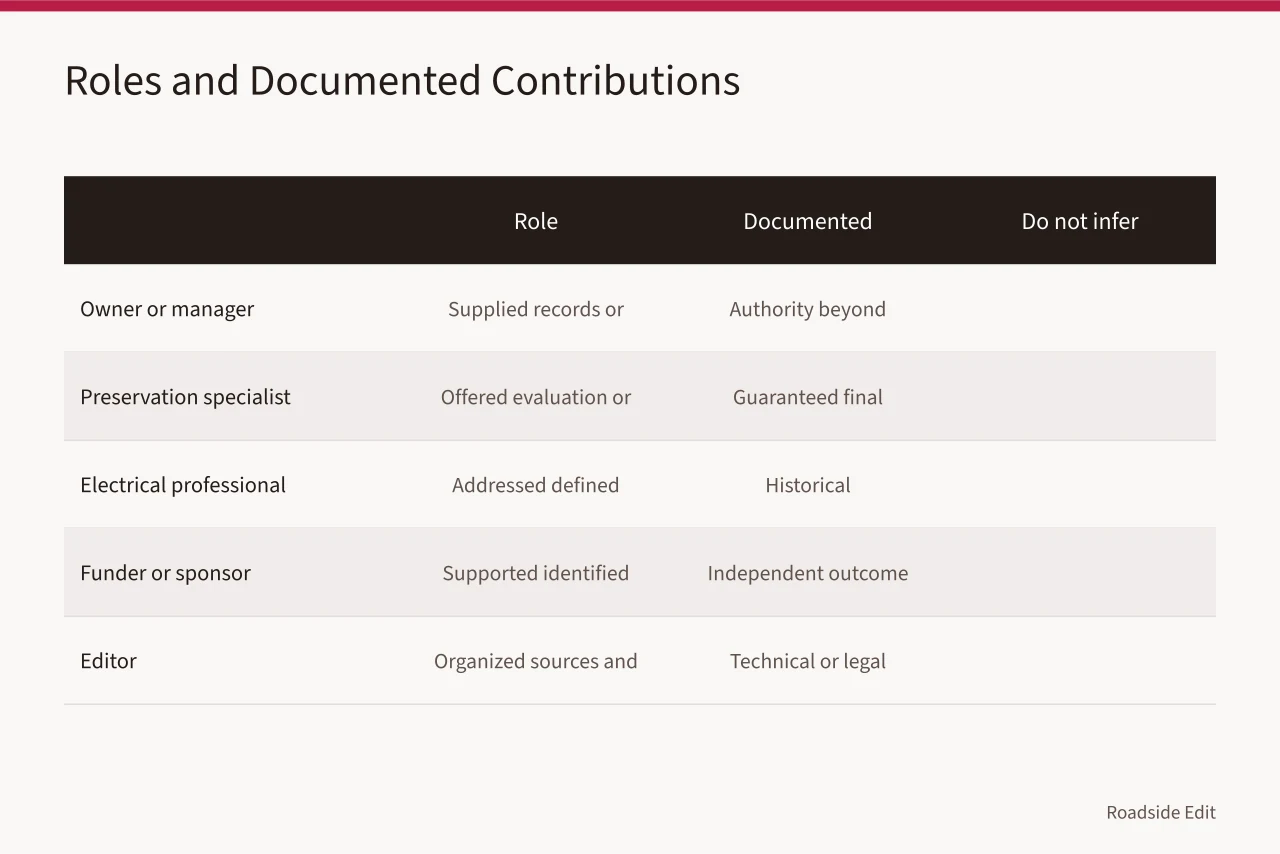
Keep any paid relationship clear. A provider profile, grant announcement, or paid placement can identify its role. It should not become an unmarked endorsement or a substitute for evidence about the current sign.
The Federal Trade Commission's endorsement guides address endorsements and testimonials in advertising. They are not historic-preservation guidance. They are relevant when a sign profile includes paid support, a testimonial, or another commercial relationship that readers may need to evaluate.
Define the scope in plain language
Before a public post, listing, case study, or project announcement uses the word restoration, ask what that word means in the actual record. Is the work about historical research, documentation, a feasibility question, preservation planning, specialist review, a visible cabinet component, a lighting system, an interpretive display, or a new sign inspired by historic context? These are not interchangeable.
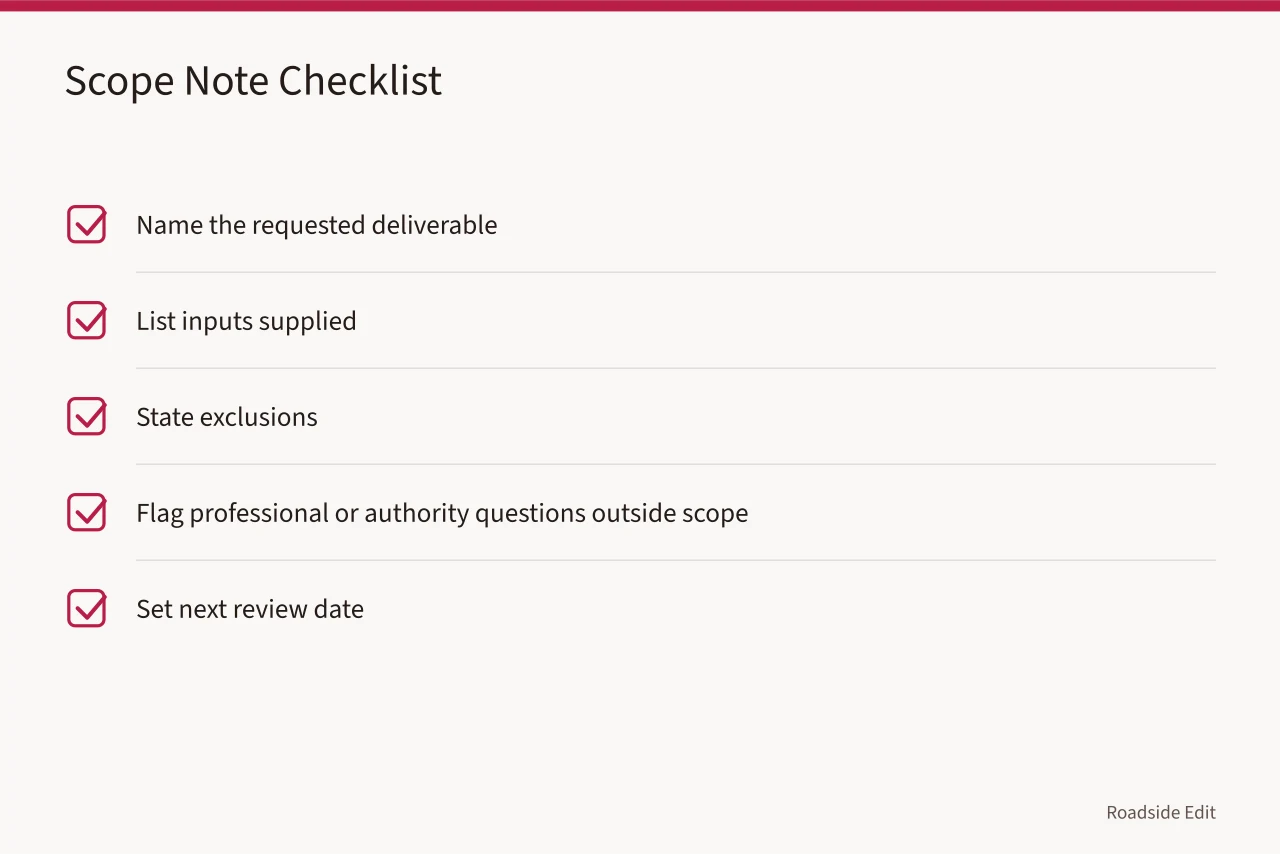
A scope note should name the requested deliverable, the inputs supplied, the exclusions, the professional or authority questions outside the scope, and the next review date. A precise note may be less dramatic than "bringing a sign back to life," but it gives readers and potential clients a trustworthy description of the actual work.
Preserve historic evidence before a story changes
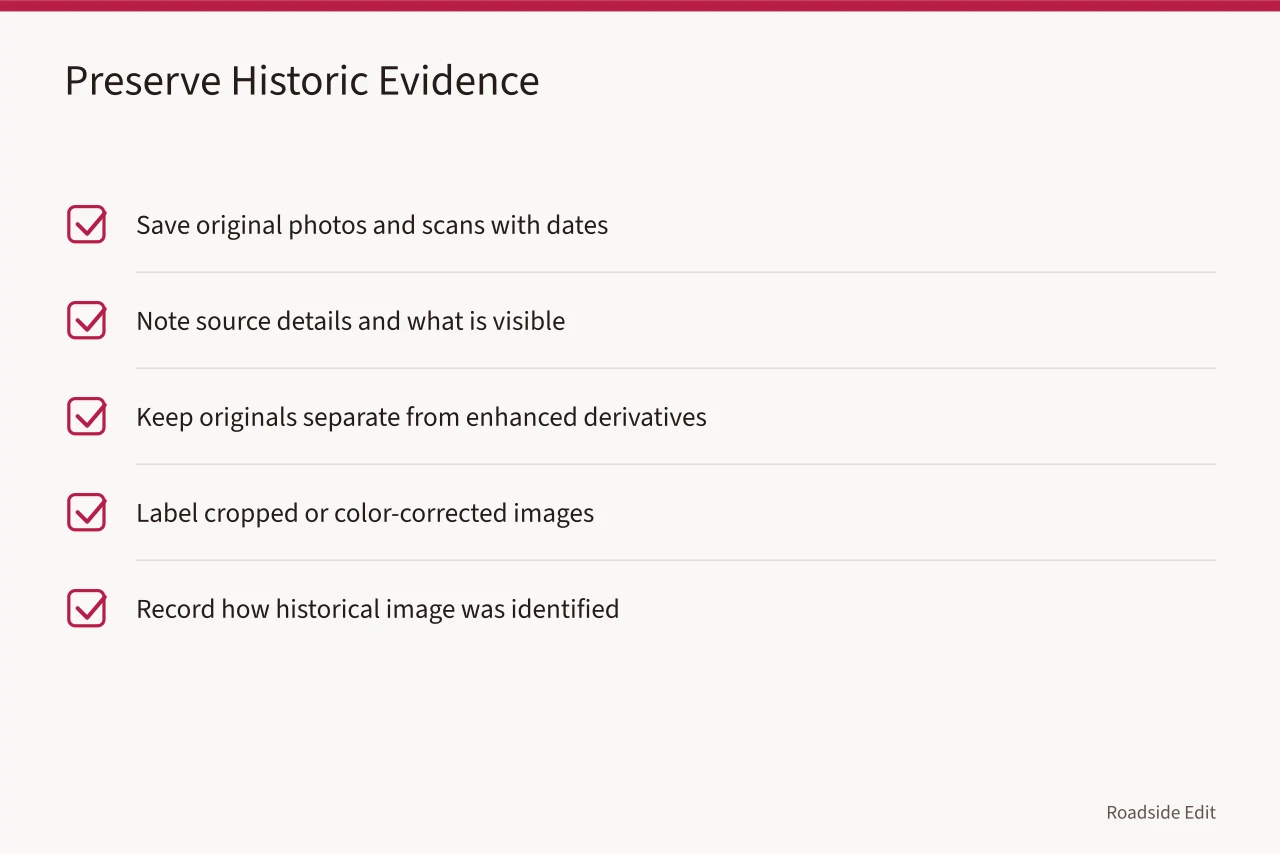
Save original photos and scans with dates, source details, and a note on what is visible. If an image is enhanced, cropped, color-corrected, or used as an illustration, keep the original separately and label the derivative. Record how a historical image was identified and whether the business name, location, and date were verified or reported.
Also preserve the context around the sign. A roadside sign may be connected to a building facade, pole, streetscape, business history, tourism narrative, or neighboring landmarks. Context does not prove a treatment decision, but it helps an article explain why a sign matters to a community and why multiple kinds of review may be relevant.
The National Archives guidance on agency recordkeeping describes federal responsibilities for records that document activities and decisions. It does not establish a private sign-history archive. It supports keeping the dated source and the editorial note that explains a material claim or correction.
Treat funding as a record, not a promise
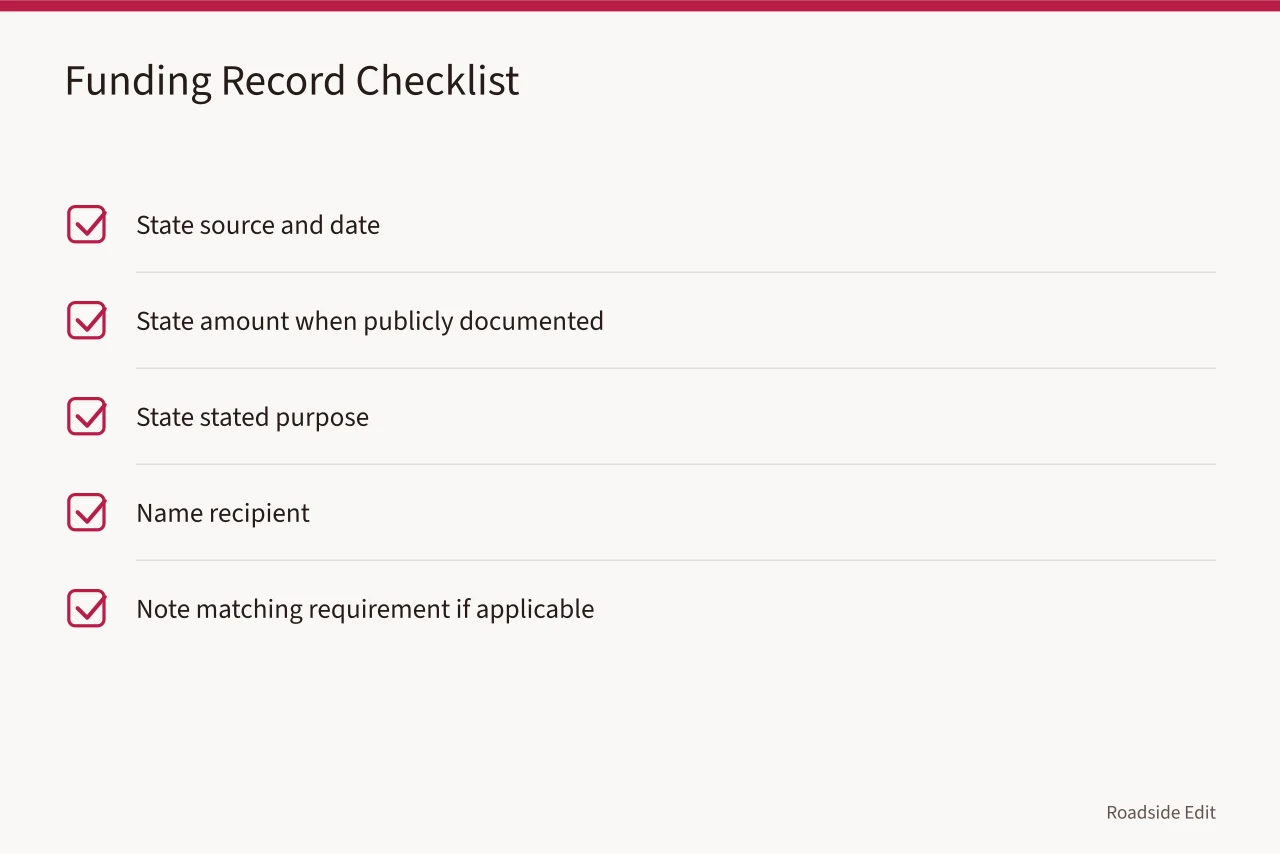
A grant, sponsorship, fundraiser, or business contribution can be part of a sign story. State the source, date, amount when publicly documented, stated purpose, recipient, and matching requirement if applicable. Do not imply that funding guarantees approval, completion, operation, or a long-term result. A proposed project and a completed project need different language and different evidence.
When agencies or businesses want paid placement in a related article, disclose the placement separately. The evidence standard should remain the same whether or not an organization has commercial involvement.
Know when an article should pause
Stop and seek the appropriate information when a draft makes a safety, electrical, structural, permit, or accessibility claim. Do the same for ownership or code claims.
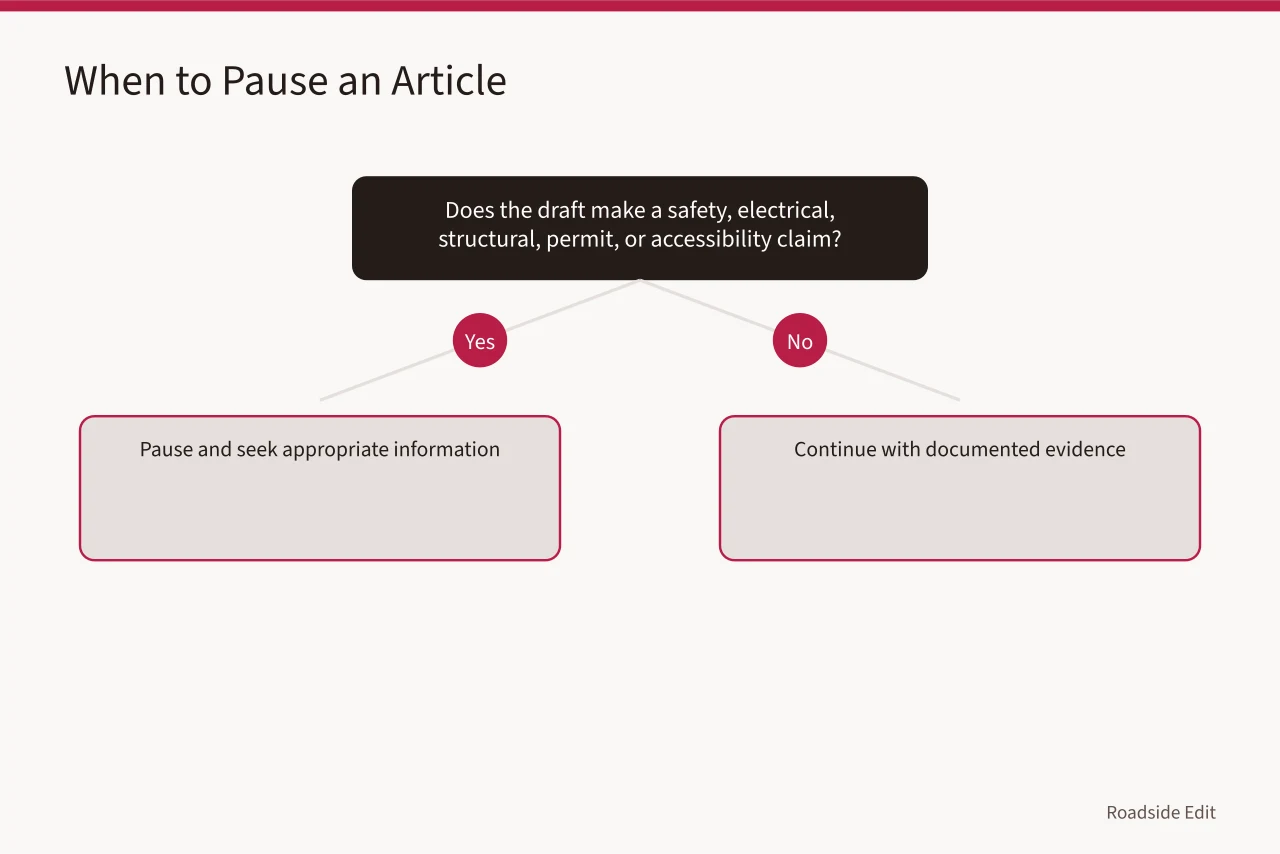
Pause if the sign's historical colors or original form lack record support, or if a photo could expose private access details or a provider has not approved their role description. A responsible article can state a question is unresolved.
The pause is not a failure. It is how a content project avoids turning a compelling visual subject into risky or inaccurate advice.
Prepare for future updates
At publication, save source register, captions, disclosed relationships, and exact wording of provider or owner statements. Also save original images, final article copy, and review date.
If new evidence appears later, add it with source date and explain how it changes the record. Do not silently replace prior claims, especially if it alters a statement about history, scope, funding, or results.
An accurate neon-sign article does not need to promise a transformation. It can make the sign's evidence, significance, and unanswered questions visible enough for readers, local partners, and specialists to have a better conversation.
Write captions that clarify rather than sell
Captions often turn a cautious article promotional. Keep them factual and specific: subject, approximate location when appropriate, source, date, and what the image visibly records.
Add a limitation when the image is illustrative, undated, edited, or cannot show the whole sign or its operating condition. Avoid "fully restored" unless the project record and date actually support that statement.
For an older image, a useful caption can say: "Historic photograph showing the sign's lettering and apparent color scheme; exact date and original materials remain unconfirmed."
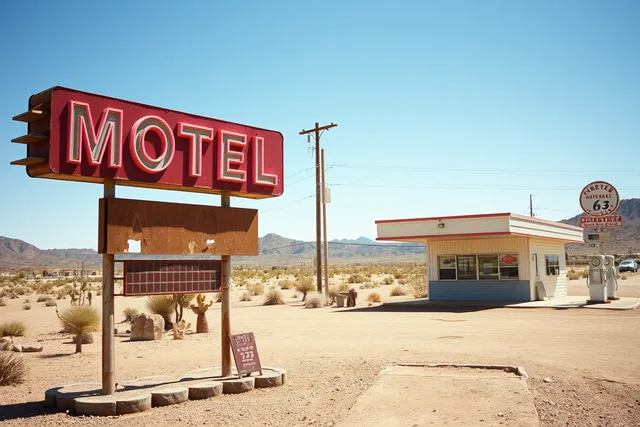
For a current context image, it can say: "Photograph of the roadside setting, used to illustrate the discussion and not to document the sign's condition." These distinctions simplify later corrections and respect the audience's need for clear evidence.
Common questions
Can a general guide tell me how to repair a neon sign?
No. Neon and electrical work can involve serious hazards and site-specific requirements. Use qualified professionals and the applicable local process.
What can a historic photo prove?
It can document visible appearance at a stated time. It may not establish original colors, ownership, current condition, or an appropriate restoration scope without supporting evidence.
How should a restoration sponsor be disclosed?
State the relationship plainly and keep it separate from any factual claim about the sign, project quality, or outcome.